
14 Listeriosis Cases – Confederation Examines Link to Cheese Recalls
One person has died. Genetic and epidemiological investigations point to a possible connection; how many cases are actually involved remains unresolved.
The Federal Office of Public Health (BAG) is observing a cluster of listeriosis cases in Switzerland. Fourteen cases were recorded between late August and late October 2026. Most of those affected needed hospital treatment, and one person died. The BAG gave this information to the Keystone-SDA news agency on Friday, 13 November.
The cases are also being investigated in connection with recalled soft cheeses. According to the BAG, genetic analyses and epidemiological enquiries provide indications of a possible link. How many cases can be attributed to the recall cannot yet be determined with certainty. Further investigations are pending. The 14 cases must therefore not be described across the board as consequences of these cheese products.
The warning was extended twice
The Federal Food Safety and Veterinary Office (BLV) issued its first warning about affected soft cheeses on 27 October. On 29 October and on 3 November it extended the warning to additional products from Eberle Spezialitäten AG and Strähl Käse AG. The investigations showed that an older batch was also contaminated. Both companies took the affected goods off sale and initiated recalls.
For households, the date of purchase is therefore not the only relevant factor. The warning of 3 November also covers products whose printed best-before date falls only after the current case numbers became known. Anyone who still has such cheese in the fridge must compare the details on the packaging with the official product list.
For Strähl, this list names Bonaparte cream soft cheese in the Classic, Chilli and Pepper varieties, as well as cream soft cheese Nature, Chili and green pepper. It also includes sandwich brie slices of 600 grams, sandwich brie logs of around 1.3 kilograms, and AdR Ostschweiz Brie. For these listed products, all best-before and use-by dates up to and including 20 December 2026 apply. The list contains no additional restriction to individual batch numbers.
For Eberle, the list includes filled mini bries and half filled brie cakes in various flavours, among other items. The addition also covers garden herb and apricot fillings as well as whole unfilled wheels. Here the BLV names individual best-before dates between 28 October and 30 November, not a continuous period. Comparing only the earliest and the latest date is therefore not enough. The full list, including product photos, is in the source block.
Severe courses mainly affect risk groups
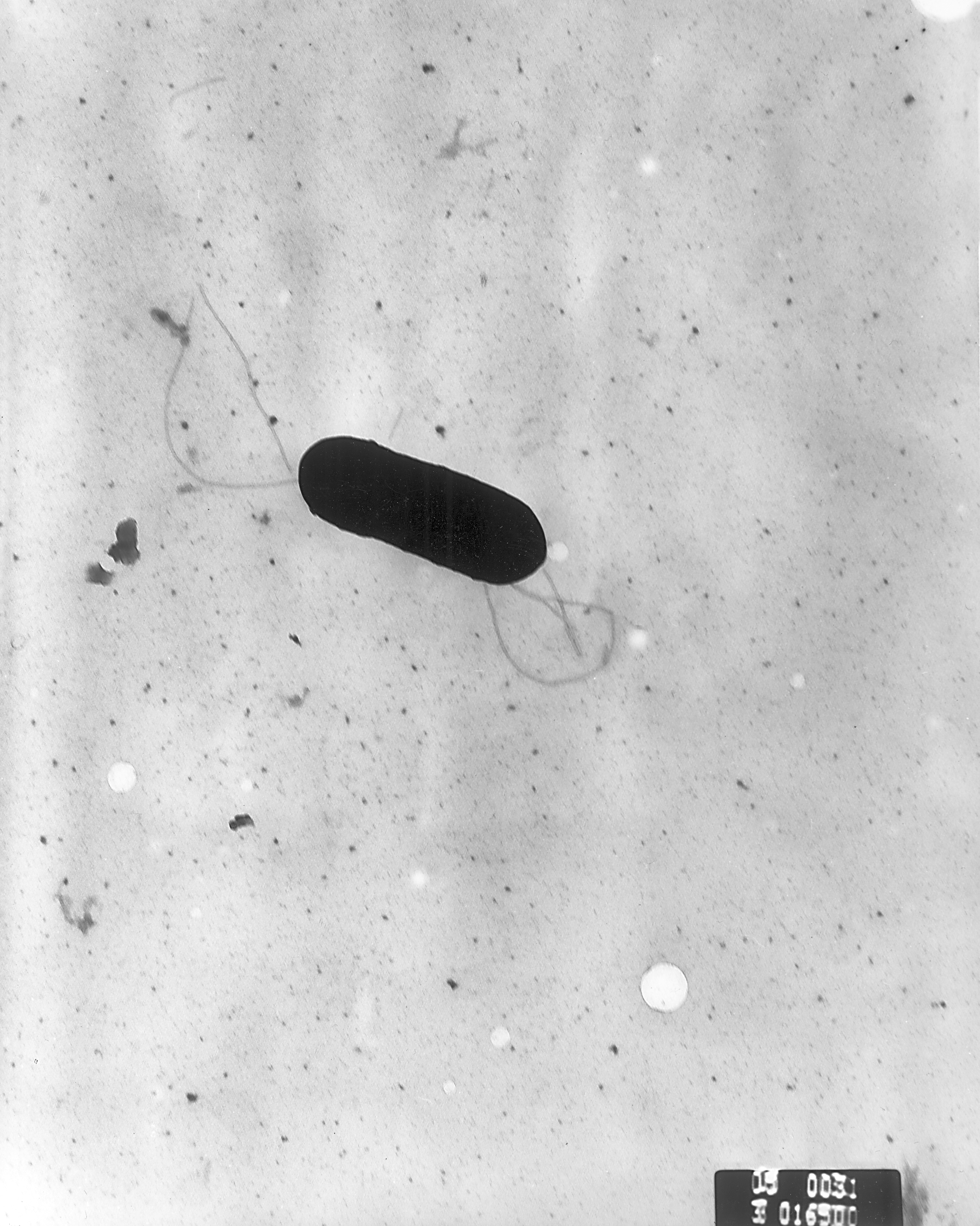
Listeriosis is caused by the bacterium Listeria monocytogenes. In healthy people an infection often goes unnoticed or is mild, for example with fever, flu-like symptoms or diarrhoea. People with a weakened immune system, by contrast, can become seriously ill. The BAG names meningitis, blood poisoning and pneumonia in particular.
Pregnant women, newborns and older people are also at particular risk. While an expectant mother notices only minor symptoms or none at all, the infection can cause a miscarriage or a severe illness in the child. The BAG therefore generally advises risk groups to avoid soft cheese and cheese made from unpasteurised milk.
Transmission occurs mainly through food. Besides dairy products, meat and sausage products, fish and pre-cut salads, for example, can also be sources of infection. A listeriosis diagnosis on its own therefore does not yet point to a specific manufacturer or a specific cheese.
Laboratory findings and case notifications are merged
In the search for outbreaks, the National Centre for Enteropathogenic Bacteria and Listeria at the University of Zurich supports the BAG. It confirms and examines bacterial isolates, including listeria, in more detail. At the BAG, the epidemiological data are merged with the case notifications in order to detect clusters and combat them.
For the current case, the BAG has published no further details about the people affected, citing the protection of personal privacy. The figure reported on Friday refers to the period up to the end of October; it is not a final tally for November.
For goods already purchased, the BLV's recommendation applies regardless of the outcome of these investigations: do not consume the products covered by the warning. Anyone who has eaten them and is unsure should, on the federal office's advice, consult a doctor.
Sources
- BLV: public warning of 3 November 2026
- BLV: full product list with best-before dates
- BAG: listeriosis, transmission and risk groups
- University of Zurich: tasks of the NENT national reference centre
- Keystone-SDA via Nau: BAG information of 13 November 2026
- Lead image: Guy Waterval, Brie2, Wikimedia Commons
- Image licence: CC BY-SA 4.0
- Article image: CDC / Elizabeth White, PHIL 2287, public domain
- Image file: Listeria monocytogenes, Wikimedia Commons


