Section
Switzerland
Live blog · archive

410 heat deaths in summer 2025: older people most affected
In Ticino the heat-related death rate in 2025 was six times as high as in eastern Switzerland. Behind the federal statistics is not a count of death certificates but a model calculation.

OPEC+ keeps December targets; Swiss oil supply tight
OPEC+ is holding back on higher output targets. Why the decision delivers neither a fixed heating oil price nor a supply guarantee for the whole winter.

Germany misses gas storage target; Swiss rely on reserves abroad
German storage facilities are filled less than planned ahead of winter. For Swiss supply, though, import routes, contractually secured volumes and demand also count.

Iran threatens retaliation without geographic limits
Tehran's military leadership sharpens its warnings to the US and Israel. On the same day, the foreign minister describes a diplomatic overture from Washington as a positive step.

Gotthard Pass Stays Open by Day for Now, Closed at Night
The federal government is keeping the Gotthard Pass open during the day until 5 November for now. Anyone wanting to use the route must factor in the night-time hours and a possible earlier winter closure.

WhatsApp vote scam: two tricks – and two ways back
An alleged competition vote can lead to account takeover. What matters is whether a registration code leaked or a foreign device was linked.

Social welfare 2025: why the new map is no savings league table
The new social assistance map shows municipalities, not a cantonal scorecard. What colours, circle sizes and the modernised survey actually say.
Social assistance 2025: minors have the highest rate
Children stand out in the social assistance statistics. What the rate means, and why the agreed child supplement has to be assessed separately.
BFS data: Health costs rose faster than gross premiums
New BFS figures show costs, premiums and subsidies separately. The comparison makes the burden visible, but it is no performance record for individual insurers.
Social welfare and education: what 53.8 percent really shows
Two bars, two data years: how to read the education statistics and which routes adults can take to a recognised qualification.

CCC warning: what Swiss pension funds must watch in private credit
CCC denotes weak credit quality, private credit a form of financing. Why this distinction matters for Swiss retirement assets.

Cracks on iPhone Duo: What rights Swiss buyers have
Initial display cracks are documented; their frequency and cause have not been conclusively clarified. How Swiss buyers can secure their claims.

Boelo: 138 km/h on the Säntis is no benchmark for the lowlands
A summit gust, wind in a residential neighbourhood and a precautionary closure each say something different. What the official measurements for Boelo actually show.

Ebola confirmed in Geneva – husband isolated in Zurich as contact
What Geneva and the USZ confirm about the couple's admission, how Ebola is transmitted, and why isolation is not the same as a second diagnosis.
FSO wage comparison: marriage and children explain little
What the wage figures by marital status and parenthood say – and why median, mean and adjusted difference must not be mixed up.

Watch exports rise – but China remains a weak market
Swiss watch exports grew by 11.7 percent while China weakened. Why share prices, shipments and shop sales tell different stories.
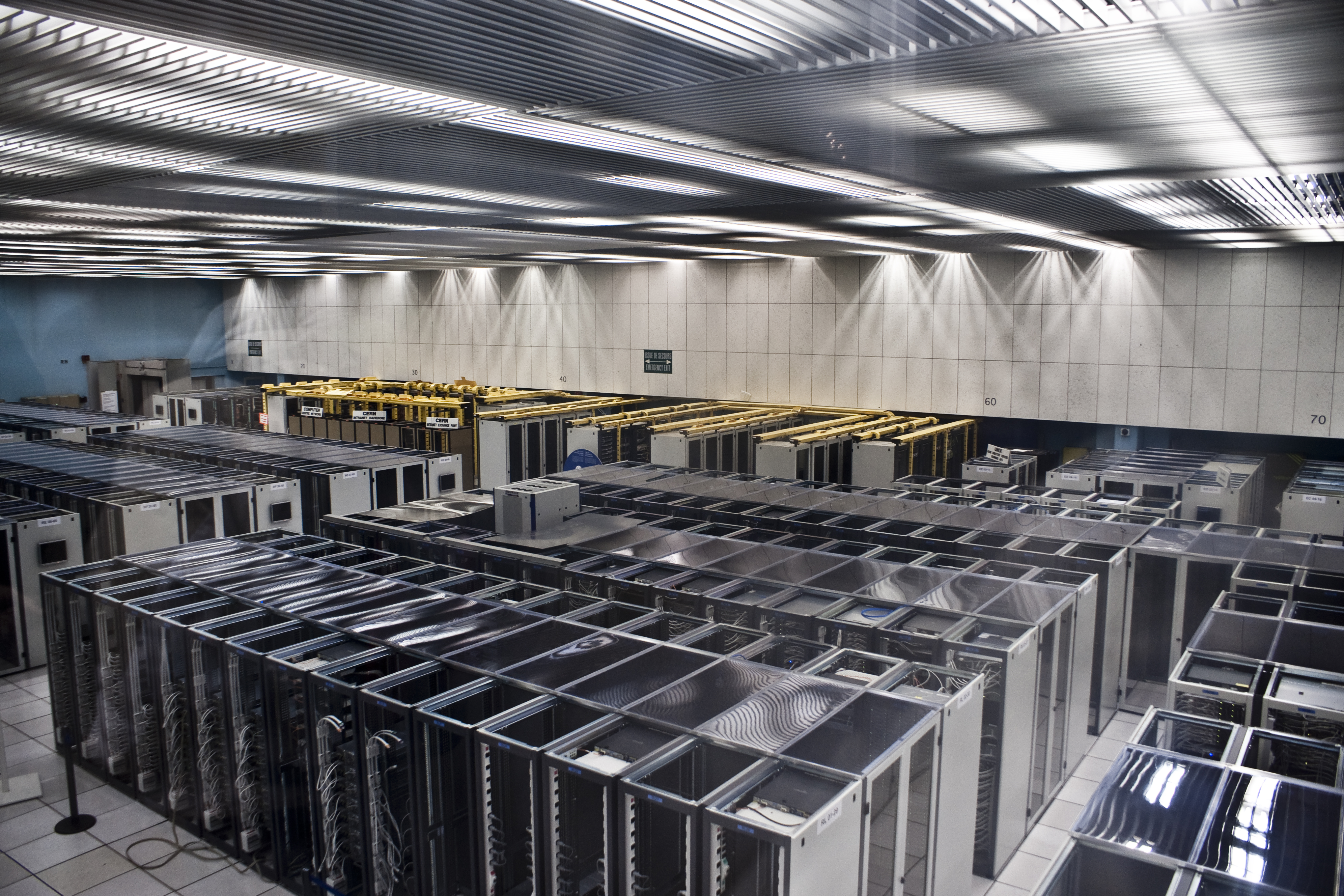
Data centres: Schaffhausen tightens water and climate rules
Data centres bring digital infrastructure and new resource conflicts. What Schaffhausen has decided and what Swiss host municipalities need to clarify early.

Gold below $4,000: what Swiss trade data shows – and what it doesn't
Gold is losing value. Swiss export figures and global fund holdings help put the move in context – but they offer no proof about who was selling on the day.

Clock change scrapped: the paths countries chose
Some states have given up the seasonal change. But exceptions and differing permanent times make simple country lists unreliable.
Cyberattack on PK Softech: system test data also affected
The attack on PK Softech affects more than ongoing client relationships: Zurich data was held by the provider for system tests. A total count of stolen personal records remains open.

13th AHV pension: why more per year can mean less per month
The 13th AHV pension can trigger a switch from the survivors' pension to the old-age pension. An official example shows that the annual gain can be small even though the monthly amount falls noticeably.
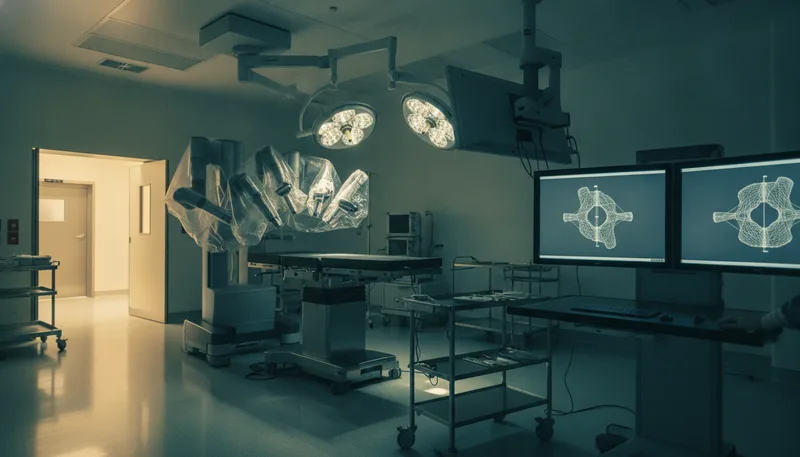
Robot surgery grows fast – statistics leave quality questions open
Robot-assisted surgery is spreading quickly in Swiss hospitals. What the new statistics show about case numbers, costs and length of stay – and what they explicitly do not support.
Iran's guarantee demand is no breakthrough – Switzerland still matters
Iran signals willingness to talk under conditions. But there is no date, no US commitment and no new agreement. Why Switzerland's protecting power role still carries weight.
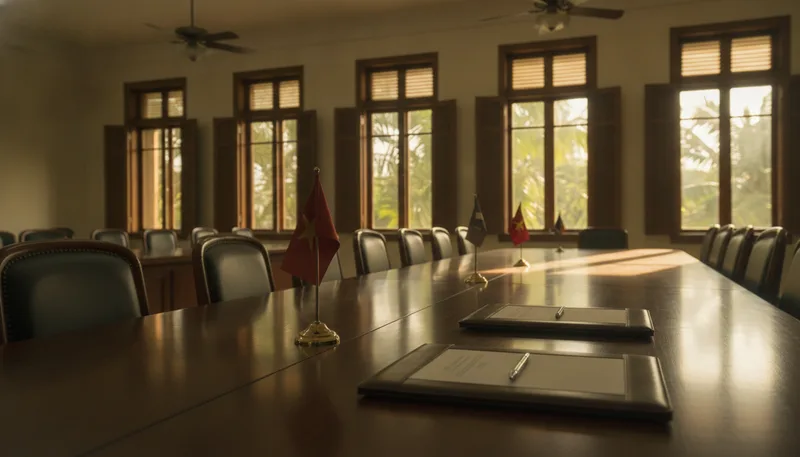
Parmelin in Hanoi: EFTA Signature Is Only the Beginning
Guy Parmelin's visit to Hanoi is dominated by trade and innovation. Why the announced EFTA signature matters for Swiss companies – and what it does not yet change.

Tardoc under pressure: what invoice criticism reveals
A French-speaking Swiss investigation reports higher invoices and extra appointments since Tardoc was introduced. That deserves close scrutiny. But single cases cannot support a nationwide cost explosion or a blanket fraud allegation.
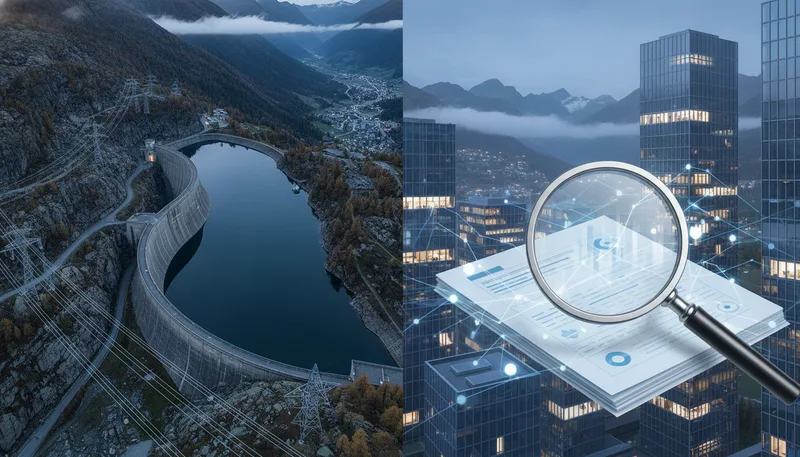
Third Risk Report: Where Switzerland Remains Vulnerable
Switzerland assesses its exposure to money laundering and terrorist financing as stable. The new federal report is still no free pass: it names organised crime, corruption and cross-border financial flows as central challenges.
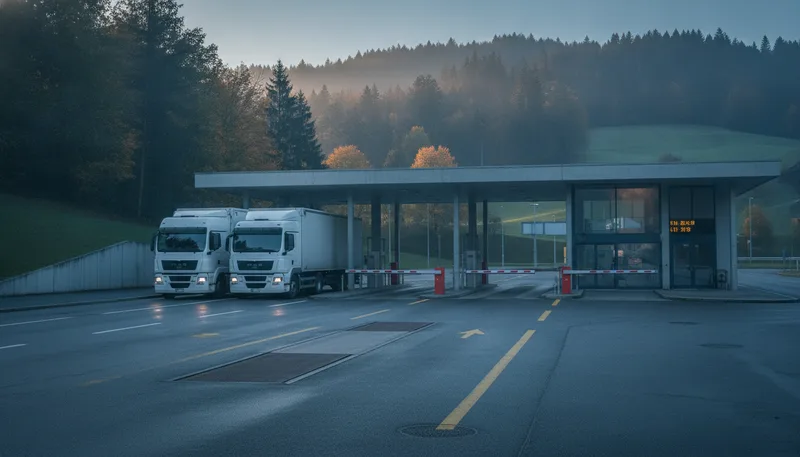
Customs goes digital – but nothing changes at the border yet
After the legal revision comes the detail work: until late January, cantons, associations and other circles can comment on the ordinance package for the Federal Office for Customs and Border Security. For travellers and firms, one point matters most: the rules do not enter into force right now.
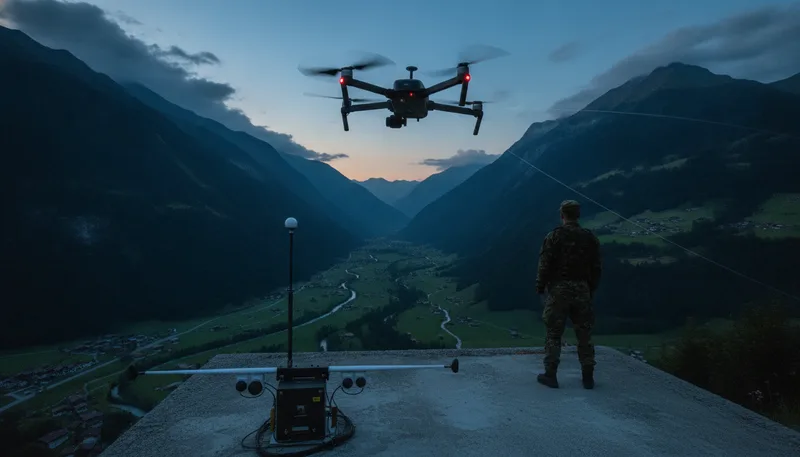
Counter-drone defence: what Switzerland is actually building now
Unidentified flying objects cause unease, but calling Switzerland entirely unprotected goes too far. First systems are in service; the decisive build-up of technology, training and responsibilities still lies ahead.
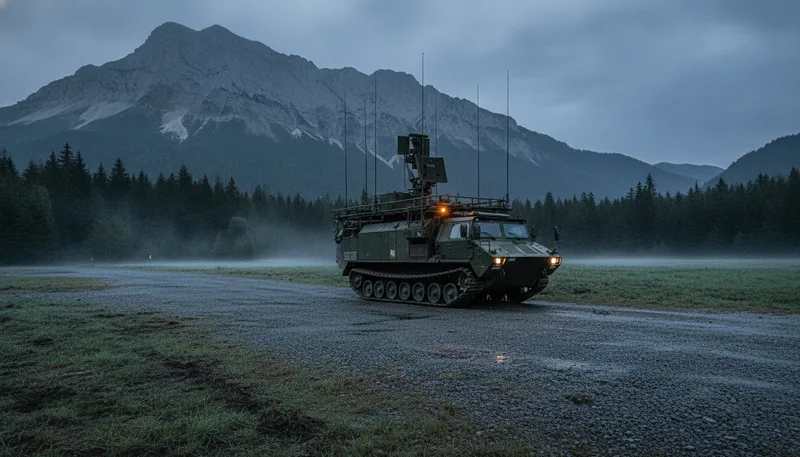
Switzerland joins European Knifefish programme
Switzerland may join the "Knifefish" MoU, a European procurement framework for systems that detect, influence or jam electromagnetic signals. The step opens the door to cooperation but commits Bern to no individual purchase.
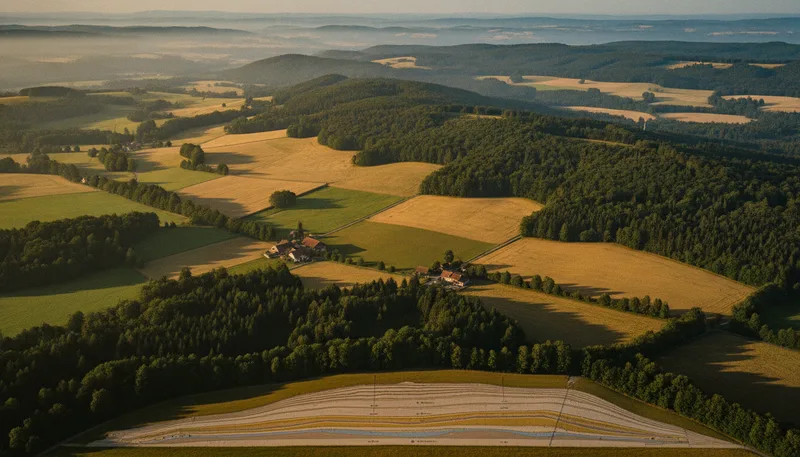
Nördlich Lägern: What Is Decided – and What Is Not
Nördlich Lägern is earmarked as the site for a Swiss deep geological repository. Before a repository could be built, however, technical reviews, political decisions and possible democratic votes lie ahead.
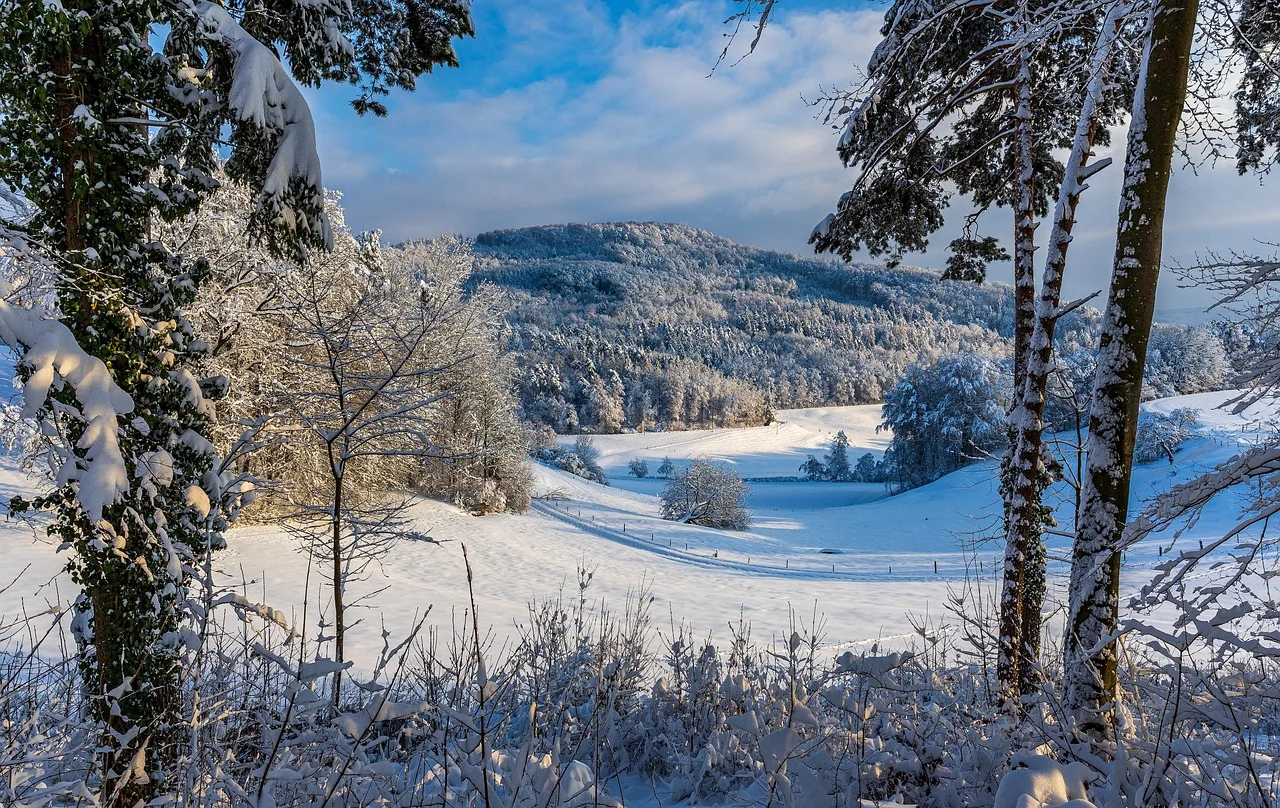
Radioactive waste: Why groundwork is not a repository yet
Anyone discussing a Swiss deep geological repository must know more than the site. The disposal of radioactive waste rests on several legal, technical and financial foundations.

Crime and nationality: what the numbers say – and what they don't
Swiss police statistics show differences by nationality. They matter for the security debate – but they are unsuitable for blanket judgments about people or origin.
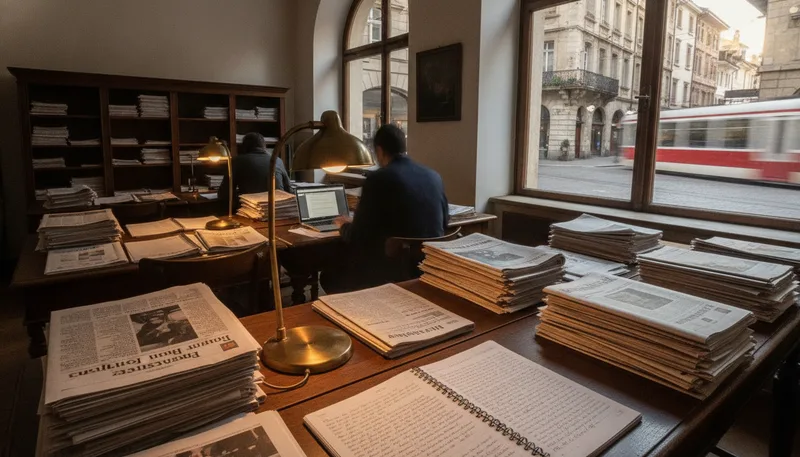
Free media: the democratic infrastructure behind the daily news
Free media strengthen democracies not through agreement but through investigation, criticism and traceable information. In Switzerland they are better off than in many places – but not beyond economic pressure.

How Bern handles Russia, Hamas and Iran under three legal regimes
Switzerland adopts, issues and reviews sanctions on different legal bases. A comparison of the three dossiers shows what neutrality requires in law – and what it does not.
Iraq sanctions: Why a list update still affects Swiss firms
The notice about the Iraq ordinance sounds like a new sanctions package. In fact, it concerns an update to a narrow UN regime. For banks and companies, it is still more than a formality.
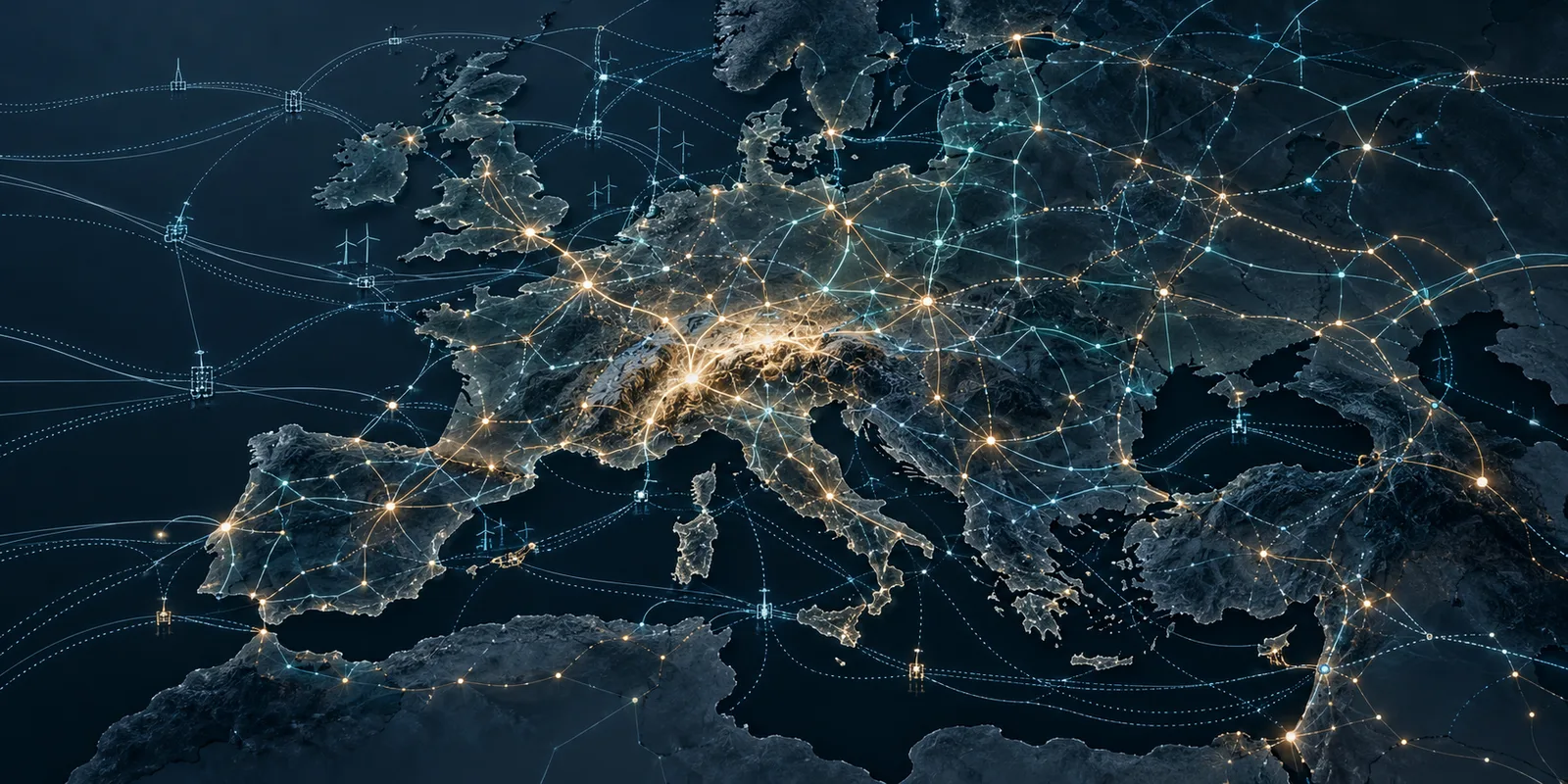
Europe under Pressure: What Switzerland Can Learn
Security, the economy and crime are not developing in the same way across Europe. What has changed – and what lessons Switzerland can draw from it.

AI in everyday life: How human rights protect against algorithms
AI can speed up decisions – in applications, loans or services. The legal core is not an abstract ban on technology, but the question of whether people can effectively assert their rights against automated decisions.
When Housing Becomes a Social Question: What Switzerland Can Learn from Spain's Eviction Debate
Spain is extending protection for particularly vulnerable tenants. Switzerland has protection against termination and hardship rules, but no automatic right to replacement housing. That can be decisive, especially in old age.
The franc is more than euro and dollar: Reading the SNB indices
The SNB has updated its exchange rate indices. Why the trade-weighted franc says more about Switzerland than a single euro rate – and where its explanatory power ends.

UBS job cuts: what is officially documented – and what remains open
UBS reports fewer internal and external employees than at the end of 2025. That does not automatically show how many people were dismissed or where jobs disappear. A look at the official figures separates established facts from speculation.

Labour market in September: a monthly fall is no all-clear yet
In September the number of registered unemployed fell by 1,064 people. At the same time, the number of jobseekers rose. The SECO figures therefore show not a simple easing, but a mixed picture.

SDDS Plus: Why an SNB dataset is more than statistics
The IMF's SDDS Plus standard makes Swiss economic and financial data more comparable. It is not a monetary policy signal, but it matters for public scrutiny.
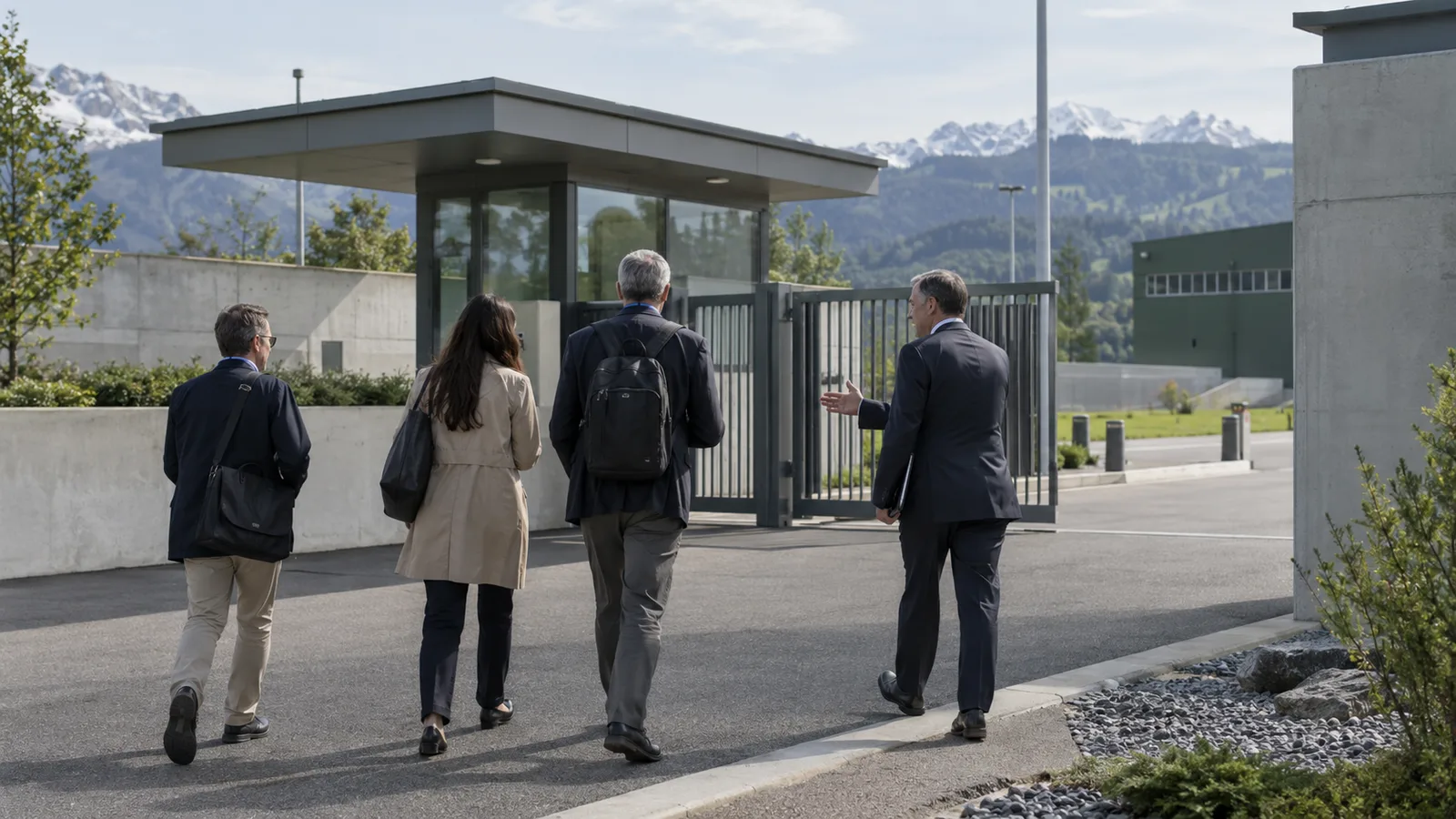
Twelve Hours of Transparency: The OSCE Review and Its Limits
Switzerland has allowed an OSCE military review. What matters is not the assessment of individual operations but a principle gaining weight in Europe: states disclose, within limits, which forces they keep and how they are organised.
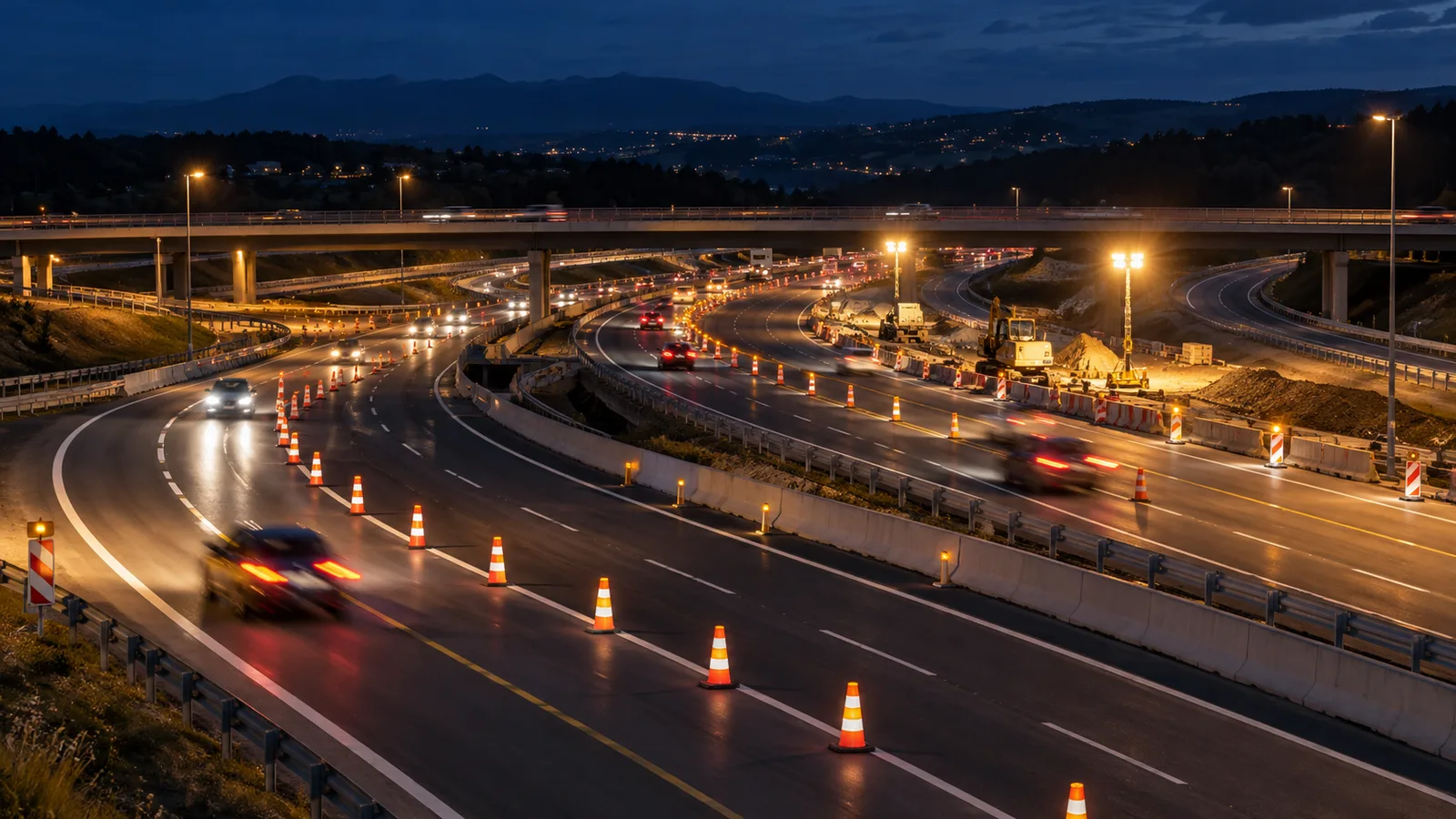
A1 at Luterbach: four nights show how the upgrade grips daily life
Four overnight ramp closures at the Luterbach junction look small. But they show how demanding it is to upgrade one of Switzerland's busiest motorway axes while traffic keeps running.

Two POWs, One Dispute: Why Seoul and Kyiv Must Repair Trust
The dispute between South Korea and Ukraine centres on two North Korean prisoners of war. What is documented about the arrangement, what remains open, and why Switzerland is watching.
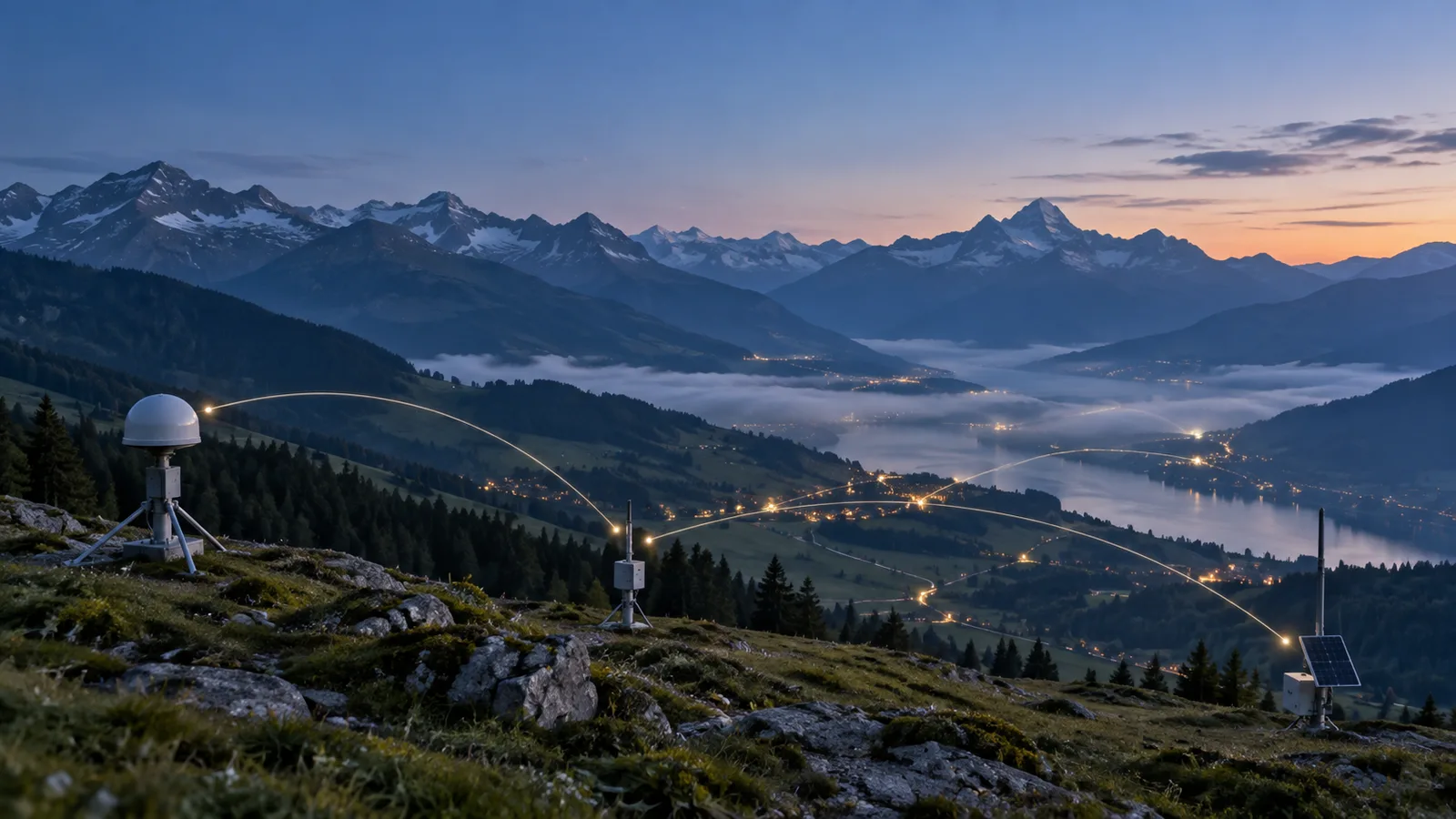
AI, Drones and Cyber: Why Switzerland Must Rework Its Procurement
AI, drones and cyberattacks are changing the security situation. For Switzerland, however, the central challenge lies in procurement: systems must become available faster, connect technically and remain maintainable over the long term.
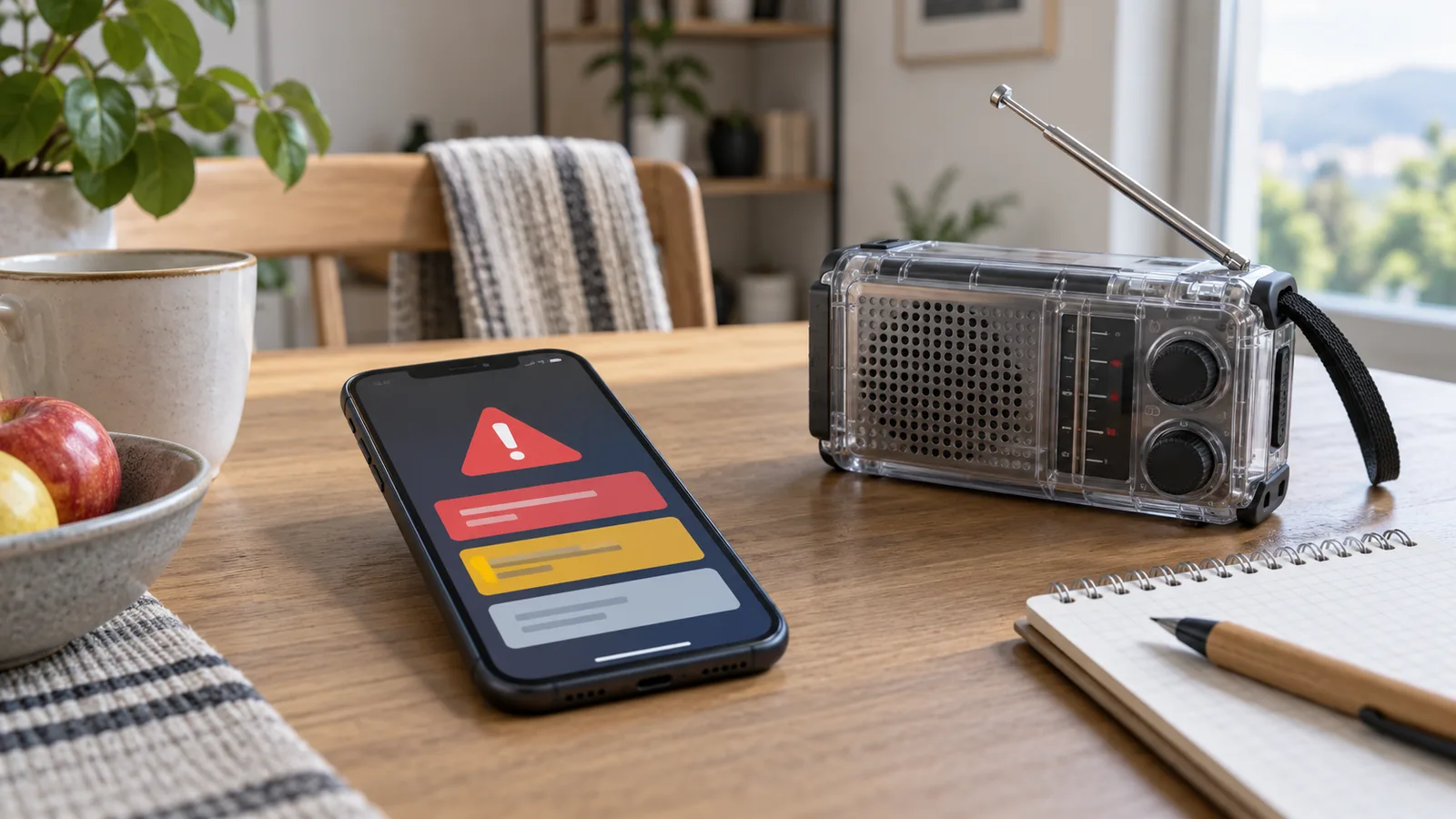
Alertswiss in Easy Language: the decisive test comes in an emergency
Alertswiss now offers messages in Easy Language. That is more than a translation: in a crisis, information must be fast, correct and enable people to act.
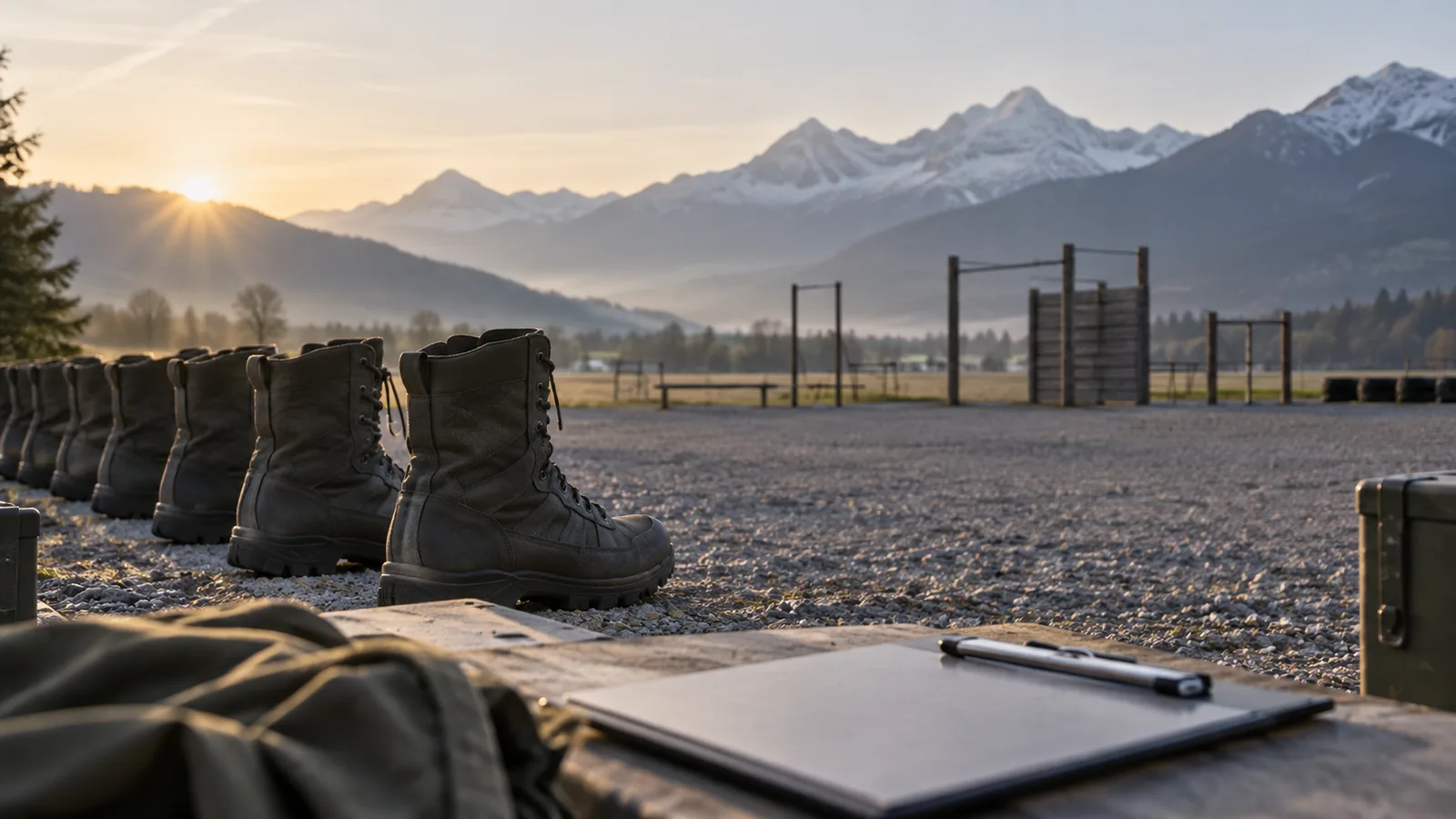
Army strength 2030: Why 147,017 assigned is no all-clear
The Swiss Armed Forces counted 147,017 assigned personnel on 1 March 2026. Why that is no all-clear for 2030 – and what the forecast means for Switzerland.