Fewer contrails: flight trial shows value of targeted detours
Air France rerouted 130 North Atlantic flights. The calculated climate impact fell – but the balance depends on weather, route and additional fuel.
Air France tested over the North Atlantic whether the climate impact of its flights can be reduced with different routes. Between February and April 2026, almost 4,300 commercial flights were examined in the European research project CICONIA. For 245 of them, those involved calculated alternatives; on 130, the aircraft actually changed their path. The airline published the results in September; the European air traffic research programme SESAR presented them on 2 October.
For the rerouted flights, the calculated climate impact was 36 percent lower overall. The share attributable to contrails fell by 57 percent. Across all flights examined, however, the reduction in contrail impact was 8 percent. These figures describe calculated climate effects, not a measured change in the Earth's temperature.
A few flights cause a large share of the impact
Within the trial, 25 percent of the contrail climate impact came from just 3 percent of flights. This concentration explains why targeted interventions are of interest: airlines would not have to plan a detour for every flight in order to achieve a measurable contribution. Which connections qualify, however, depends on the atmospheric conditions at the time. A blanket new standard route cannot be derived from the results.
Behind an aircraft, water vapour freezes onto small particles, including soot. In sufficiently cold and humid air, long-lasting contrails can form and spread into thin clouds. According to the Federal Office of Civil Aviation, these clouds have a warming effect on average. Their effect varies with the time of day, the weather and the flight path. Not every visible trail has the same climate balance.
That distinguishes the short-lived effects from carbon dioxide, which remains in the atmosphere over very long periods. Besides contrails, nitrogen oxides and other emissions also influence the climate. Anyone who knows only a flight's fuel consumption therefore cannot reliably read off its total climate impact.
Flight planning needs precise weather data
According to FOCA, a change of flight altitude by just a few hundred metres can already help to avoid sensitive layers of air. This requires precise information on temperature and humidity at high altitude. An area that is poorly forecast can reduce the benefit of an avoidance manoeuvre. If an aircraft leaves its most fuel-efficient altitude, additional CO2 also arises from the higher fuel consumption.
In scheduled operations, traffic management comes on top. A crew cannot change its route on the basis of a climate calculation alone; air traffic control must approve the adjustment. SESAR explicitly names safety and efficiency as conditions for broader application. The trial thus provides experience from real flights, but not yet proof that the same percentage figures can be transferred to the entire international route network.
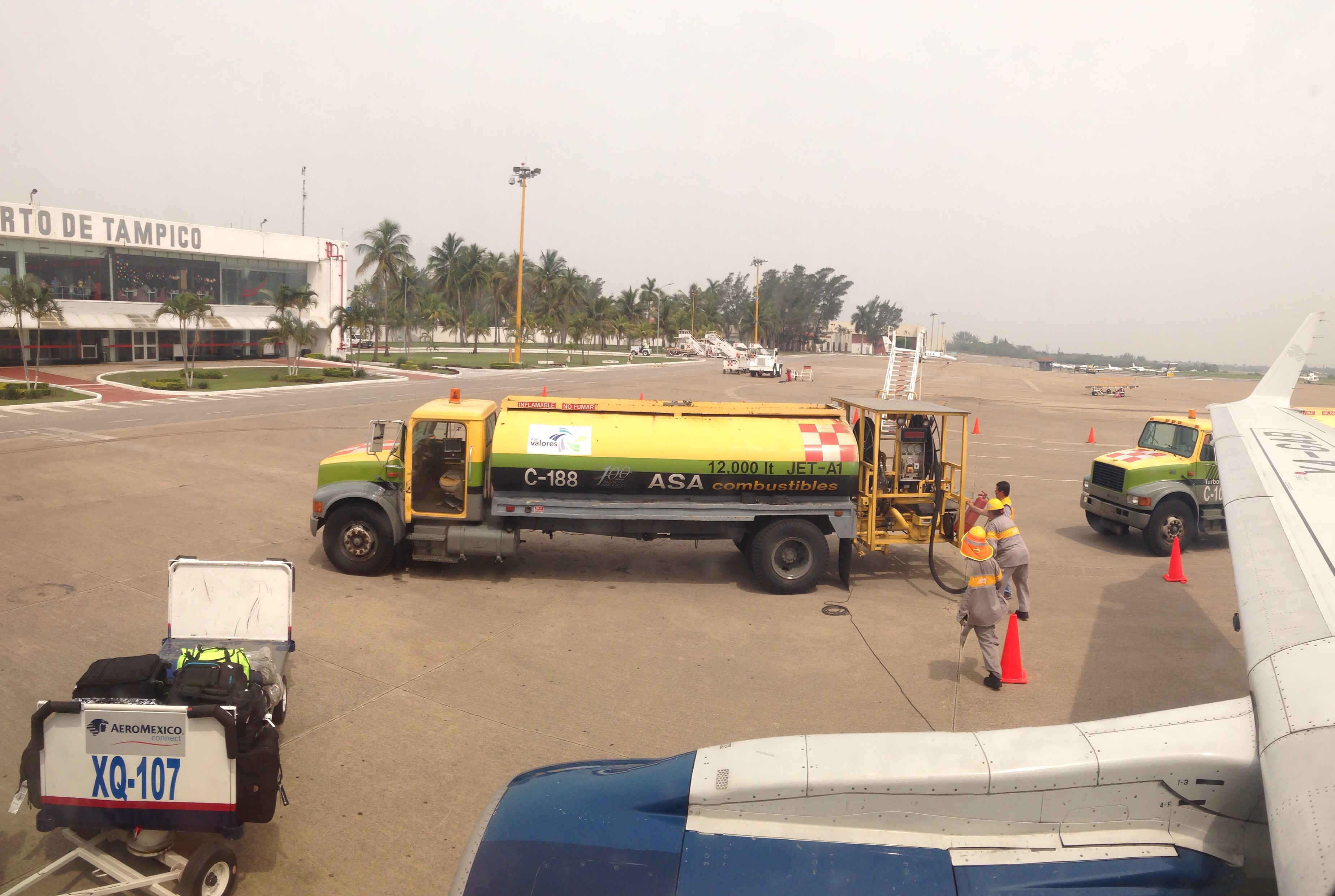
Switzerland also targets fuel
For suppliers of aviation fuel at Zurich and Geneva airports, gradually rising minimum shares of sustainable aviation fuels, known as SAF, apply. Switzerland has adopted the European ReFuelEU rules within the framework of the air transport agreement. This also includes a requirement against carrying large quantities of fuel bought elsewhere: on an annual average, airlines must take on at least 90 percent of the fuel they need locally.
SAF are meant to replace fossil carbon. FOCA cites fuels made from waste such as used cooking oil, for example. Such carbon-containing fuels also release CO2 when burned. Their benefit rests on the origin of the carbon and on the production chain. Less soot can additionally influence contrail formation; fuel and flight planning interact here.
Tighter requirements apply to climate advertising
A surcharge for an offset project, by contrast, initially changes nothing about the flight itself. According to the Federal Office for the Environment, voluntary offsetting is not regulated by the state; consumer protection requirements nonetheless apply. In its enforcement guidance of March 2026, FOEN explains that product-related climate claims may not be based on offsetting. The blanket label «climate neutral», it says, cannot currently be substantiated in factual terms.
A verifiable flight offer would therefore have to state which service the customer is paying for: a share of alternative fuels, a specific operational saving, or the financing of a project outside aviation. Such information allows offers to be compared without turning individual improvements into a flight with no climate impact.
Sources
- SESAR: results of the CICONIA flight trials
- Air France: test programme and results of 17 September 2026
- FOCA: CO2 and non-CO2 emissions
- FOCA: SAF quotas
- FOCA: sustainable fuels
- FOEN: enforcement guidance on climate-related claims
- FOEN: voluntary offsetting
- Cover image: 5snake5, contrails
- Cover image licence: CC0 1.0
- Article image: ProtoplasmaKid, refuelling in Tampico
- Article image licence: CC BY 4.0