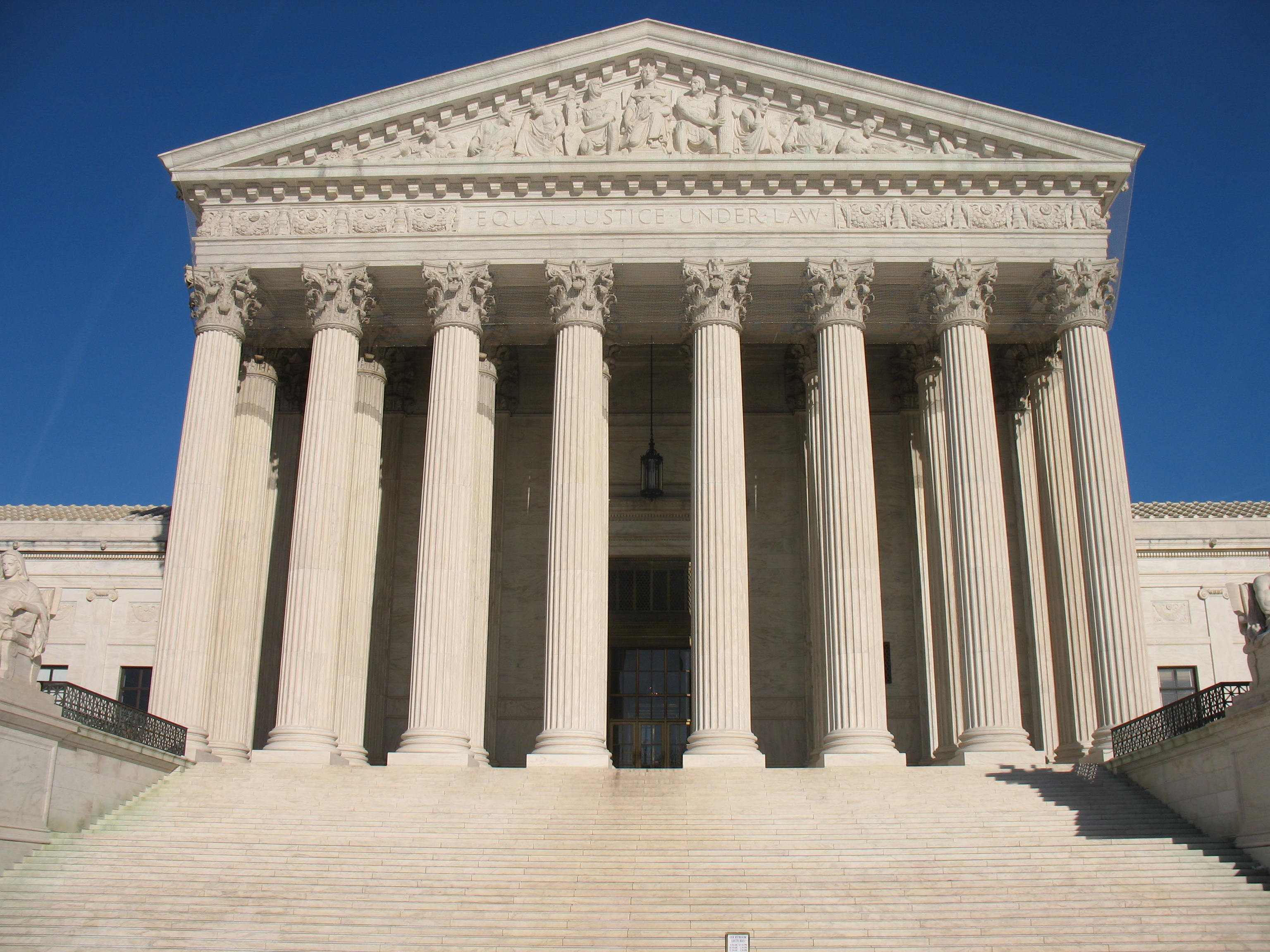
What a Democratic congressional majority would make harder for Trump
According to Reuters, the White House is preparing for a possible loss of power in Congress. Legislation, personnel decisions and investigations each follow different rules.
According to Reuters, Donald Trump's administration is preparing for a possible loss of the Republican congressional majorities. White House staff have reportedly been examining for months which projects the president could pursue without new legislation. These include immigration rules and tariffs. At the same time, government lawyers are preparing for congressional investigations.
Whether this scenario materialises is up to voters on Tuesday, 3 November 2026. All 435 seats in the House of Representatives and 35 Senate seats, including special elections, are up for vote. A new majority would be a gain in power for the opposition. But it would not automatically strip the president of his office or of his existing powers.
A single chamber is enough to stop new laws
For a federal law, the House of Representatives and the Senate must pass the same text. It then goes to the president. This is how the House of Representatives describes the legislative process. If the Democrats control only one chamber in future, they can halt there projects for which Trump needs a new legal basis.
The blocking mechanism also works the other way round. A Democratic bill does not pass Congress simply because it wins a majority in the House. It also needs the Senate's approval. And Trump could reject a passed text with his veto.
Overriding that veto would require two-thirds majorities in both chambers. A narrow Democratic majority would not be enough. The political difference between opposing a project and enacting a lasting new rule oneself is correspondingly large.
In the Senate, a simple majority is not the only thing that counts
For many legislative projects, another hurdle comes on top. With a filibuster, senators can extend debate and delay or prevent a vote. Under the usual rule, ending debate requires three-fifths of the senators duly chosen and sworn, which with full attendance means 60 votes. This threshold must be distinguished from the subsequent vote on the substance.
A party with a narrow majority would therefore have to win votes from the other side on many bills. However, the rules do not apply uniformly to every procedure. In particular, the figure of 60 votes is not a general quorum for all decisions of the Senate.
For major appointments, the Senate is responsible. The Constitution requires its consent, for example for federal judges and numerous senior government posts. A Democratic Senate majority could therefore halt such candidacies. A majority in the House alone would not have that power. A possible seat on the Supreme Court would not be filled by the House either.

Removal from office, too, would have higher hurdles than an ordinary majority decision. The House of Representatives can resolve on an impeachment, the constitutional charge. The Senate decides on conviction; two-thirds of the members present would be required there. Even a majority in both chambers would thus not mean that the Democrats could remove the president from office. Congress does not replace the government as in a parliamentary vote of no confidence.
Trump looks for room to manoeuvre within existing powers
Reuters bases its report on a White House staff member and two people familiar with the preparations. Among the options under review are new tariffs on critical minerals and wind turbines. Budget director Russell Vought is also examining which projects could be implemented with funds already approved by Congress. These are described plans, not new import duties that have already been announced.
The Constitution ties disbursements from the treasury to statutory appropriations. A government therefore cannot simply replace a missing appropriation with a presidential order. How far existing authorisations reach can in turn become the subject of court proceedings.
Congressional oversight could create additional pressure. Reuters reports that White House lawyers have already advised officials on handling subpoenas and document requests. Spokeswoman Lauren Bis, speaking to the agency, disputed the expectation of Republican losses and pointed to the work of the administration.
An election result does not change the composition of Congress overnight. Under the 20th Amendment, the new terms of representatives and senators begin on 3 January. Only then would a Democratic election success become new parliamentary power for 2027.
Sources
- National Archives: US Constitution, legislation, budgetary and appointment powers
- National Archives: 20th Amendment, start of terms of office
- US House of Representatives: bills presented to the president
- Cornell University, Legal Information Institute: cloture and exceptions
- US Postal Service: election date and seats up for election in 2026
- Reuters: White House preparations, 1 November 2026
- Lead image: USCapitol, F. Malotaux, edited by Zarex
- Lead image licence: CC BY-SA 2.5
- Article image: White House 04, Ad Meskens
- Article image licence: CC BY-SA 3.0