US Midterms: How Court Rulings Are Changing the Rules
Districts, party spending and postal voting: before 3 November the Supreme Court intervenes deeply in the terms of the vote. Not every ruling helps the Republicans.
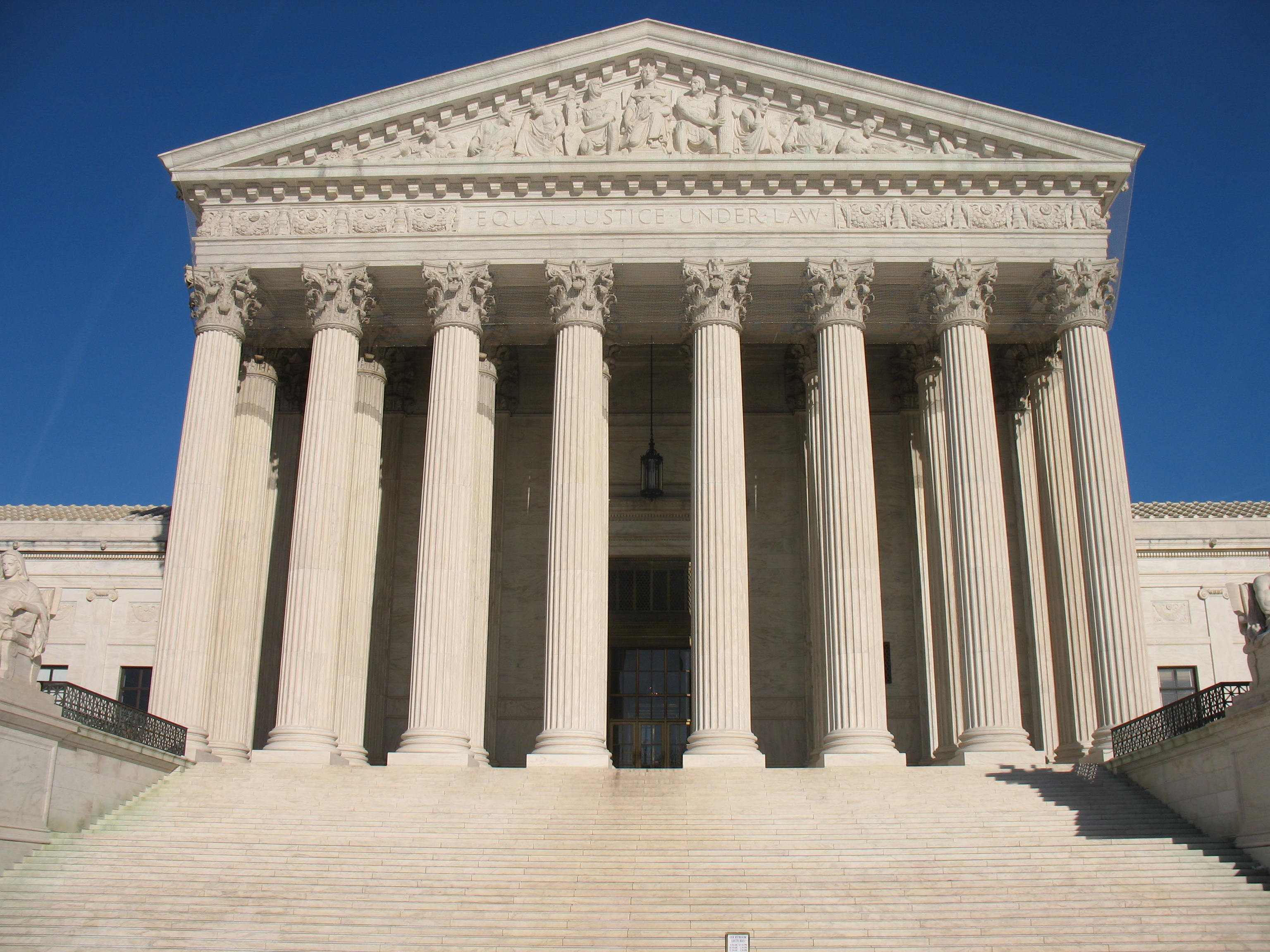
When the United States elects its Congress on 3 November 2026, the legal conditions in key areas differ from those at the start of the year. The Supreme Court has ruled on district boundaries, party spending and postal voting. On 25 October CNN described how strongly the conservative majority has thereby shaped the framework of the midterms.
The original rulings, however, point in more than one partisan direction. Some judgments change substantive electoral law. Others provisionally govern which rules apply while a case is still pending. Anyone who equates the two overestimates individual orders and at the same time overlooks long-term shifts.
Districts: A narrower standard of protection
In Louisiana v. Callais the court ruled on 29 April by six votes to three that a new district map for Louisiana amounted to an unconstitutional racial gerrymander. The state had created an additional district with a Black population majority after another court had found a possible violation of the Voting Rights Act.
The majority interpreted Section 2 of that act more narrowly: for a legal violation it requires circumstances that strongly suggest intentional discrimination. Partisan goals and ethnicity must be kept apart in the evidence. The ruling does not abolish the Voting Rights Act entirely, but it raises the requirements for such lawsuits.
Justice Elena Kagan dissented, joined by Sonia Sotomayor and Ketanji Brown Jackson. Their dissenting opinion considers the consequences for the protection of political participation grave. That is legal criticism from within the court, not an additional ruling. Nor can any particular election result be derived from the boundary drawing alone: candidates, mobilisation and the actual votes remain decisive.
Parties may work more closely with candidates
On 30 June, in the case brought by the National Republican Senatorial Committee against the election regulator FEC, the Supreme Court declared the statutory limits on coordinated party expenditures unconstitutional. This refers to expenditures a party makes in coordination with its candidates. The majority saw in them an impermissible restriction of political communication.
This category must be distinguished from direct donations and independent expenditures by third parties. The ruling therefore does not mean that every campaign finance rule has fallen away. Politically, the new freedom may help parties channel money more precisely into contested races. How many votes an additional advertising campaign wins cannot be calculated from it.
A further order of 14 October concerns discounted television advertising rates. Here the court stayed a short decision deadline imposed on the communications regulator FCC. The procedural reasoning matters: the order is not to be equated with a final substantive confirmation of all the advertising discounts claimed.

The majority's reasoning and the minority's criticism also answer different questions of value. From the majority's perspective, more freedom for political communication may be constitutionally required; critics fear a stronger influence of large donors. This conflict of aims remains: legal permission alone proves neither balanced competitive conditions nor a measurable increase in democratic participation.
Postal voting and emergency relief follow different questions
The ruling in Watson v. Republican National Committee of 29 June argues against a blanket narrative in favour of the Republicans. The court held that federal law does not prevent Mississippi from accepting postal ballots postmarked on time for up to five business days after election day. This does not create a nationwide identical grace period: the respective permissible state rules remain decisive.
On 22 October, by contrast, the court stayed orders of a lower court concerning ID guidance in New Hampshire. It invoked the principle of not changing election rules by judicial order shortly before an election. Jackson disagreed: in her view the lower court had corrected misleading official information and had not changed the law.
The same protection against short-notice disruption applied in September in Missouri against an attempt to enforce a new district map. The court left the map already in use in place. The political benefit of such procedural rules therefore also depends on which state of affairs currently applies.
For readers in Switzerland the distinction is central: a permitted practice is no proof of its political neutrality, and a stayed order is not yet a final acquittal. Anyone who wants to assess disputes over votes and seats after election day must first ask which concrete ruling applies to which state and which proceeding.
Sources
- Supreme Court: Louisiana v. Callais, 29 April 2026
- Supreme Court: NRSC v. FEC, 30 June 2026
- Supreme Court: Watson v. RNC, 29 June 2026
- Supreme Court: FCC v. Brown, 14 October 2026
- Supreme Court: Scanlan v. Coalition for Open Democracy, revision of 23 October 2026
- Supreme Court: People Not Politicians v. Onder, 25 September 2026
- CNN / KESQ: overview of the election law rulings, 25 October 2026
- Lead image: Kjetil Ree, Wikimedia Commons
- Lead image licence: CC BY-SA 3.0
- Article image: Stchoop, Wikimedia Commons
- Article image licence: CC BY-SA 4.0