Section
Health

Single health insurer tops BAG mailbox savings ideas
The single health insurer leads the FOPH's collection of ideas. The new savings package contains no such systemic change – partly because of the selection rules at the round table.

410 heat deaths in summer 2025: older people most affected
In Ticino the heat-related death rate in 2025 was six times as high as in eastern Switzerland. Behind the federal statistics is not a count of death certificates but a model calculation.

Abortions in Obwalden: how the statistic is compiled
Obwalden uses the full version of the BFS notification form. Which data are recorded, who reports them and what cannot be inferred from them about individual women.

Protein products: more protein is not automatically healthier
What 'high protein' on a pack means, which intake serves as a reference, and why model calculations do not yet demonstrate harm.

BFS data: Health costs rose faster than gross premiums
New BFS figures show costs, premiums and subsidies separately. The comparison makes the burden visible, but it is no performance record for individual insurers.

Ebola confirmed in Geneva – husband isolated in Zurich as contact
What Geneva and the USZ confirm about the couple's admission, how Ebola is transmitted, and why isolation is not the same as a second diagnosis.

Stomach cancer: New survival data do not replace a Swiss approval
Phase III data on Sone-Ve show a survival benefit, but not all study goals were met. What this means for patients and for the Swiss authorities.

AI can spot unnecessary tests – whether it prevents them is open
In a test, language models rarely recommended unnecessary medicine. Why that does not yet translate into savings, and what Swiss patients and hospitals should know.

Melanoma vaccine: what the 42 percent risk reduction means
New data allow a closer assessment of the added benefit for the first time. What matters is the comparator treatment, the absolute differences and the still open survival question.
Moderna and Merck: What early melanoma data leave open
Ahead of the 24 October presentation, alleged data on the personalised cancer therapy is circulating. What is confirmed and which figures are decisive.

Health costs: the next round table must show results
Ahead of the fifth round table on cost containment, new decisions remain open. Why targets, billing data and the premiums already set must be looked at separately.

Robot surgery grows fast – statistics leave quality questions open
Robot-assisted surgery is spreading quickly in Swiss hospitals. What the new statistics show about case numbers, costs and length of stay – and what they explicitly do not support.
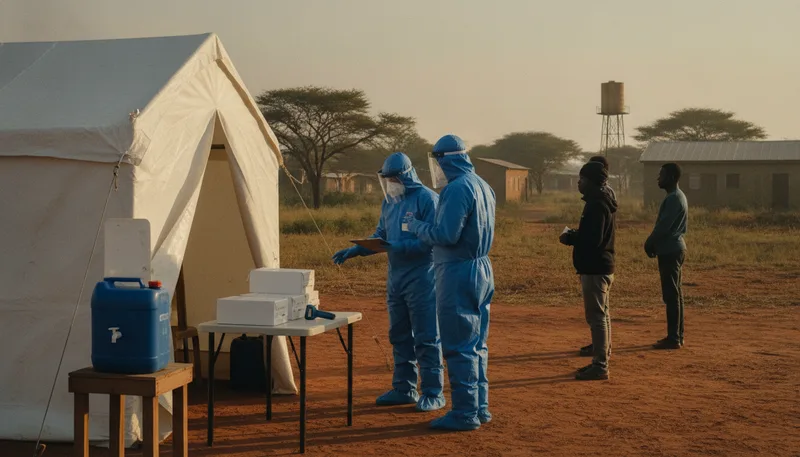
Third Ebola case in Kenya: what contact tracing must deliver now
According to the WHO, Kenya's third Ebola case was already in quarantine. Why that is an important signal – and why it does not yet justify an all-clear.
Reading measles figures: the cut-off date is part of the report
High measles counts need clear framing: what is confirmed, what is still being reported late, and why the cut-off date remains decisive for assessing the outbreak.

When vital medical devices run short: government plans reporting duty
Switzerland already has a reporting system for vital medicines. Now the federal government wants to extend monitoring to medical devices – for instance where a failure could directly endanger lives or cause serious health damage.

Capital gains should keep easing health premiums voluntarily
Capital returns can ease premiums in compulsory basic health insurance. The Federal Council wants to keep today's voluntary rule. What remains decisive is whether an insurer is financially sound enough after using them.
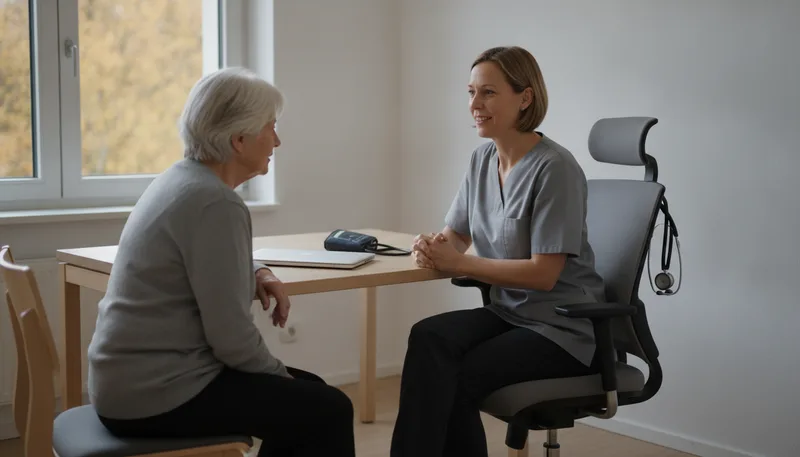
APNs against the doctor shortage: relief only with clear rules
The shortage of family doctors is increasing pressure on Switzerland's healthcare system. The federal government is also relying on Advanced Practice Nurses. Their potential is real – but simply shifting tasks will not solve the supply problem.
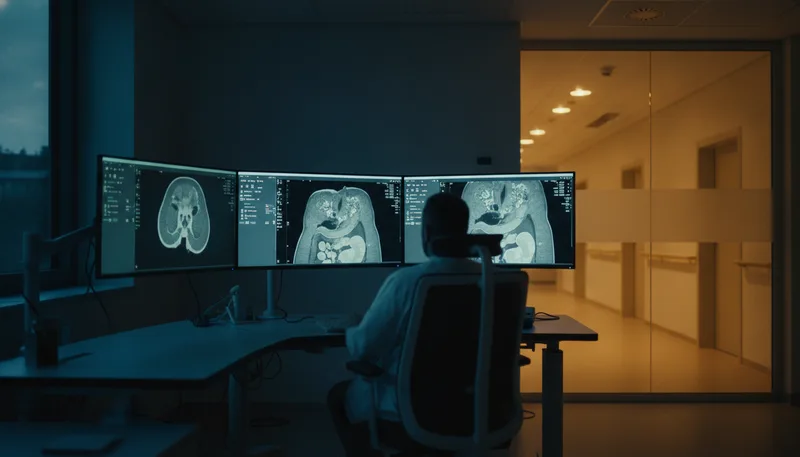
AI in healthcare: where responsibility stays with people
Artificial intelligence can support health professionals. Whether it benefits patients, however, is not decided by the algorithm alone, but by data quality, testing and clear responsibility.

GZO Spital Wetzikon: The restructuring enters a decisive phase
At GZO Spital Wetzikon, the coming weeks will determine whether the restructuring can continue. For the population in the Zürcher Oberland, what matters is that operations continue, yet the financial future of the listed hospital remains open.

Male life expectancy: the gains shift to old age
Men in Switzerland today reach roughly twice the age they did at the end of the 19th century. The statistics tell not only of longer lives, but of when those extra years were won.

Food law: What could change for consumers
A consultation is not a new law. Nevertheless, the federal proposal shows the direction consumer protection and harmonisation with the EU could take.

Suva invoice checks: rejections are no allegation of fraud
Suva had around 2.9 million invoices reviewed in 2025. 10.4 percent were returned for correction. That rate is cost control, not proof of systematic fraud.

Cancer before 50: Why causes matter more than quick answers
More cancer diagnoses among younger people call for a more precise debate: which trends are documented, what remains unresolved – and when should people in Switzerland seek medical advice?

Wrong Name in Surgical Report: Why Documentation Is Patient Safety
A wrong name in a surgical report does not automatically mean a wrong operation. Still, the incident shows why documentation, teamwork and internal controls in hospitals are relevant to safety.
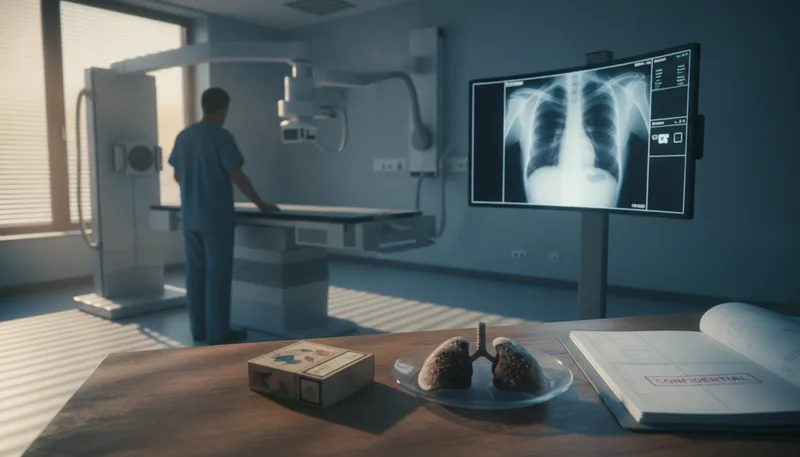
Lung cancer: why old smoking patterns still resonate
Lung cancer mortality in Switzerland mainly tells the story of earlier smoking habits. What the new analysis means for prevention, care and today's tobacco policy.

Temporary nursing is expensive – but the bill only starts there
Agency nursing brings flexibility, but also placement costs and less continuity. National figures do not allow a simple calculation. For premium payers, what matters is how hospitals plan their staffing needs over the long term.

PSA test is not a yes-no test: How Switzerland avoids overdiagnosis
Switzerland has no national PSA screening programme. That is not a retreat from prevention but the expression of a difficult trade-off: early detection can save lives, but it can also reveal tumours that would never have caused harm.

El Niño doesn't make travel riskier overall – preparation does
El Niño changes weather patterns around the world. For Swiss travellers this does not amount to a blanket health warning – but it does amount to a clear task: check weather, mosquito and hygiene risks for the specific place before every trip, and factor in your health after returning.
PFAS in Switzerland: Why a measurement alone is not a health verdict
PFAS can be detected in water, food and blood. What measured values really say – and what Swiss households can take from them.

Contact tracing for the next pandemic: linking cantons better
During Covid-19, the cantons organised contact tracing mainly with their own systems. For a future pandemic, the interplay is to become clearer, faster and technically compatible.

Medicine rebates: what the SFAO proves, and what stays open
Clear transparency and pass-through obligations apply to medicines. The SFAO shows why the supervisory authority still struggles to demonstrate that they are observed.
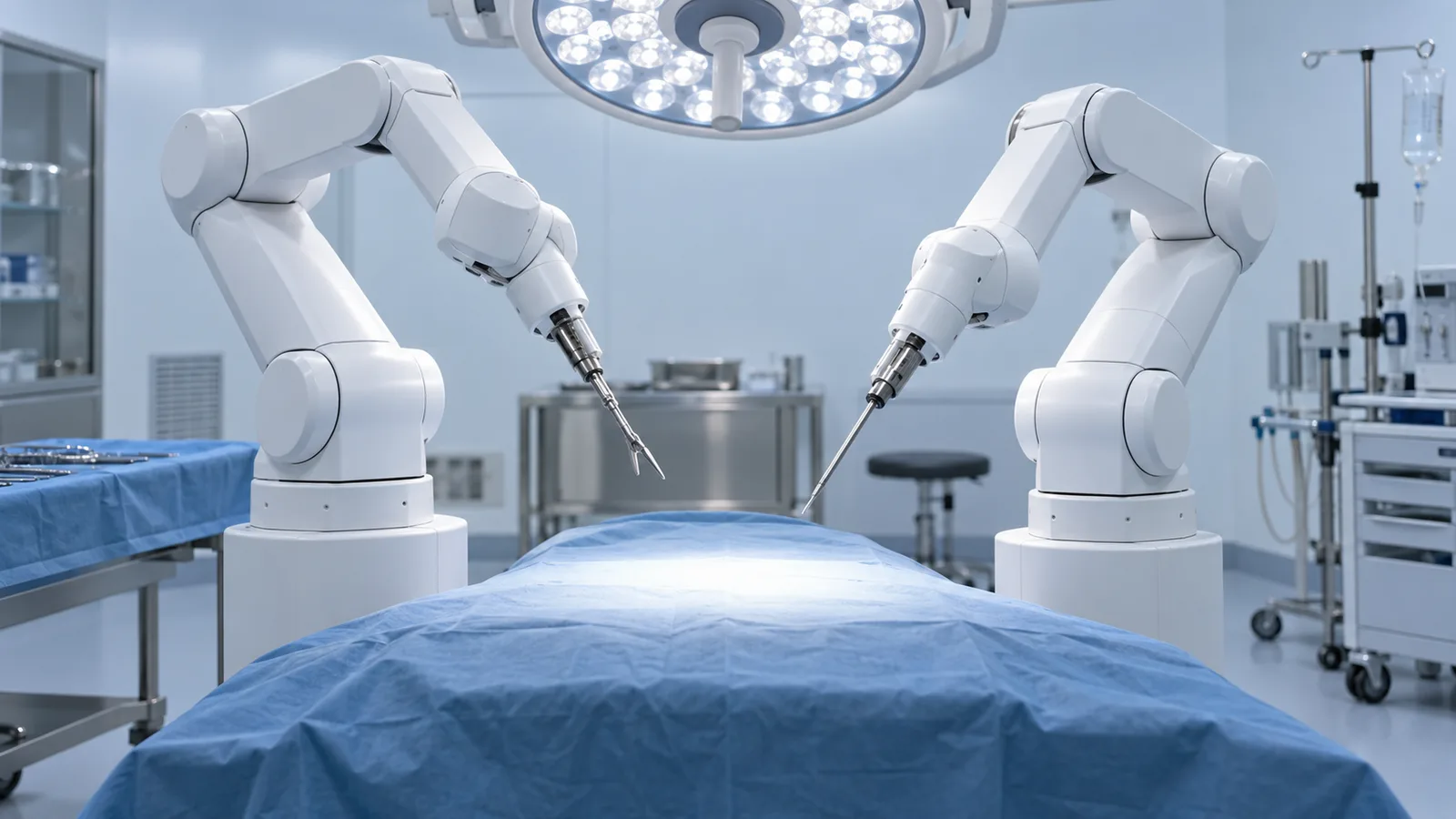
Robot Surgery Booms: Device Count Is Not the Decisive Question
Around a quarter more robot-assisted operations within a year: the technology is becoming more visible in Swiss hospital routine. But growth alone does not prove better treatment outcomes.
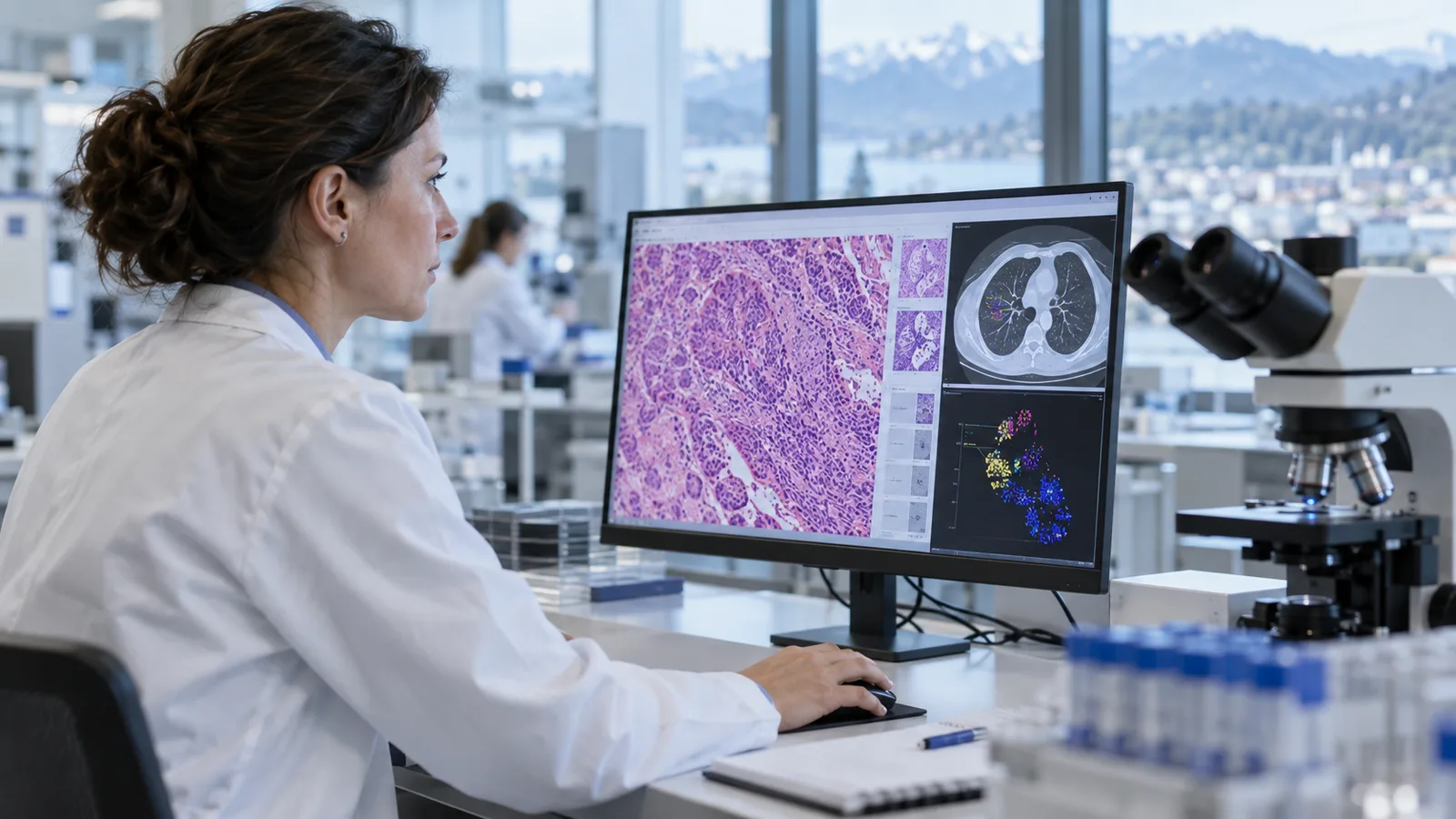
Lung cancer therapy: why first-line treatment keeps getting more precise
Before first-line therapy, tumour type, stage and relevant biomarkers are assessed together. Targeted drugs only work when the matching molecular feature is present. A broad range of tests helps little if tissue, time or access to specialised centres are lacking.

Respiratory viruses 2025/26: why no single pattern fits
The 2025/26 season began with an early influenza wave. Covid-19 and RSV followed different trajectories — a sign of why surveillance remains necessary throughout the season.

RIVASUR on the Specialities List: What the Listing Means for Patients
Rivasur was added to the Specialities List on 1 August 2026. The patch releases rivastigmine and is changed twice a week. Basic insurance pays for it only within the defined limitation and on medical prescription.

Viva Bärn: What the model premiums say about your own bill
Viva Bärn is meant to bundle integrated care from 2027. The published model premiums help with orientation – but they are no substitute for a personal premium comparison.

USZ and whistleblower: Why review does not end with a claim
According to reports, a whistleblower is demanding payment from the USZ. The dispute shows why individual claims and a hospital's independent review are two separate questions.

Alliance Care on the brink: Nursing loses a shared voice
Alliance Care says it is applying for bankruptcy and dissolution. For patients, care itself is not immediately at stake – but nursing's political bundling is.

Domestic violence: why minors must be counted separately
Police data make harmed minors visible. Relationship, age and the limits of the statistics are decisive for how those figures are read.

Salary cap for health insurers: what the reform actually changes
A pay ceiling at health insurers could sharpen the rules of basic insurance. A quick brake on premiums would not follow automatically.

Premiums to rise 5 percent in 2027: what the average hides
Premiums will rise by 5 percent on average in 2027. Why that is only the start of the calculation for your personal bill.
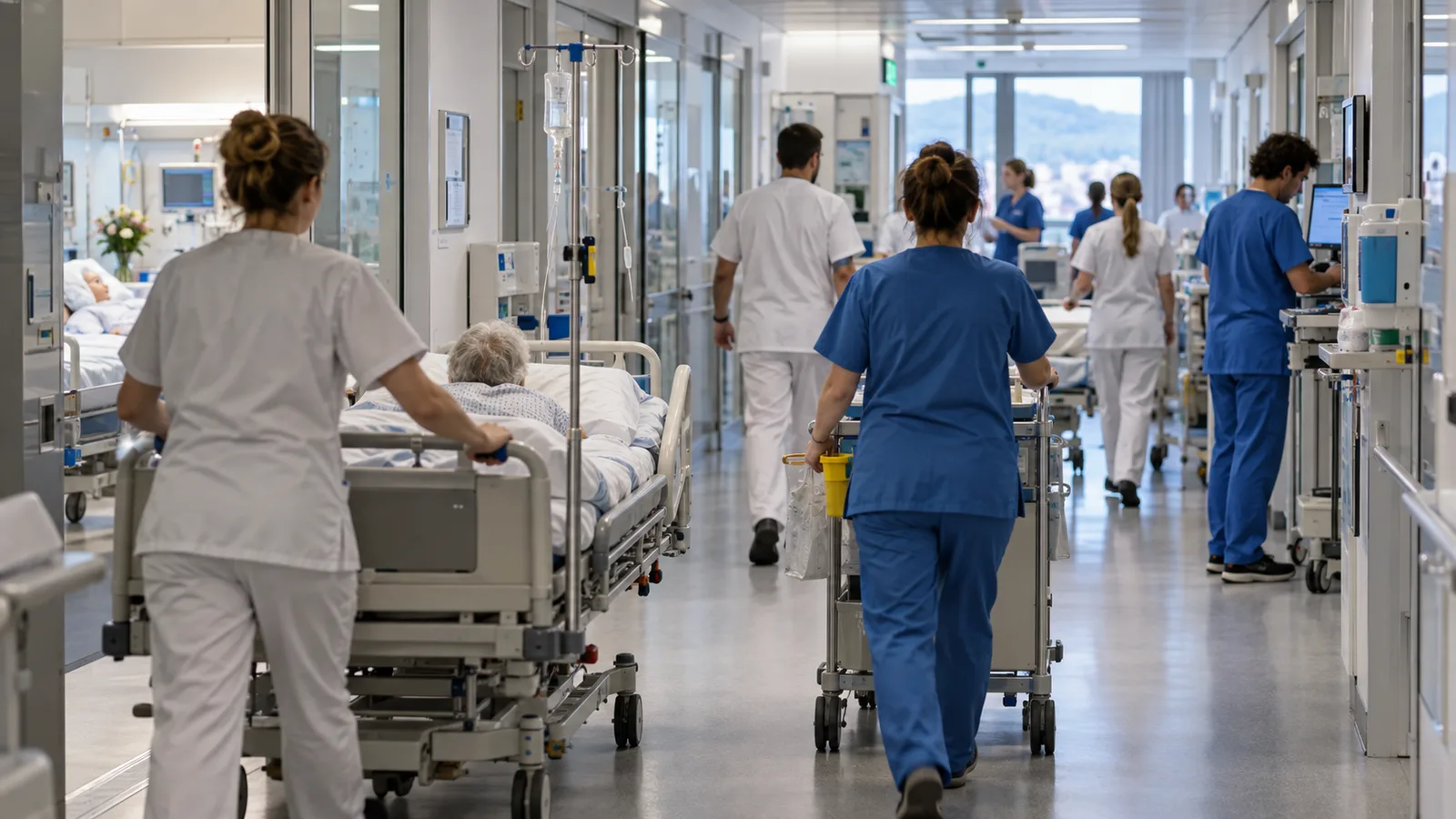
Zurich hospitals: more cases, lower unit costs, staffing open
Zurich acute hospitals report more treatments and lower adjusted case costs. What the figures show about efficiency — and what they leave open on staff workload.

Cartel allegation against FINMA: who sets hospital add-on prices
A joint industry model is meant to make hospital bills easier to understand. The dispute turns on whether FINMA thereby only protects the insured or indirectly intervenes too heavily in private tariffs.
Health insurance premiums 2027: What is known before the announcement
The median premium has risen by just over 25 percent since 2022. What is already settled before the official 2027 premium round – and how insured people should compare afterwards.

Counting calories: why a 100 kcal gap rarely ruins progress
How accurate calorie counting needs to be, where hidden energy lurks, why restaurant food is hard to estimate and why the scale can stall despite a deficit.

Autumn fatigue: what light changes – and when vitamin D helps
Why many people find it harder to get out of bed in autumn, how morning light helps, and for whom vitamin D supplements in Switzerland are actually recommended.

Pumpkin, mushrooms and chestnuts: healthy – but for very different reasons
Pumpkin is light, chestnuts supply starch and mushrooms bring little energy – yet sweeping health promises are misleading. A sober comparison.

17,000 Cancer Cases: What the Four-Canton Register Really Shows
Four cantons report around 17,000 new cancer cases. The absolute figure shows the care burden, but trends require age-adjusted rates and complete data.