Section
Science

Fewer contrails: flight trial shows value of targeted detours
Even a different flight altitude can prevent long-lasting contrails from forming. A European field test provides figures. In Switzerland, new requirements on fuels and climate claims apply.

Boelo: 138 km/h on the Säntis is no benchmark for the lowlands
A summit gust, wind in a residential neighbourhood and a precautionary closure each say something different. What the official measurements for Boelo actually show.

Stomach cancer: New survival data do not replace a Swiss approval
Phase III data on Sone-Ve show a survival benefit, but not all study goals were met. What this means for patients and for the Swiss authorities.

Yellowdish: New banana breeding is not yet a crop rescue
The new approach tackles a biological hurdle. Why fertility, disease resistance and a successful export banana require three separate proofs.

Melanoma vaccine: what the 42 percent risk reduction means
New data allow a closer assessment of the added benefit for the first time. What matters is the comparator treatment, the absolute differences and the still open survival question.

US fusion funding: $175 million for Helion's semiconductor plans
US money is meant to advance power electronics for fusion. What has actually been announced, and what different task the research at the Swiss TCV pursues.
Moderna and Merck: What early melanoma data leave open
Ahead of the 24 October presentation, alleged data on the personalised cancer therapy is circulating. What is confirmed and which figures are decisive.
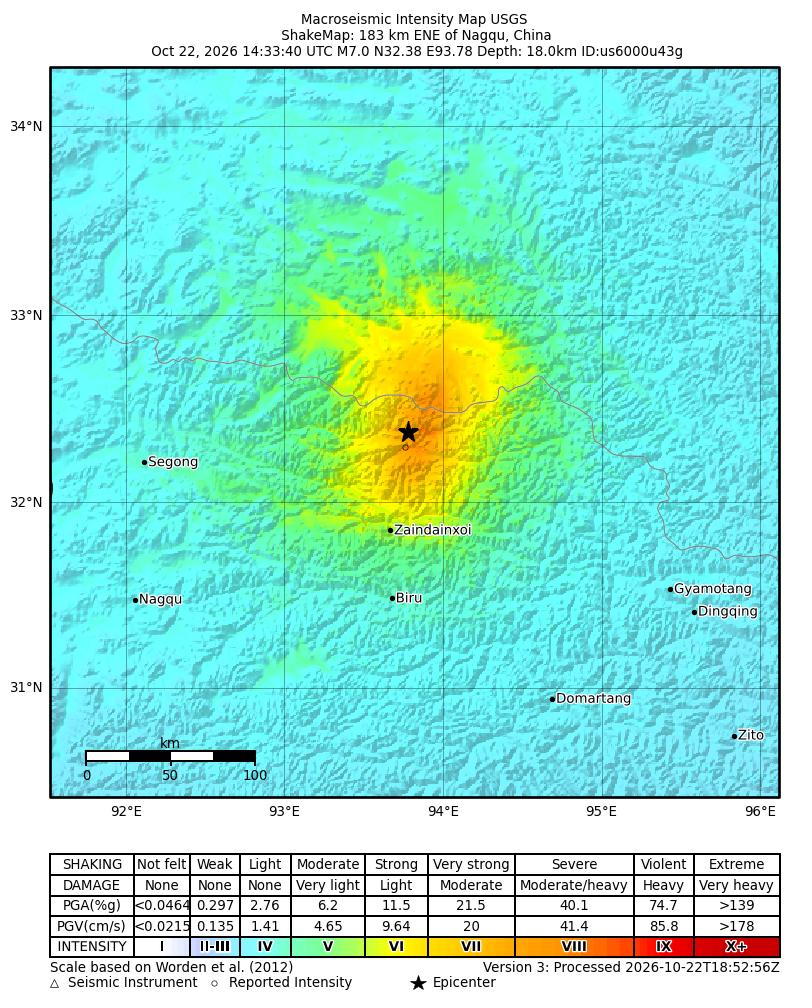
Magnitude 7 earthquake in Tibet: authorities report deaths
After the quake in northern Tibet, assessments and relief efforts are under way. What is confirmed, why early damage models are not a death toll and what travellers should consider.

NASA Awards Work on Power Conversion for SR-1 Freedom Reactor Probe
NASA is setting out the tasks on SR-1 Freedom's power module. What the contract shows, and why a nuclear fission reactor is not a radioisotope power source.

GESDA summit: anticipation becomes a tool of diplomacy
More than a thousand people discussed AI, neurotechnology and space at the GESDA summit. What matters is whether foresight turns into concrete, transparent policy.
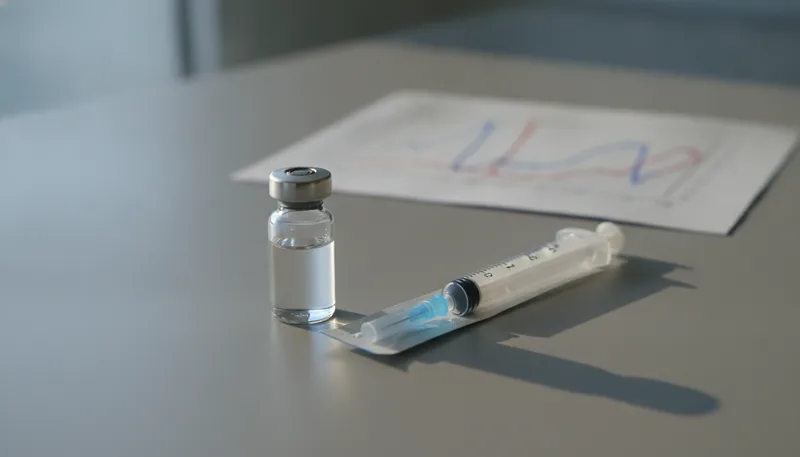
Reading measles figures: the cut-off date is part of the report
High measles counts need clear framing: what is confirmed, what is still being reported late, and why the cut-off date remains decisive for assessing the outbreak.

Universities of applied sciences to 2035: a forecast is not a plan
How scenarios for universities of applied sciences should be read – and why their range matters for education planning.

Animal testing: numbers fall, heaviest burdens rise
The new federal statistics contain two developments at once: fewer animals in experiments overall, but more animals in severely burdensome experiments. A single figure does not tell the whole story.
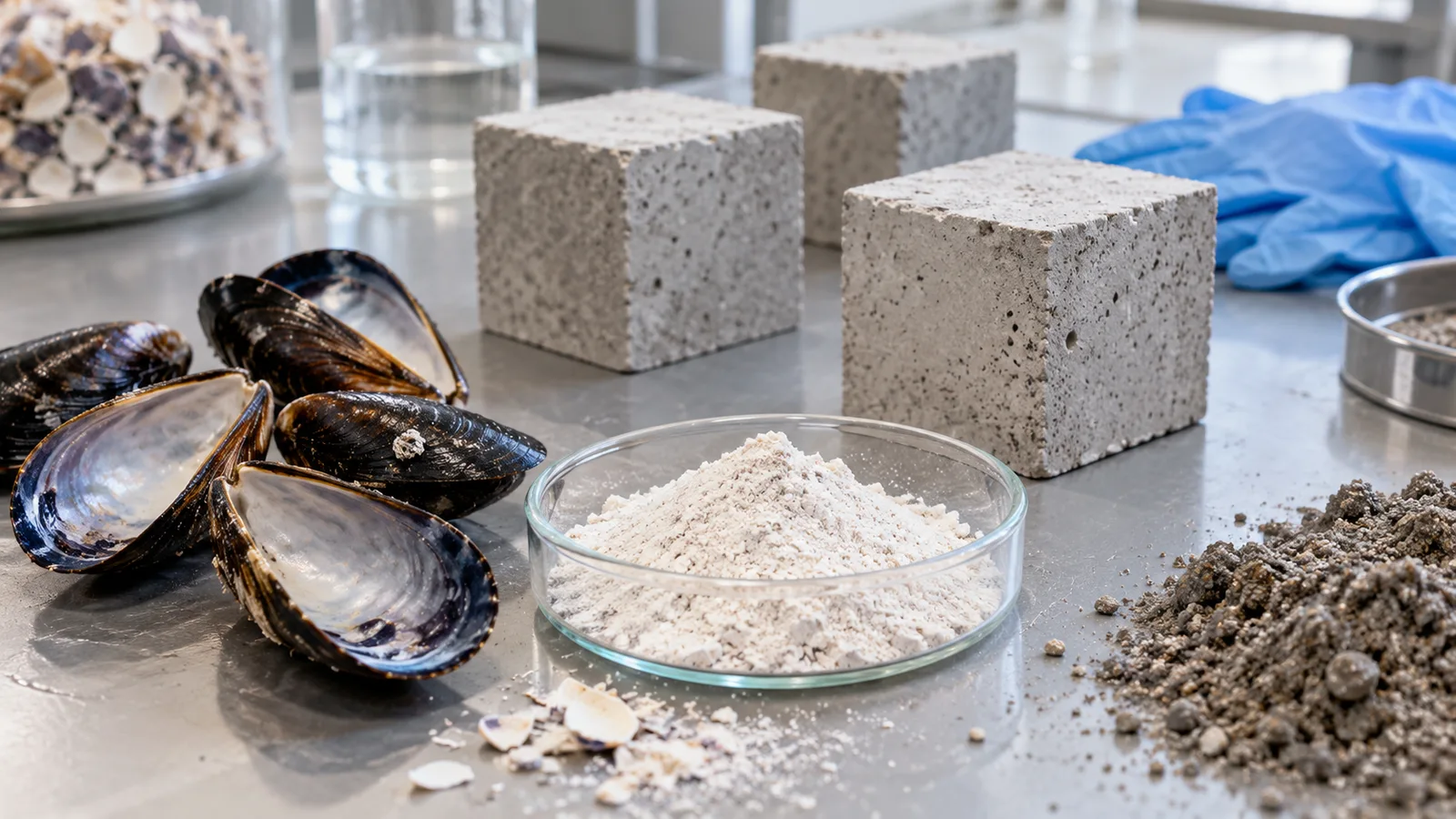
Shells as a building material: Bari's results and open questions
Researchers in Bari are developing new building material mixtures from seashells and harbour sediments. The prototypes are promising – they are not yet market-ready or generally approved.
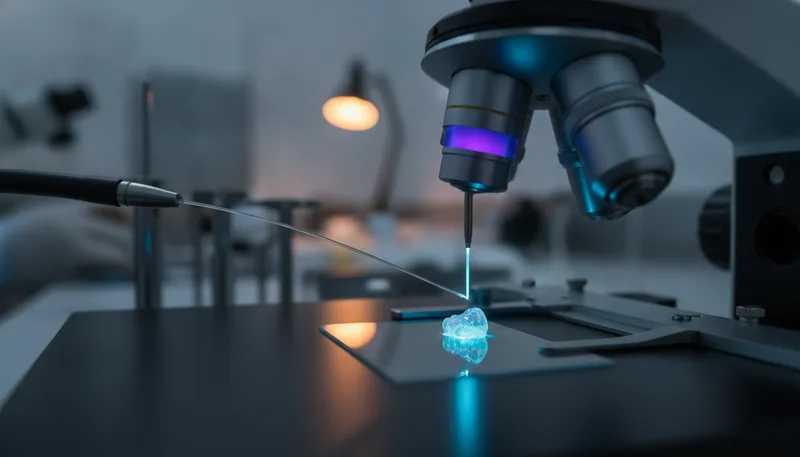
Nobel Prize for optogenetics: How light sharpens brain research
The 2026 Nobel Prize in Medicine honours optogenetics. What the method reveals about the brain, where its limits lie and what Swiss teams are working on.
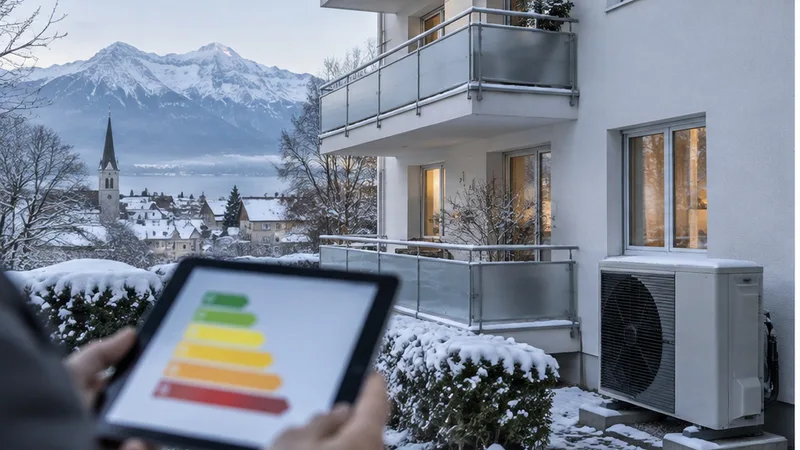
The federal CO₂ calculator: what the building estimate really shows
The federal calculator estimates CO₂ values for Swiss residential buildings. It shows retrofit potential, but has clear limits in data quality and explanatory power.
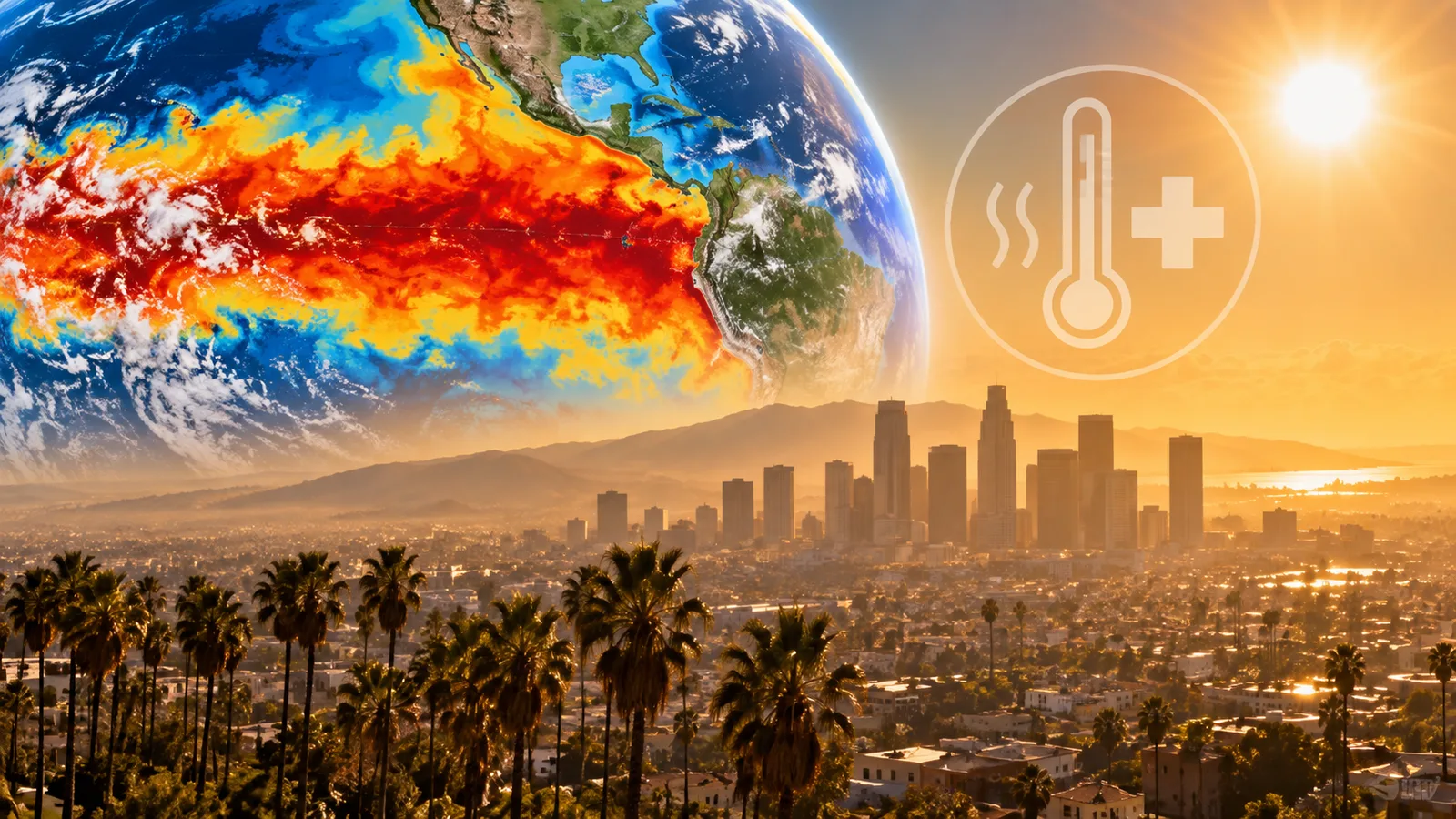
451,000 Heat Deaths From El Niño? Behind the Forecast
A report puts possible heat-related deaths during the El Niño phase at 451,000. JournalPlus explains how the figure is built, where its limits lie and what follows from it.
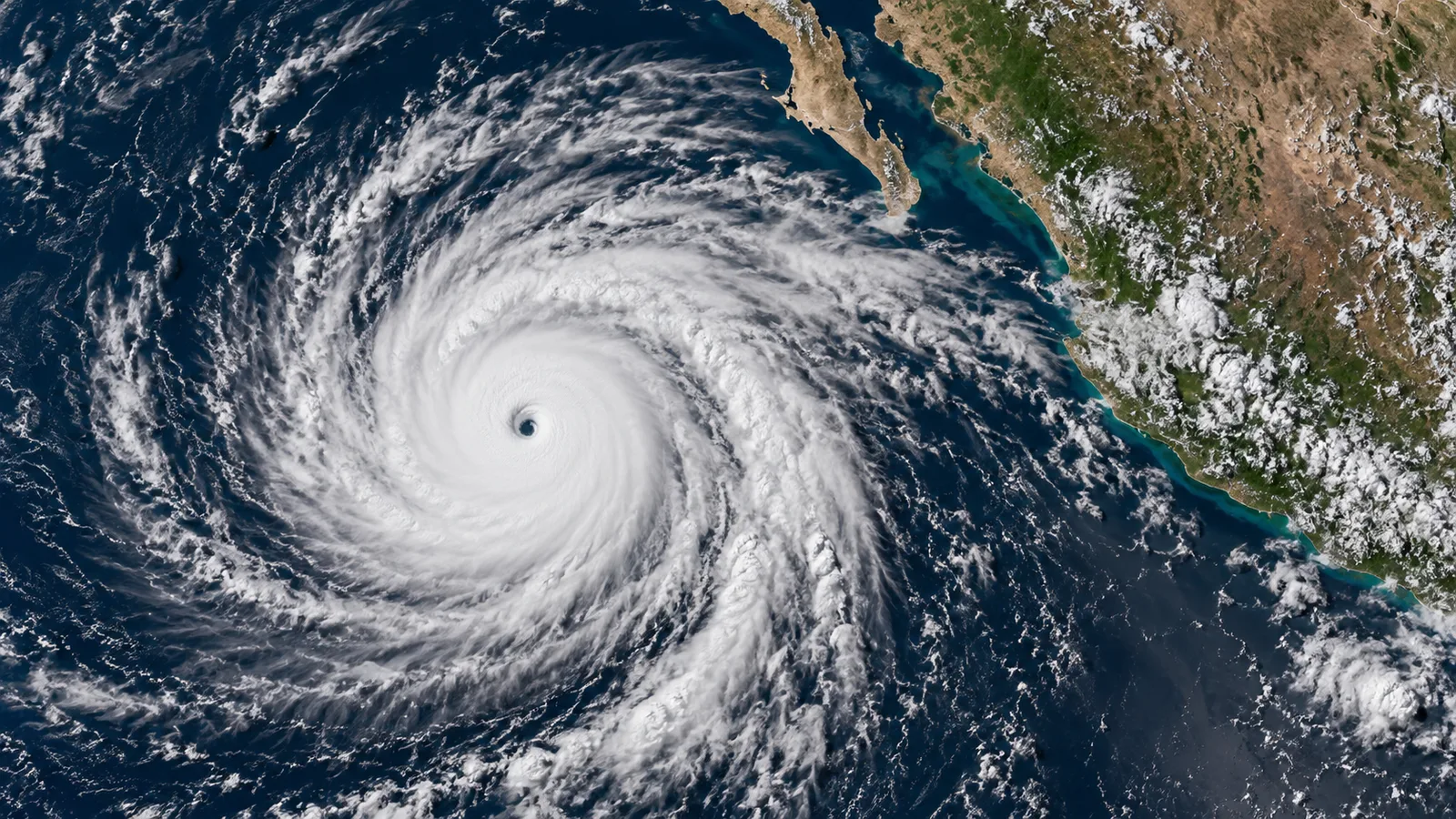
Hurricane Polo: How a tropical storm became Category 5 in 24 hours
Hurricane Polo intensified in the eastern Pacific at exceptional speed. Which conditions made the jump possible and what can be drawn from it.
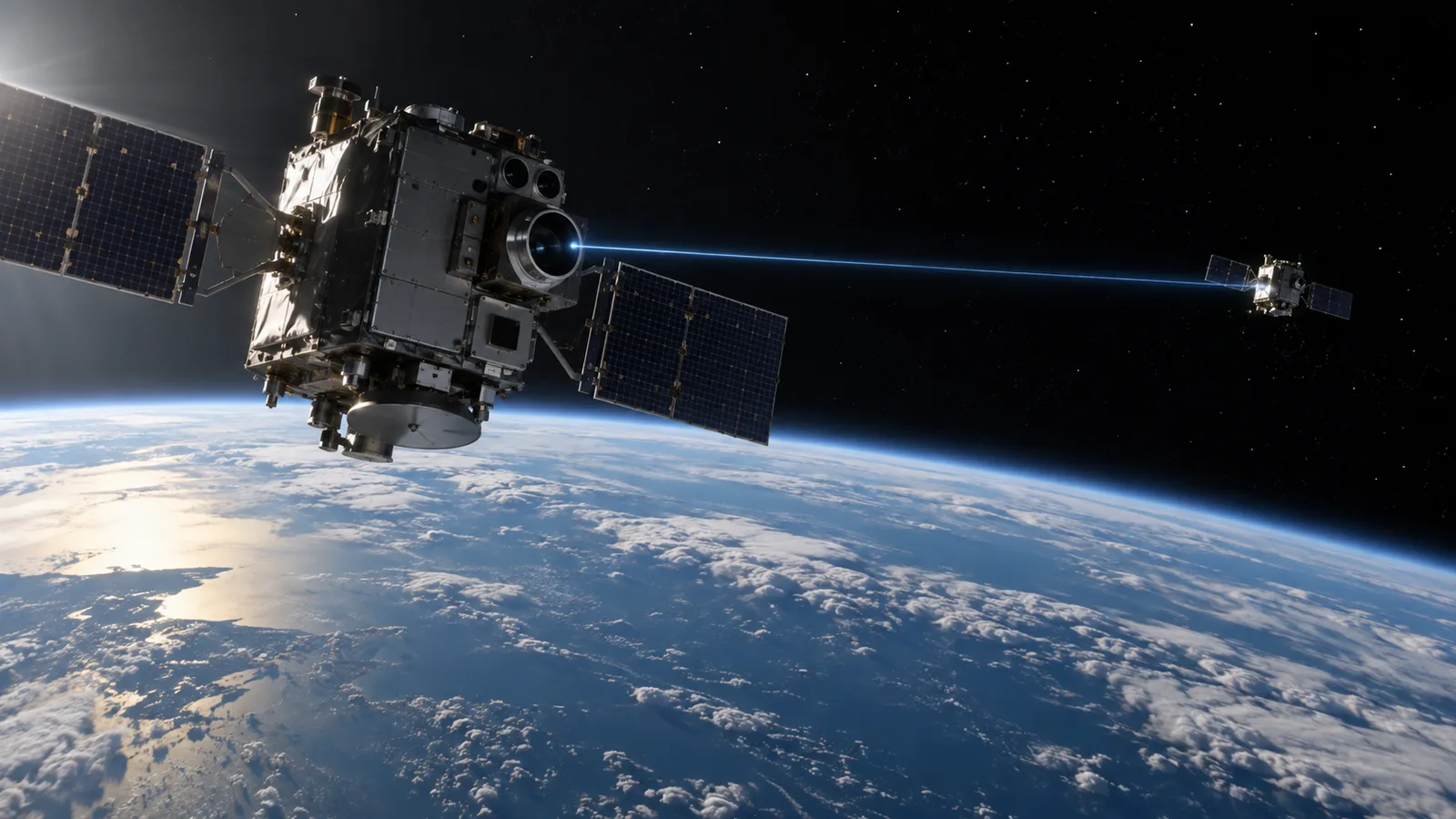
Orbit Weapons: The Gap in the Outer Space Treaty
The US is said to have confirmed orbit weapons for the first time, with no details on how they work. That cannot currently be verified. The 1967 Outer Space Treaty covers only weapons of mass destruction.
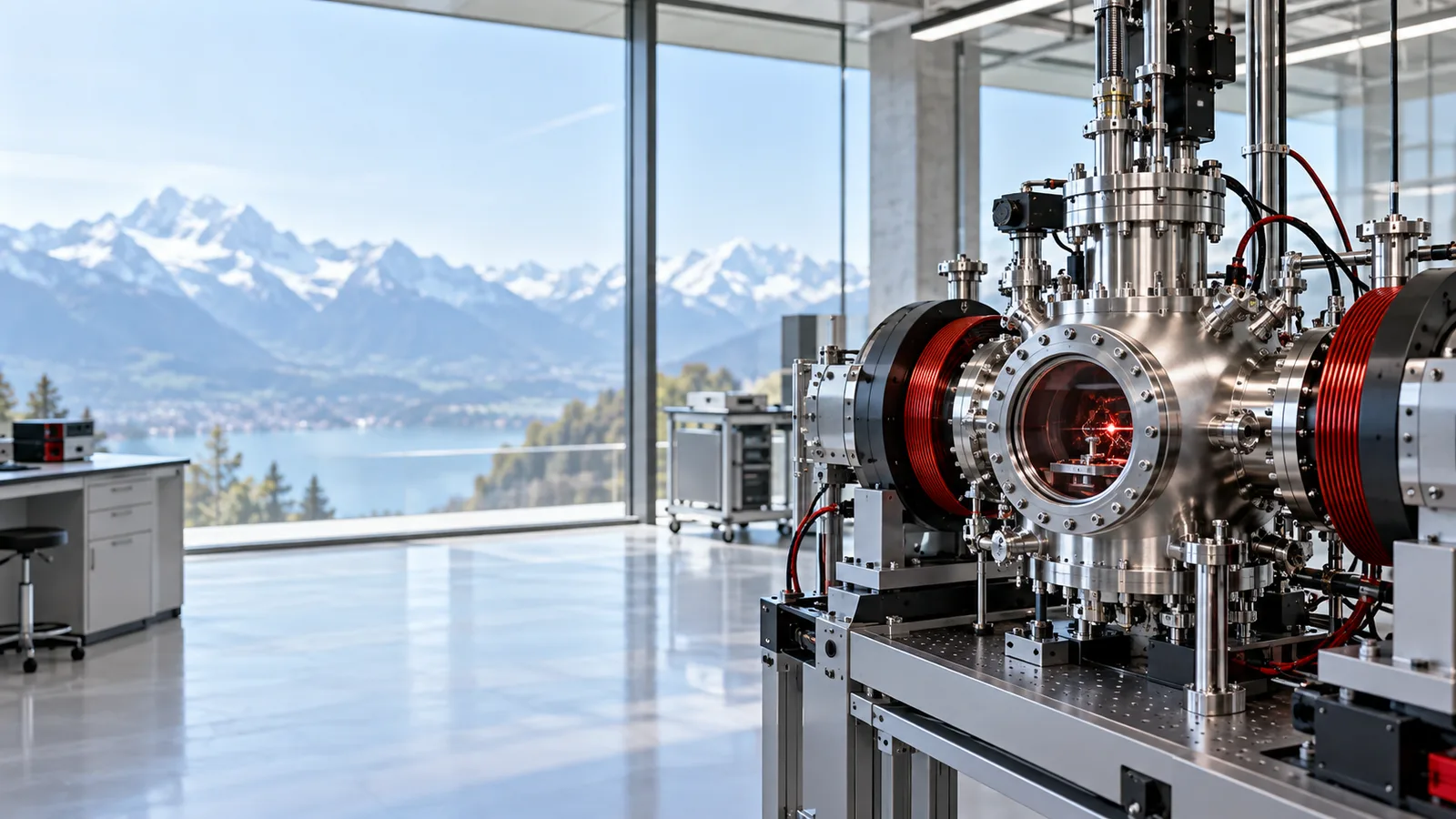
Swiss research builds a new network for spintronics
The Paul Scherrer Institute is becoming part of a new international centre for spintronics. For Switzerland, what counts is not quick product promises but access to materials expertise, measurement facilities and early-career networks.

Brown leaves are not always a sign of autumn
What looks like an early autumn can be damaged foliage. WSL warns of a mix-up that also distorts the view of how resilient forests actually are.

The environmental footprint of coffee starts long before the capsule
Filter or capsule? The visible packaging does not answer the environmental question on its own. What a Swiss study and a more recent research review show.

Sourdough is a process, not a health promise
Sourdough can change a bread's properties. Research from Agroscope and the University of Hohenheim shows why the making matters more than the label.
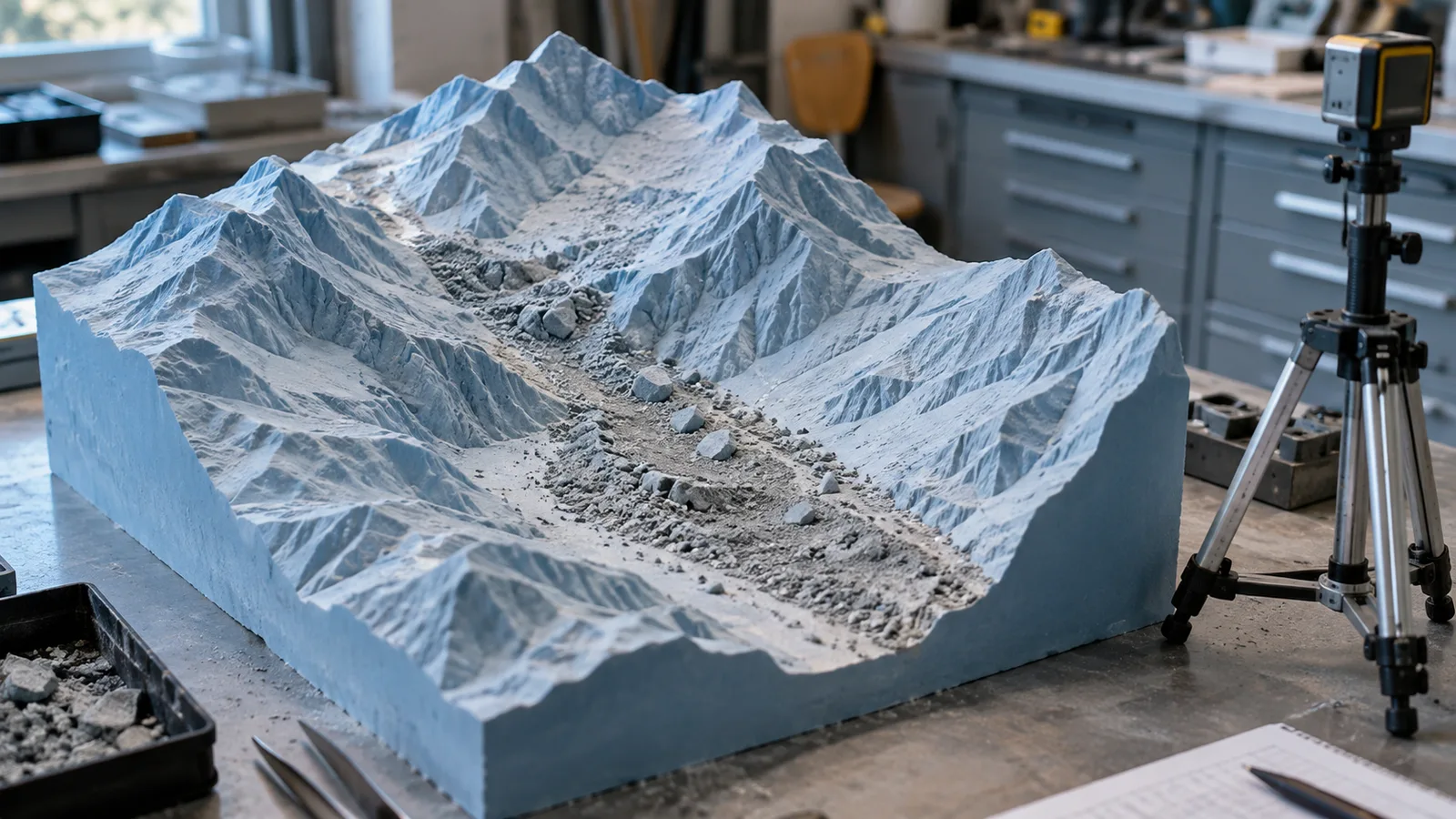
Blatten in the lab: why accurate reconstruction is not a forecast
Researchers combine ground shaking, terrain surveys and models. What the new work explains about Blatten – and what remains open.

Bird migration in autumn: two hazards begin at your own window
A look from outside at windows and lighting reveals possible risks. What the Swiss Ornithological Institute and the federal government recommend, and where research is still needed.

Federal Research: How R&D Spending is Changing
How much does the Confederation spend on internal research? A new FSO time series details federal R&D expenditure from 2000 to 2025. Data indicates the Confederation plays a relatively small role in Swiss-conducted research. Much of its work focuses on key institutions, primarily Agroscope.
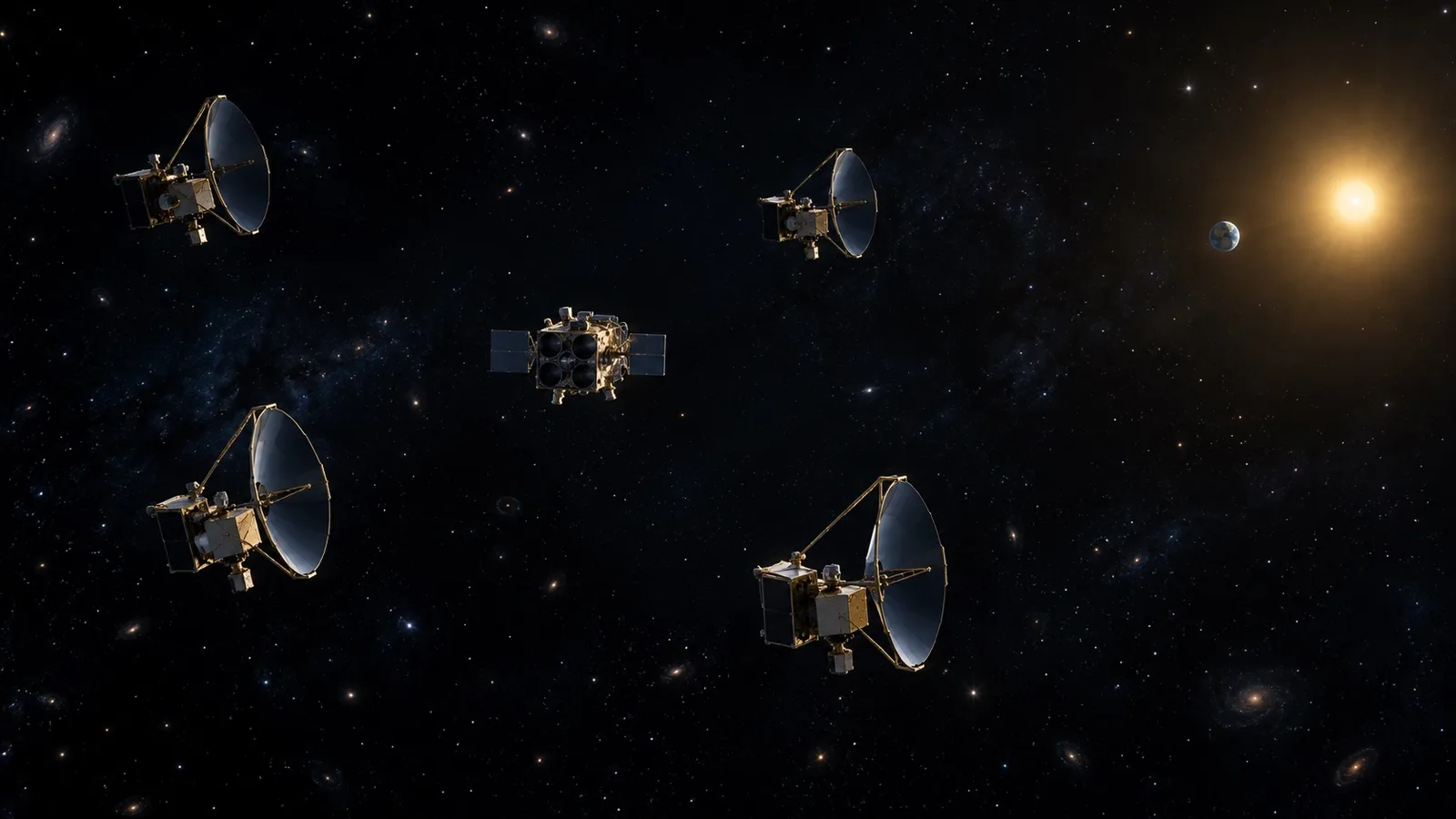
ETH Zurich’s LIFE project: How it could search for alien life
ETH Zurich is developing LIFE, a space-observatory concept designed to study the thermal radiation of nearby rocky planets and search their atmospheres for potential biosignatures. Laboratory tests show both the progress made and the hurdles that remain.
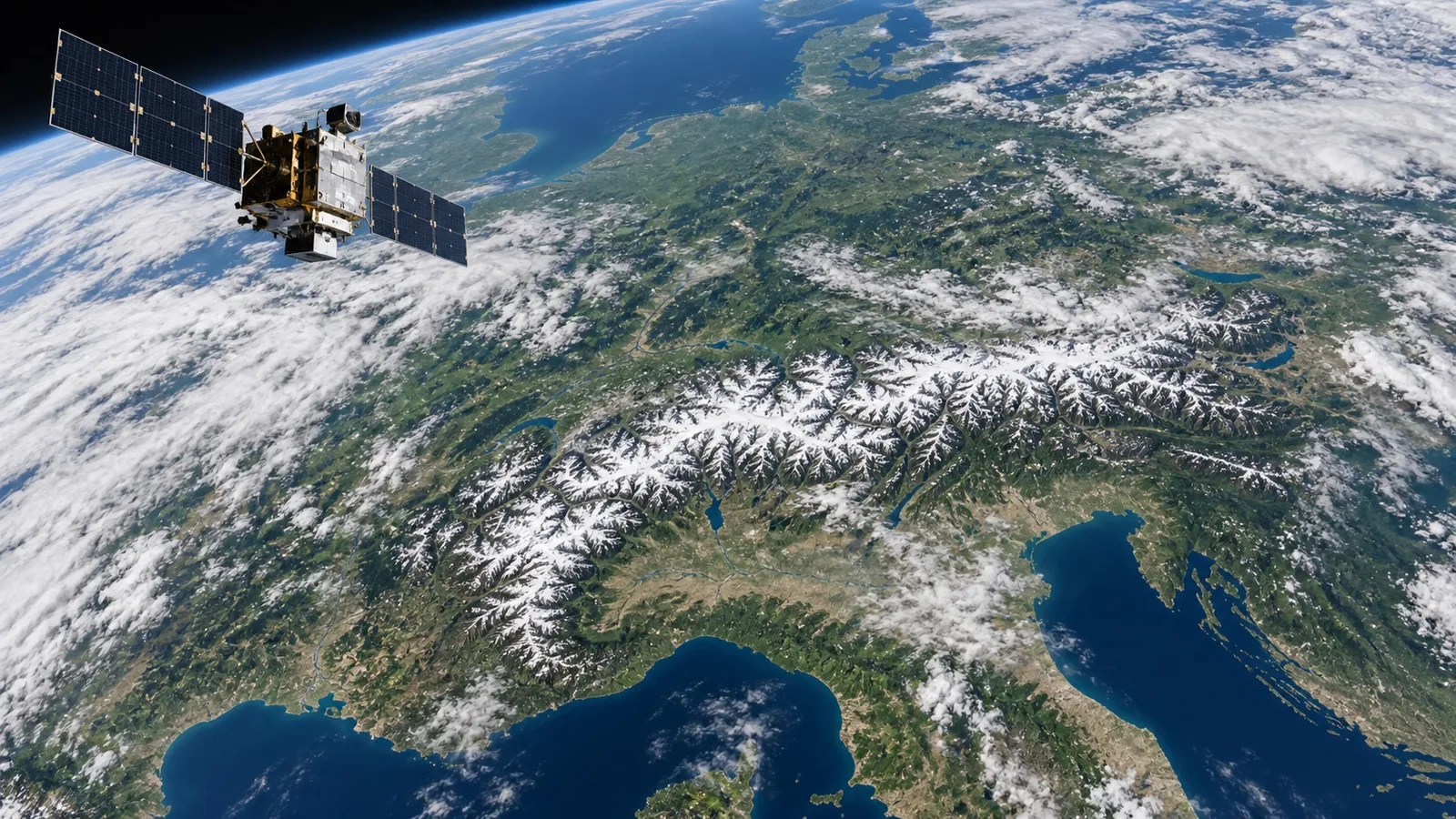
Switzerland Stays Out of Copernicus, Forgoes Decision-Making
Switzerland will not join the EU's Copernicus Earth observation program for 2028-2034. The Federal Council cited financial reasons, estimating annual costs at 48 million Swiss francs. While Switzerland can access most raw data, it loses a say in program development and excludes itself from operational services and public contracts.
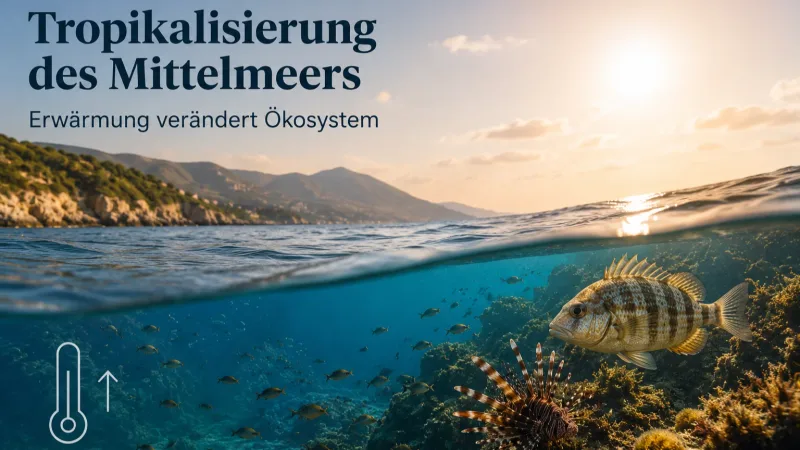
Mediterranean Tropicalization: Warming Transforms Ecosystem
The seas are warmer than ever before. Tropical species are colonizing the Mediterranean. Swiss researchers are studying the consequences. Summer 2026 shows the ecosystem is changing.

Blood Moon over Switzerland: Partial Lunar Eclipse on August 28
A partial lunar eclipse will occur in Switzerland on August 28, 2026. From 4:34 AM, Earth's shadow will cover up to 94 percent of the full moon. Observation tips and background information.
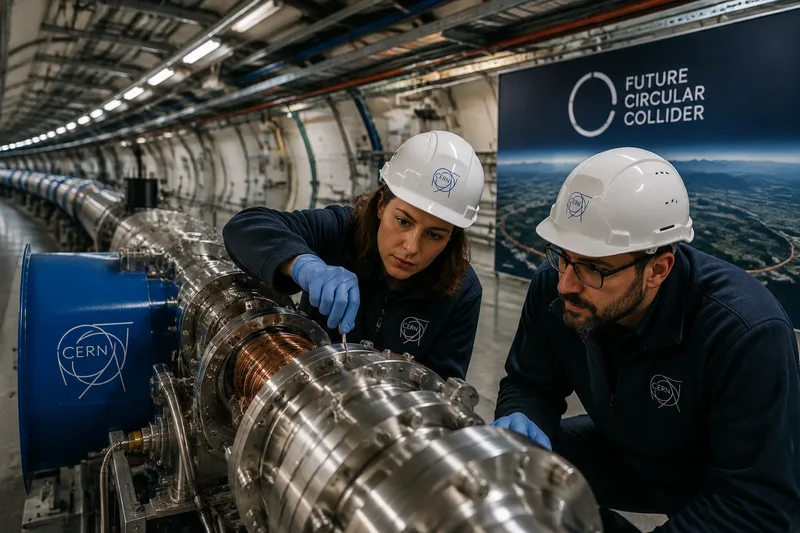
First Positrons Generated for Future Circular Collider
Cern successfully generated positrons for the Future Circular Collider. This marks a significant step towards the LHC's successor. What implications does this hold for particle physics research?

Golden Algae in Poland: Over Four Tons of Dead Fish Recovered
Over four tons of dead fish have been recovered from Polish waters. Toxic golden algae are suspected as the cause. Authorities warn of further ecological damage.
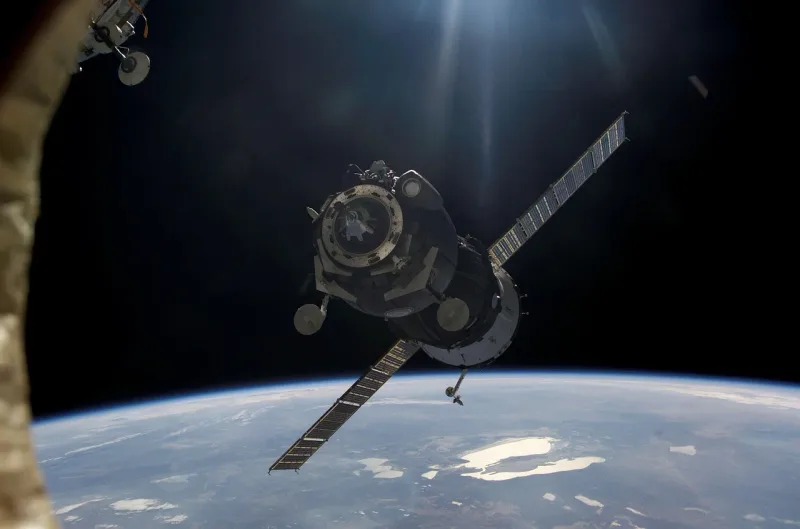
Federal Government Regulates Copernicus Environmental Data
The Federal Government intends to legally regulate the use of environmental data from the Copernicus program. A consultation is announced. These plans are highly significant for research and the economy.
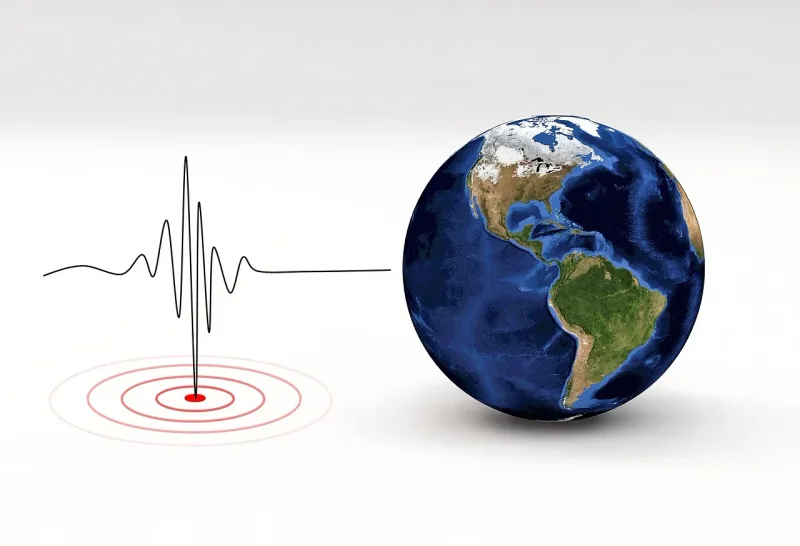
2026 Earthquakes: A Year of Shocks
Several major earthquakes kept people worldwide on edge in 2026. An overview details the strongest quakes, their consequences, and lessons for Switzerland.
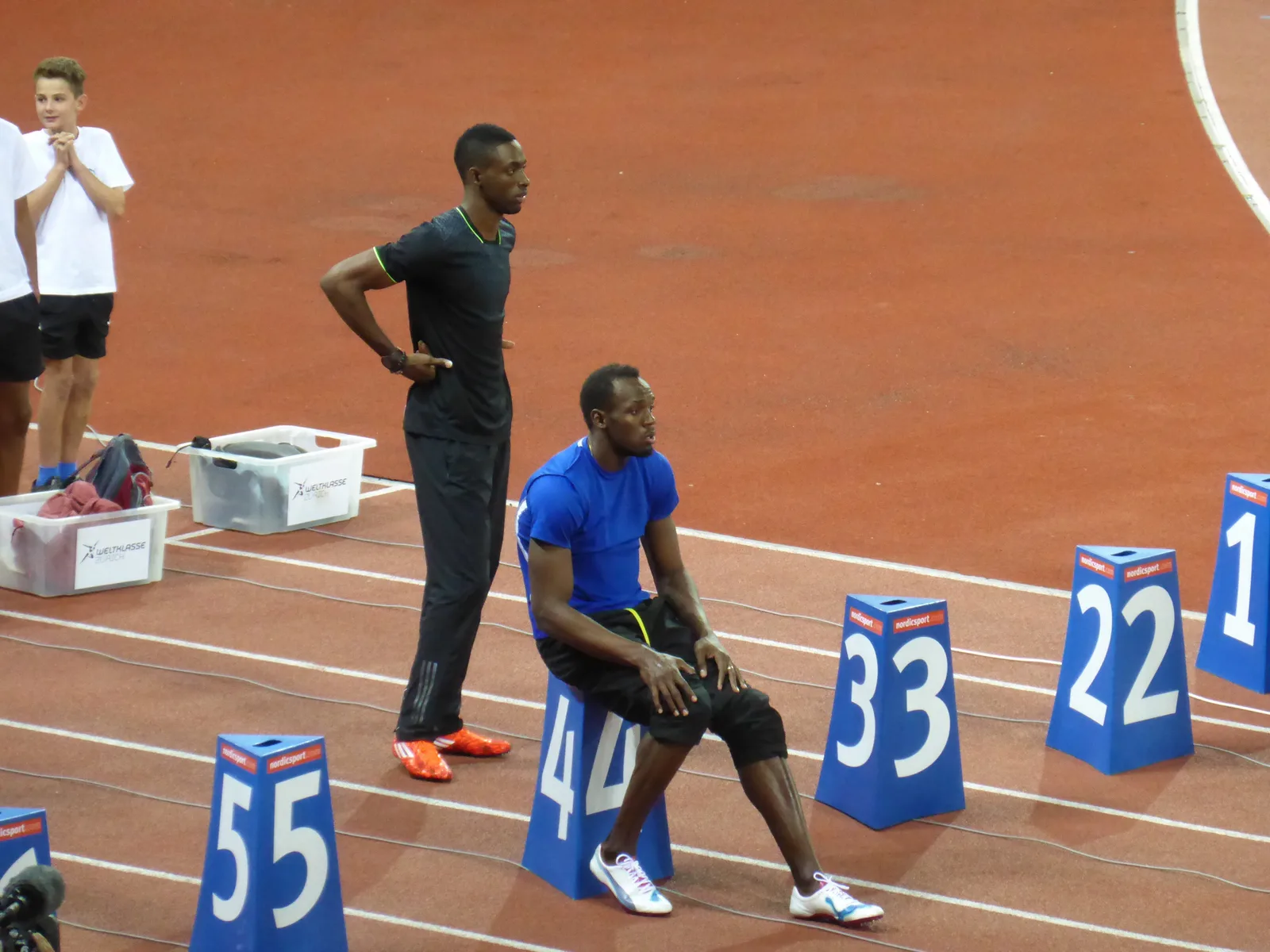
Chinese Robot Beats Bolt's 100m World Record
A Chinese robot reportedly ran the 100 metres faster than Usain Bolt's world record of 9.58 seconds at the Beijing Games. The unconfirmed achievement highlights advances in robotics.

New Plants for Extreme Heat: Research for Nutrition
Climate change threatens global food security. Researchers are developing heat-resistant plant varieties that yield crops even in extreme temperatures. Swiss institutions are involved in this effort.