El Niño doesn't make travel riskier overall – preparation does
According to the World Meteorological Organization, El Niño remains highly likely until at least February 2027. Yet for travellers the climate phenomenon alone is not decisive – the specific destination, the season and their own health situation are.
El Niño is back. The World Meteorological Organization (WMO) puts the probability at close to 100 percent that the climate phenomenon will persist from September to November 2026 and also from December to February 2027. That is relevant for weather services and civil protection. For a family from Switzerland planning a long-haul trip in winter, however, the announcement is not yet a travel warning.
The reason: El Niño influences temperature and precipitation patterns around the world, but the WMO itself warns against jumping to conclusions. The strength of the phenomenon does not translate one-to-one into impacts at a given location. What matters are regional weather conditions, the season, infrastructure and the question of where and how someone travels.
A city trip with reliable medical care raises different questions than trekking in a remote region or a beach holiday after heavy rainfall. Even within a single country, coast, highlands and major cities can differ markedly. Blanket statements about an entire destination therefore often fail to do justice to the actual risks.
This view deliberately differs from general debates about the global consequences of El Niño. The focus here is not on global mortality forecasts, but on concrete precautions before a trip from Switzerland.
A global signal, not a travel warning system
In some regions, unusual rainfall can favour floods and landslides. Elsewhere, heat and drought increase pressure on water and health services. For travellers this can produce very different risks: disrupted transport routes, poor drinking water quality, heat stress or – where conditions are suitable – more contact with disease-carrying mosquitoes.
That does not mean El Niño triggers an epidemic at every affected destination. The World Health Organization points out that for travellers, risks depend on the destination, the type of travel and personal health status. Anyone who infers a concrete disease risk from a global climate forecast alone can be just as mistaken as someone who ignores the weather situation entirely.
Which risks can actually become relevant
The Federal Office of Public Health lists dengue, chikungunya, Zika and malaria, among others, as mosquito-borne diseases for travel to tropical and subtropical regions, with the risk varying by destination. The right question is therefore not: «Is El Niño happening?» But: «Which risks apply in my holiday area right now?»
During flood events, access to medical care can also become more difficult. After heavy rain, the risk of contact with contaminated water or food rises in some places. In heat, dehydration and circulatory problems are particularly relevant for older people, small children, pregnant women or people with pre-existing conditions. These connections are plausible, but they do not replace an up-to-date local assessment.
What counts before departure
Before a trip, it is worth checking travel and health information for the exact region, not just for the whole country. The WHO recommends discussing health risks in advance with qualified professionals, particularly for longer stays, remote routes, pre-existing conditions or travel with children. Vaccinations, malaria prophylaxis and a travel pharmacy should be assessed individually.
Anyone who needs travel medicine advice should not wait until a few days before departure. Some protective measures require lead time or must be adapted to personal medical history.
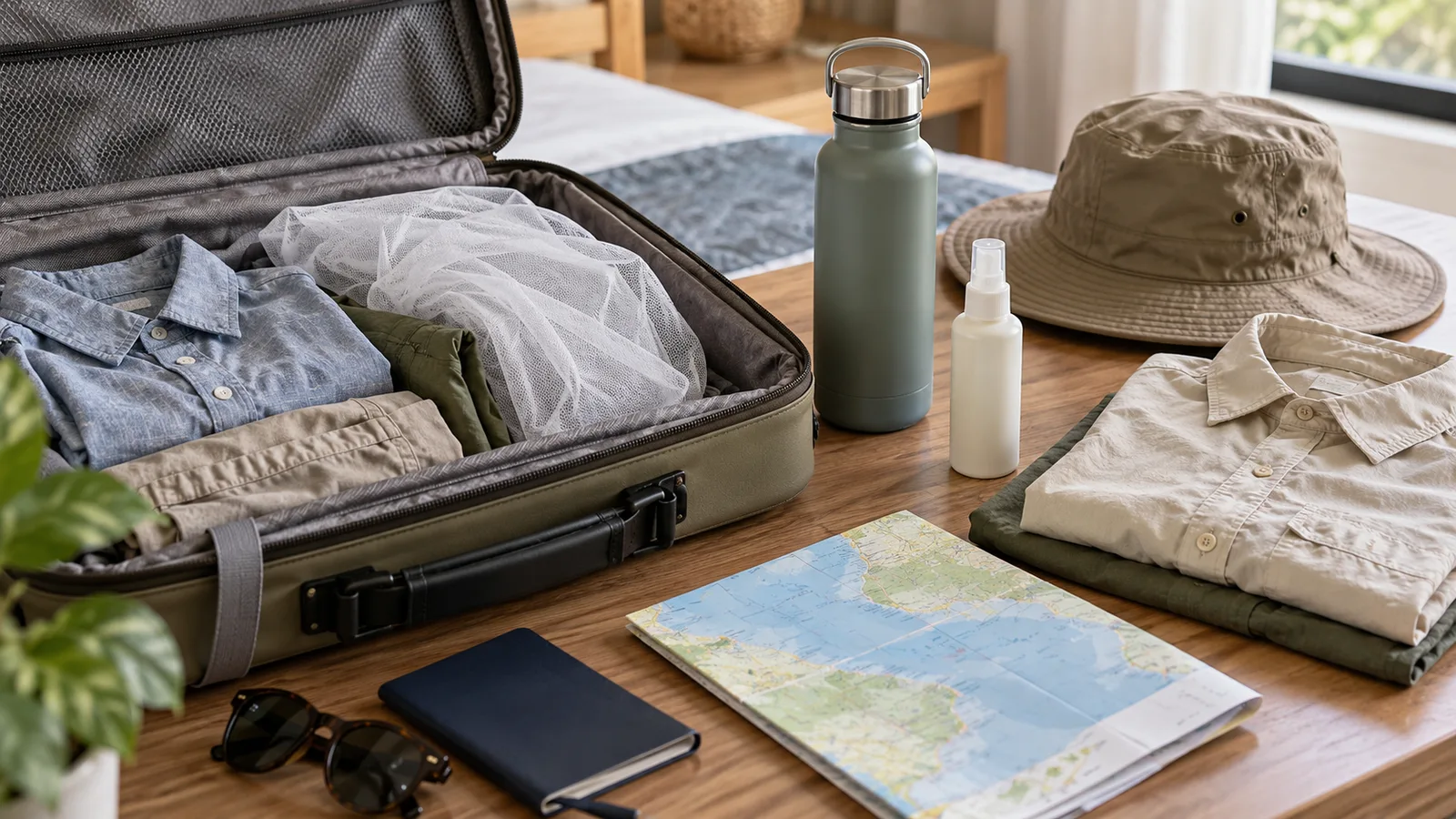
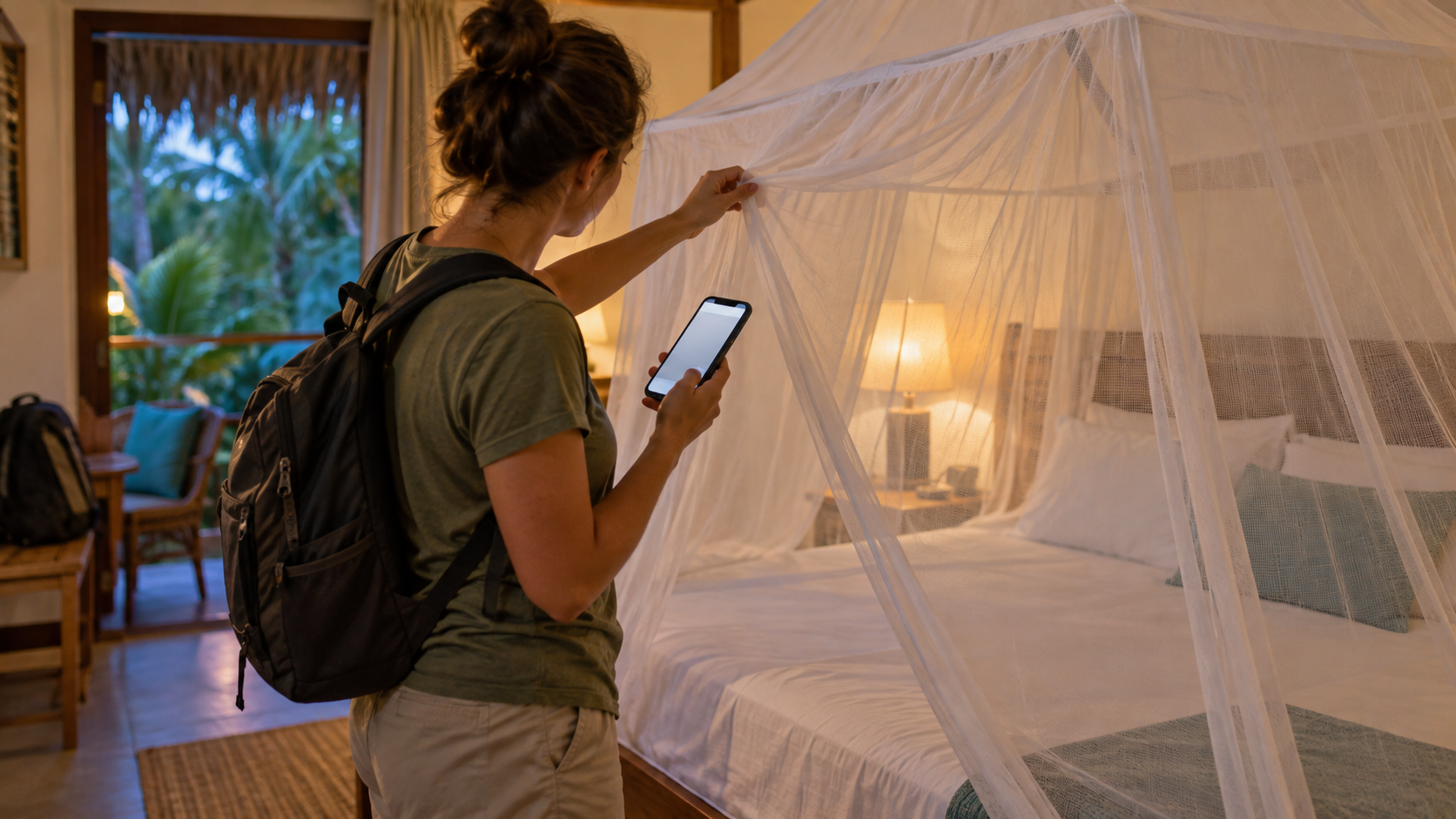
To protect against mosquito bites, the FOPH recommends, among other things, light-coloured, long clothing and repellents with suitable active ingredients such as DEET or icaridin; depending on the accommodation, mosquito nets or air-conditioned rooms can help. Drinking water and hygiene rules, protection from sun and heat, and a plan for the event that roads or flights are affected by severe weather are as mundane as they are effective.
The return journey is part of the precautions
Travel health does not end at Zurich Airport. The FOPH advises seeking medical advice promptly in the event of fever after travelling to an area with mosquito-borne diseases and explicitly mentioning the trip. This first protects the person affected. It also helps medical assessment in Switzerland, where imported cases are monitored closely, particularly with a view to the Asian tiger mosquito.
For ordinary Swiss travellers, the sober conclusion is clear: El Niño is a reason for better planning, not for panic and not for cancelling a trip wholesale. Anyone who considers destination, season, personal health and current guidance together travels more safely than someone who is guided solely by a big climate headline.
Sources
World Meteorological Organization: El Niño/La Niña Update, August 2026
World Health Organization: Travel and health
Federal Office of Public Health: Mosquito-borne diseases
Federal Office of Public Health: Travel and mosquito-borne diseases