Autumn fatigue: what light changes – and when vitamin D helps
Shorter days can shift the sleep-wake rhythm. Vitamin D plays a different role – and is not a universal remedy for seasonal tiredness.
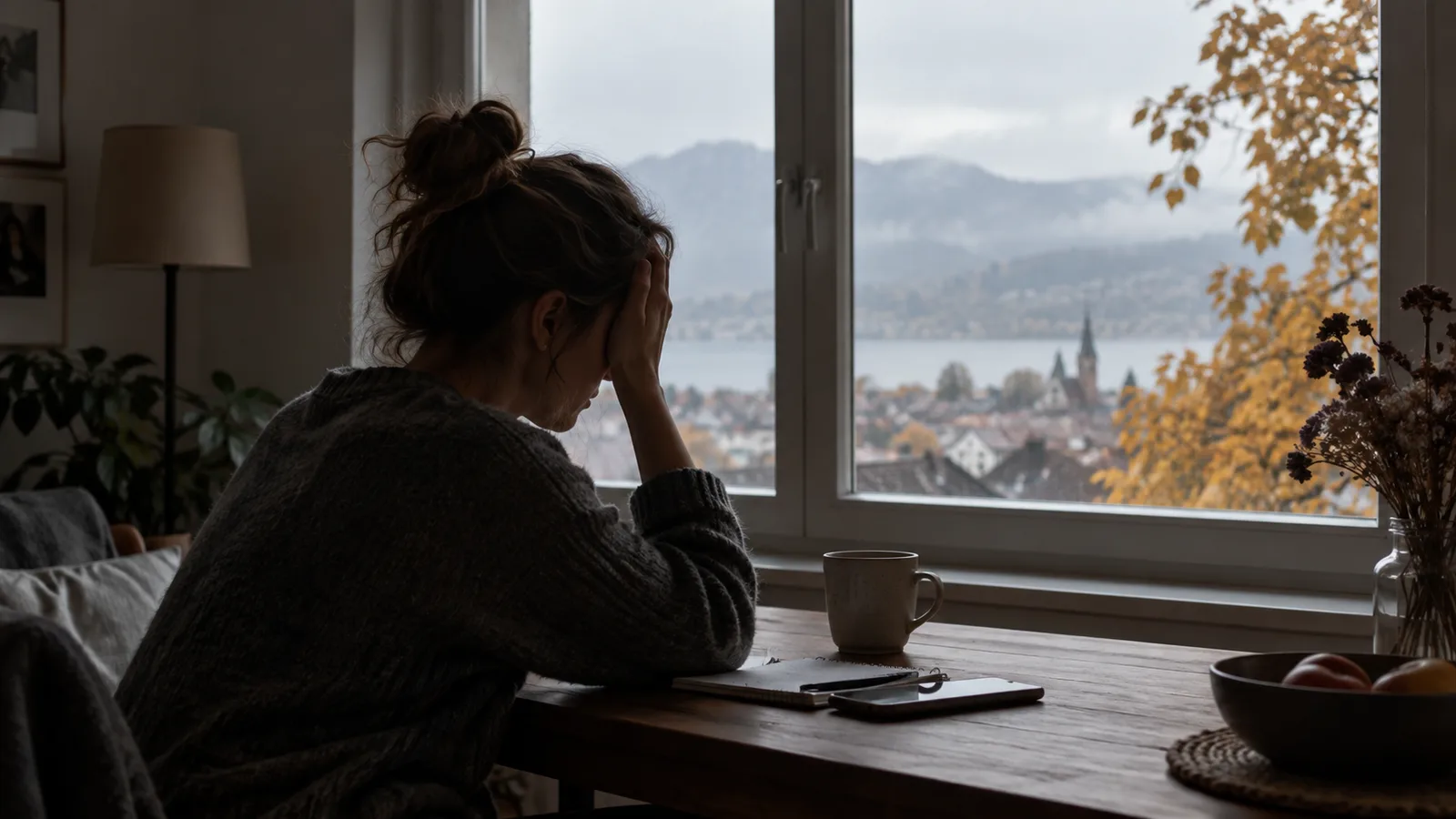
When the alarm rings before sunrise again in September, getting up feels like more of an effort for many people. «Autumn fatigue» is not a uniform medical diagnosis. The term describes a bundle of complaints: drowsiness, lack of drive, concentration problems or a shifted need for sleep. Seasonal changes can lie behind this – but so can lack of sleep, infections, iron deficiency, thyroid disease, depression or sleep apnoea.
Light sets the internal clock
The most important seasonal stimulus is visible light. The central internal clock in the brain synchronises sleep and wakefulness with the change between day and night. Bright light in the morning promotes the wake signal and can shift the rhythm forward. Dark mornings and plenty of artificial light in the evening work in the opposite direction. The US National Heart, Lung, and Blood Institute therefore describes targeted morning light therapy as a treatment for certain circadian sleep disorders. That, however, is a medical application, not the blanket answer to every tired autumn day.
In everyday life, the simplest measure costs nothing: seek daylight as early as possible. Outdoors it is usually much brighter than in indoor spaces, even under an overcast sky. A walk in the morning or at midday combines light with movement. Regular sleep and rising times, dimmed light in the evening and fewer glaring screens shortly before sleep support the rhythm as well.

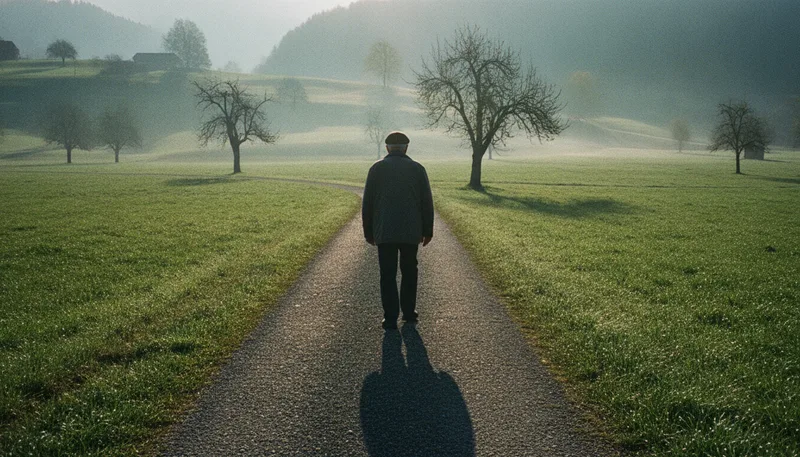
Daylight in the morning and exercise outdoors help to stabilise the sleep-wake rhythm. Image: JournalPlus / AI-generated symbolic image.
Vitamin D is not the same as daylight
Vitamin D is about UV-B radiation on the skin, not about the wake stimulus of visible light in the eye. The Federal Office of Public Health (FOPH) notes that in Switzerland the sun can be too weak in late autumn and winter for sufficient vitamin D production through the skin. At the start of the low-sun period, however, levels do not immediately drop into a deficient range for everyone: the body can store vitamin D produced in summer.
A deficiency can accompany tiredness, but does not prove that it is the cause. Conversely, it has not been shown that high-dose supplements reliably make healthy people without a deficiency more alert. The Federal Food Safety and Veterinary Office (FSVO) warns against unnecessary multiple intake from fortified foods, drops and other supplements. Food supplements are not medicines against seasonal exhaustion.
Who should have supplements checked
For people aged 60 and over, the FSVO recommends a vitamin D supplement to cover requirements. Infants and small children, as well as pregnant women after consulting a doctor, are also among the groups with specific recommendations. With dark skin, little time spent outdoors, being overweight or certain diseases, the risk of an undersupply can be higher. Dosage and a blood test should then be discussed with a specialist.
According to the FSVO, healthy adults between 3 and 60 years of age who spend time outdoors regularly in summer usually do not need a supplement during that period. In winter, requirements can be covered through vitamin D-rich or fortified foods and, if necessary, supplements. A blanket recommendation for all Swiss adults cannot be derived from this.
When tiredness is a warning signal
Anyone who feels tired for a few days after a clock change or a spell of weather can first observe sleep, light and daily structure. If the exhaustion lasts several weeks, becomes stronger, or if shortness of breath, weight loss, pronounced low mood, night-time snoring with breathing pauses or other complaints are added, a medical assessment is advisable.
The practical core is therefore unspectacular: autumn light influences the internal clock, vitamin D mainly bones and muscles. Both are connected with the sun, but physiologically they are not the same. Anyone who separates these levels avoids both false promises and unnecessary supplements.
Light also acts through timing
Not only brightness counts, but also timing. Bright daylight in the morning stabilises the sleep-wake rhythm; very bright light late in the evening can make falling asleep more difficult. In practice this means: get outdoors as early as possible, keep regular sleep times and use less intense lighting in the evening. If exhaustion, shortness of breath, depressive mood or pronounced daytime sleepiness persist over weeks, a medical cause should be checked. Behind supposed autumn fatigue there can be, among other things, sleep disorders, iron deficiency or a disease.