
Ebola confirmed in Geneva – husband isolated in Zurich as contact
A Swiss woman repatriated from Nigeria is being treated at the HUG. The authorities distinguish the confirmed case from the precautionary isolation of her husband; the FOPH assesses the risk of spread as very low.
Since Monday, 26 October 2026, a Swiss woman with a confirmed Bundibugyo Ebola infection has been treated in Geneva. She was repatriated from Nigeria. Her husband is in isolation as a contact person at the University Hospital Zurich. This is according to the communiqué published by the Geneva health authorities the same day.
That makes the situation more precise than the wording of two suspected Ebola cases: one illness in Geneva is confirmed, not a second one in the husband. The Geneva authorities describe the patient's condition as stable. The verified Swiss communiqués do not provide a conclusive reconstruction of the individual time of infection or the full chain of transmission.
What the hospitals actually say
In its own communiqué, the USZ refers to a Swiss national repatriated from Africa with suspected Ebola virus disease. It mentions treatment in the special isolation unit. The supplementary information from the Geneva authorities explicitly classifies the man as a contact person of the patient. The terms must not be merged into two confirmed infections.
According to the Geneva authorities, both people were brought to Switzerland by Rega. Transport and care followed national and international protection protocols. Neither contact with the general population nor transmission during the journey can be derived from this. Such claims would require evidence of their own.
The Hôpitaux universitaires de Genève and the USZ are the two Swiss reference hospitals for the specialised care of such diseases. The USZ describes structural and technical safety measures as well as trained staff. According to its communiqué, there is no danger for ordinary hospital operations or for regular patients and visitors.
Isolation is a protective measure, not a diagnosis
Where there has been close contact with an infected person, health authorities can order observation and further measures. This safeguards a possible course before all questions are answered. A person can therefore be isolated without an infection having been detected in them.
The World Health Organization accordingly distinguishes between a contact person, suspicious symptoms and an illness confirmed by laboratory testing. Early complaints such as fever, weakness or headache and muscle pain are non-specific. Other infections can also begin in a similar way. A diagnosis cannot be derived from accommodation in isolation or from a single symptom.
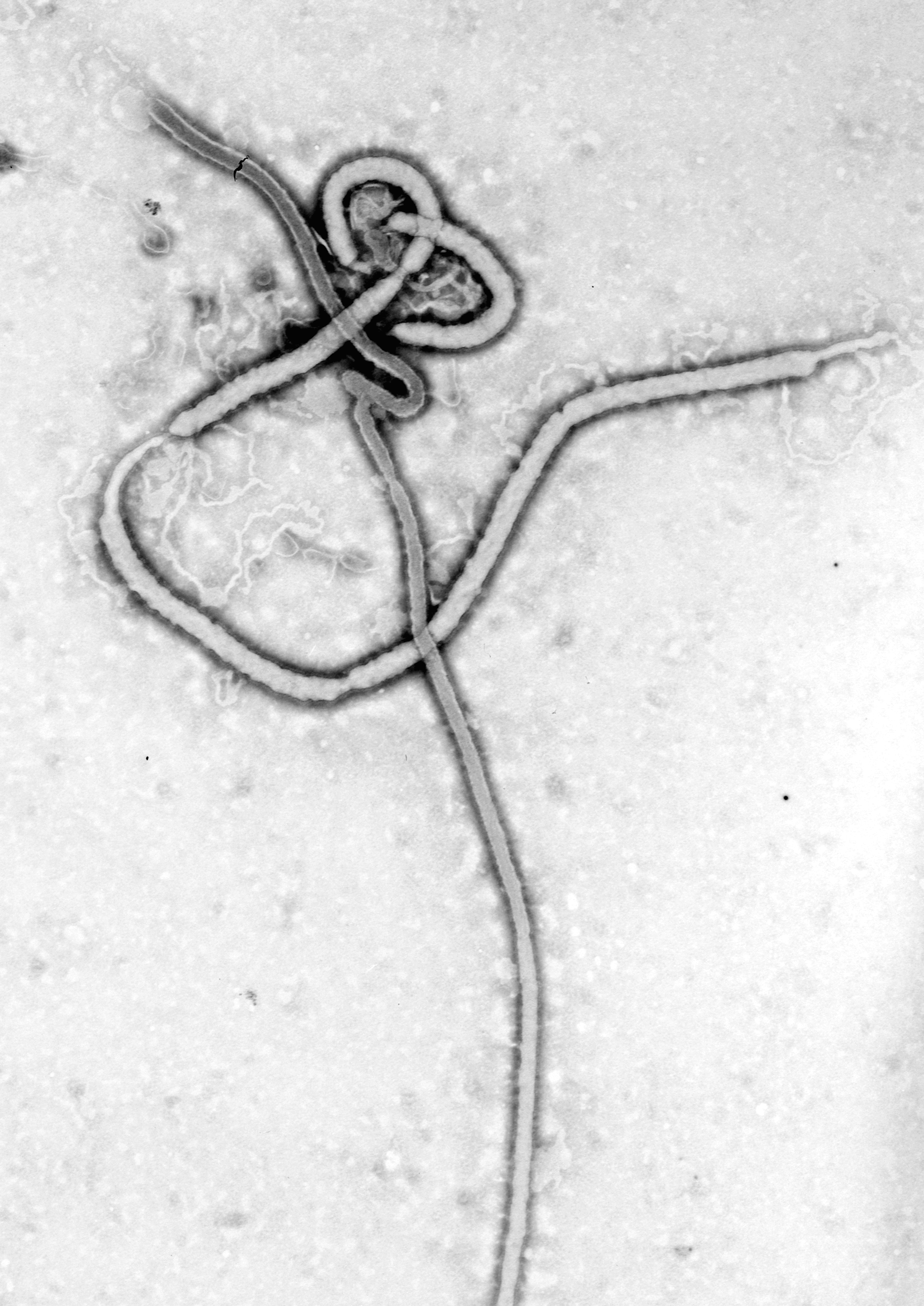
Why the type of contact matters
Ebola is transmitted mainly through direct contact with the blood or other body fluids of sick people, when these enter the body through broken skin or mucous membranes. Objects contaminated in this way can also play a role. This is not the same as ordinary contact in a public space.
According to the WHO, the time between infection and first symptoms is two to 21 days. People do not transmit the disease before symptoms begin. The organisation recommends health monitoring for identified contact persons for 21 days after exposure. What specific observation period applies to the man at the USZ cannot be calculated without a published date of the last relevant contact.
This distinction also explains why protective clothing, safe procedures and trained teams matter: direct care can create precisely those contacts that are absent in normal everyday life. The medical severity of a disease and the risk to uninvolved people are different questions.
What the assessment means for Switzerland
The Federal Office of Public Health assesses the probability of infection and spread in the Swiss population in connection with the ongoing outbreak as very low. According to its information page, no special entry regulations therefore apply to the general population. The Geneva communiqué refers to ongoing coordination between the FOPH, the cantons and both hospitals.
"Very low" describes an official risk assessment under existing conditions. It is neither a guarantee that no further suspected case can occur nor a reason to scale back protective measures in care. Equally, the repatriation of a sick person from a foreign outbreak does not automatically create a chain of transmission in Switzerland.
Anyone who had possible relevant contact and develops symptoms should seek medical advice by telephone before an unannounced visit to a doctor or hospital, and describe the contact. For everyone else, the key is to distinguish confirmed diagnoses from precaution. The Swiss situation currently documented is one patient under treatment and one isolated contact person – not a proven outbreak in the population.
Sources
- Canton of Geneva: confirmed case, contact person and care, 26 October 2026
- USZ: admission of a patient with suspected Ebola virus disease, 26 October 2026
- FOPH: Ebola virus disease and current risk assessment
- WHO: transmission, diagnosis and contact monitoring
- CDC: symptoms and distinction from other diseases
- Lead image: Adrian Michael (Parpan05) / Wikimedia Commons
- Lead image licence: CC BY 3.0
- Article image: CDC / Dr. Frederick A. Murphy, PHIL 1833, public domain
- Unmodified article image file on Wikimedia Commons


