Section
Switzerland
Live blog · archive

Scholarships 2025: The canton remains a decisive factor
New FSO data show that access to cantonal scholarships depends not only on a family's financial situation. The canton also shapes how many people receive support and how large the awards are.

Bern and France's armaments agency: dialogue, not a contract
Armaments chief Urs Loher and France's Direction générale de l'armement (DGA) met in Bern to discuss developments and cooperation. Such meetings matter for interoperability and market awareness, but remain political working contacts.
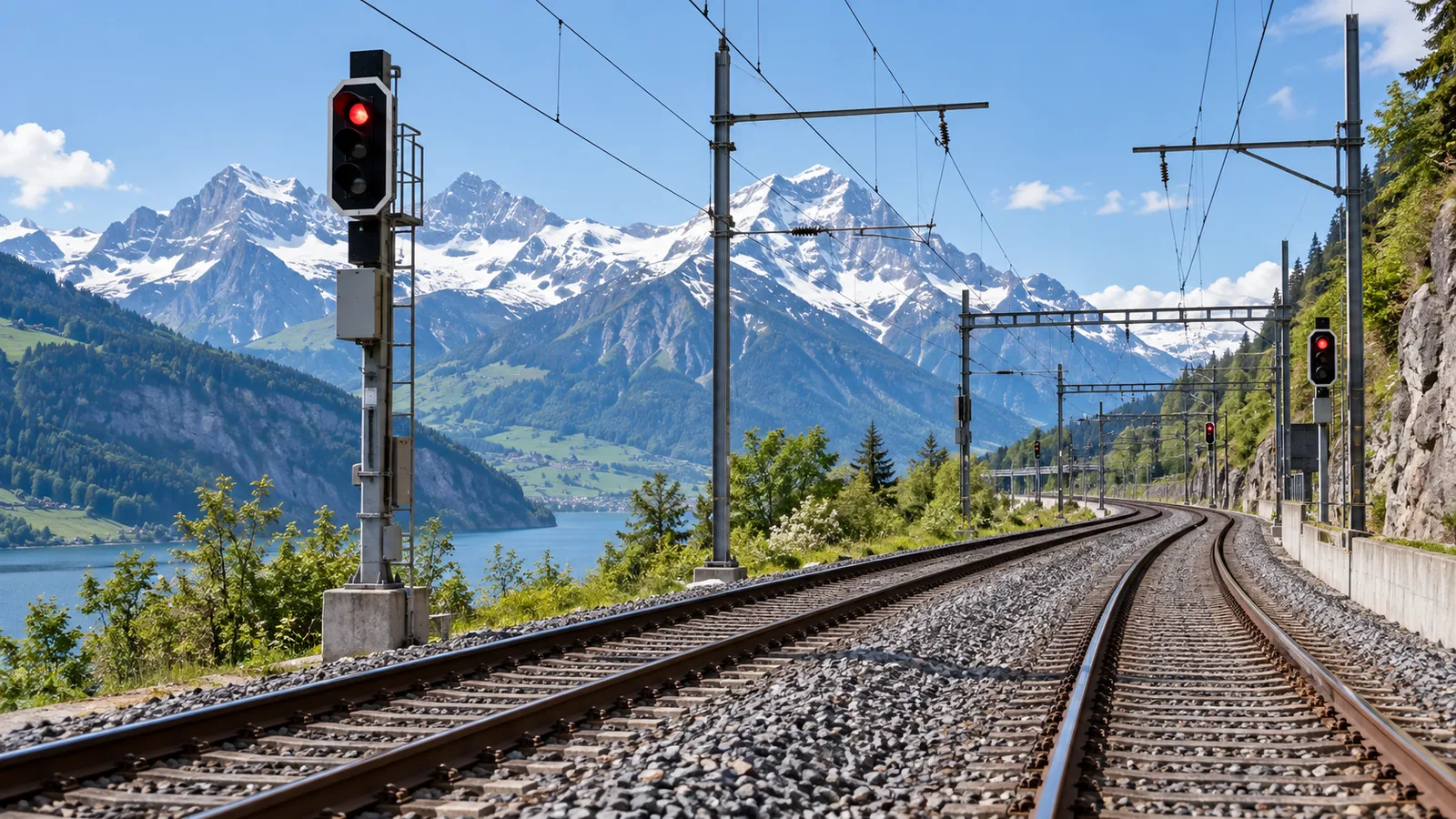
SUST final report: What a railway investigation clarifies
A SUST final report clarifies the causes and risks of rail incidents. Its value lies in prevention – not in a quick verdict.

Domestic violence: why minors must be counted separately
Police data make harmed minors visible. Relationship, age and the limits of the statistics are decisive for how those figures are read.

Six weeks of holiday: why Switzerland said no in 2012
In 2012 Switzerland clearly rejected six weeks of statutory holiday. What counted then, which rules apply today, and why the conflict remains current.
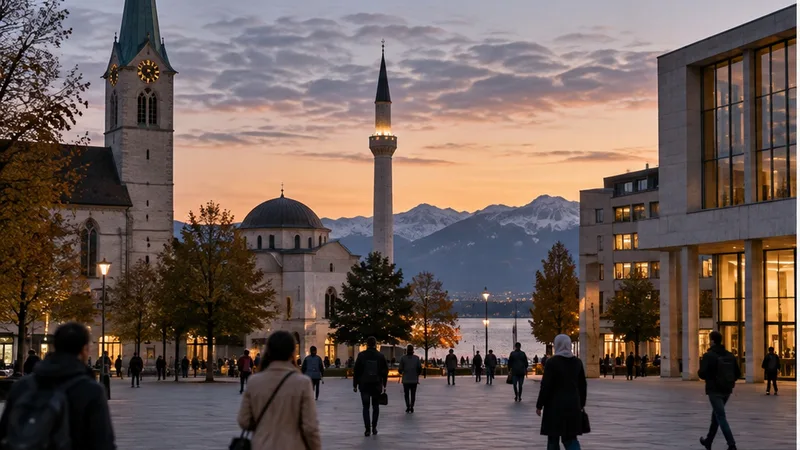
Switzerland's Religious Landscape: No Religion Is the Biggest Group
Switzerland is becoming more secular and more religiously diverse. New BFS data show how much the national churches are losing – and what the statistics cannot measure.

Fewer marriages, later divorces: what money and law have to do with it
Why are fewer couples marrying? BFS data point to later life decisions and more forms of relationships. JournalPlus examines tax consequences, maintenance, the AHV cap and divorces at older ages.

Swiss sanctions: what changes for companies on 1 November
The Federal Council is clarifying the financial rules in four sanctions ordinances. What companies must now note on blocked accounts, reporting duties and humanitarian exemptions.
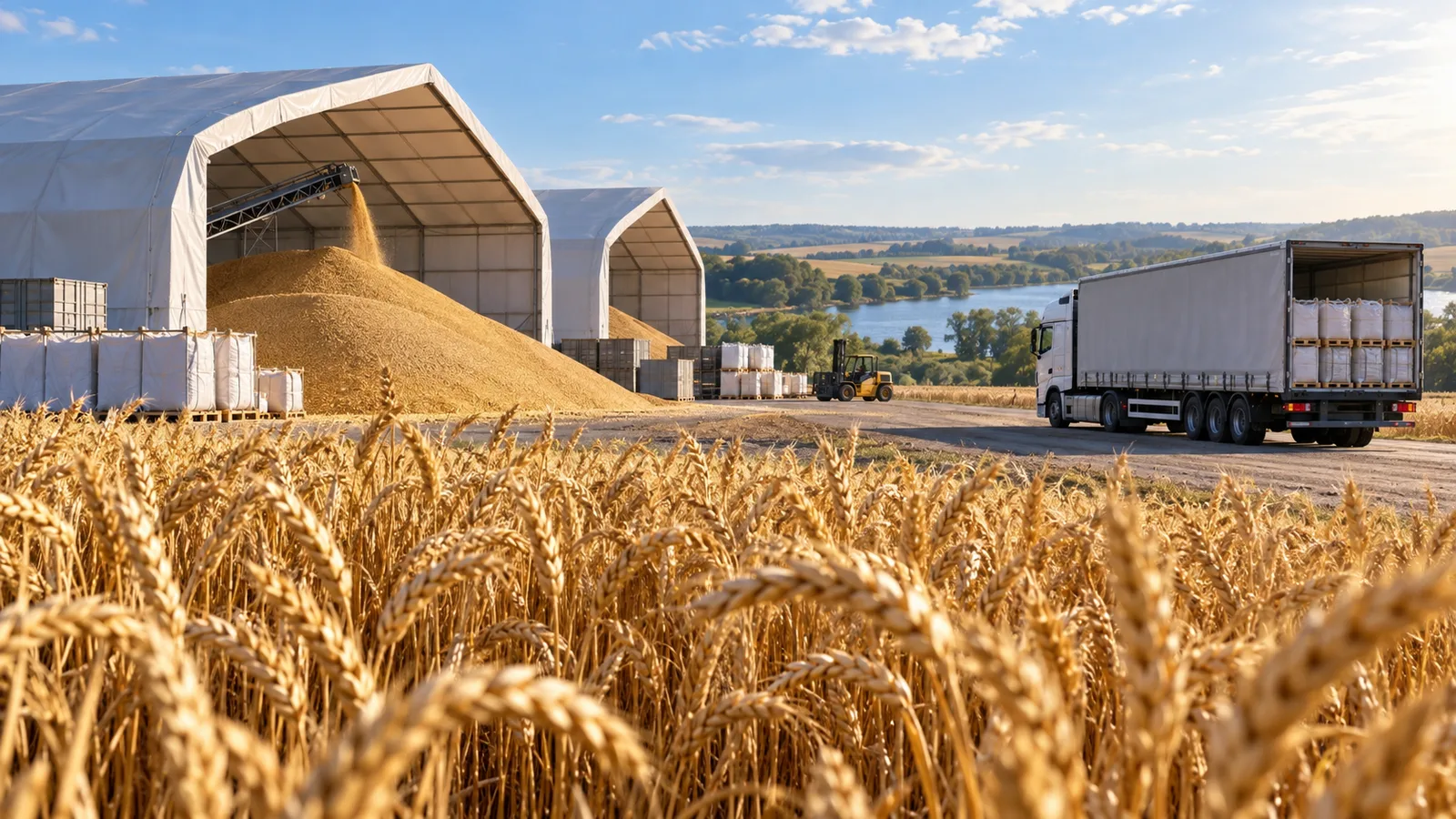
Three million for Ukraine's harvest: why storage space matters now
Switzerland is providing three million francs for Ukraine's grain harvest. The aid closes an often overlooked gap between field, storage and export – but it does not solve the transport problem.
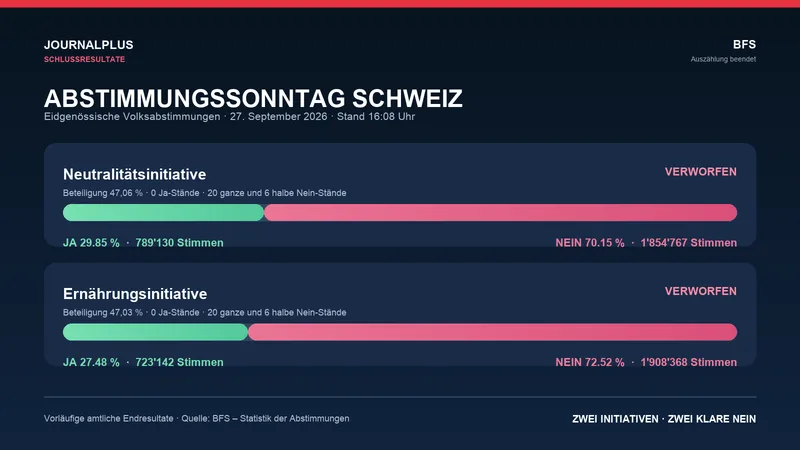
Voting day 2026: what the double No means
Neutrality and food: both popular initiatives fail with more than 70 percent No. What the clear verdict means politically – and what comes next.

Winter tyres in late September: no Swiss mandate, but clear risks
When winter tyres make sense, why the O-to-O rule is only a rule of thumb, and what legal and insurance consequences summer tyres can have.

What changes in Switzerland on 1 October 2026: five key updates
Five changes take effect in Switzerland on 1 October 2026. JournalPlus explains who is affected, which deadlines apply and when action is actually required.

Household costs autumn 2026: what costs more, where relief comes
In autumn, some bills rise because of consumption, others because of tariffs. What electricity, heating, rents, fuel and premiums mean for Swiss households.

Voting Sunday: Two initiatives, two constitutional decisions
The neutrality initiative and the food initiative are on the same ballot, but they would reshape entirely different policy fields. The main consequences compared.

Vote on 27 September: Both initiatives trail in the latest SRG poll
The latest SRG trend poll puts both proposals clearly in the no camp. How robust the figures are – and why voting day still must not be pre-empted.
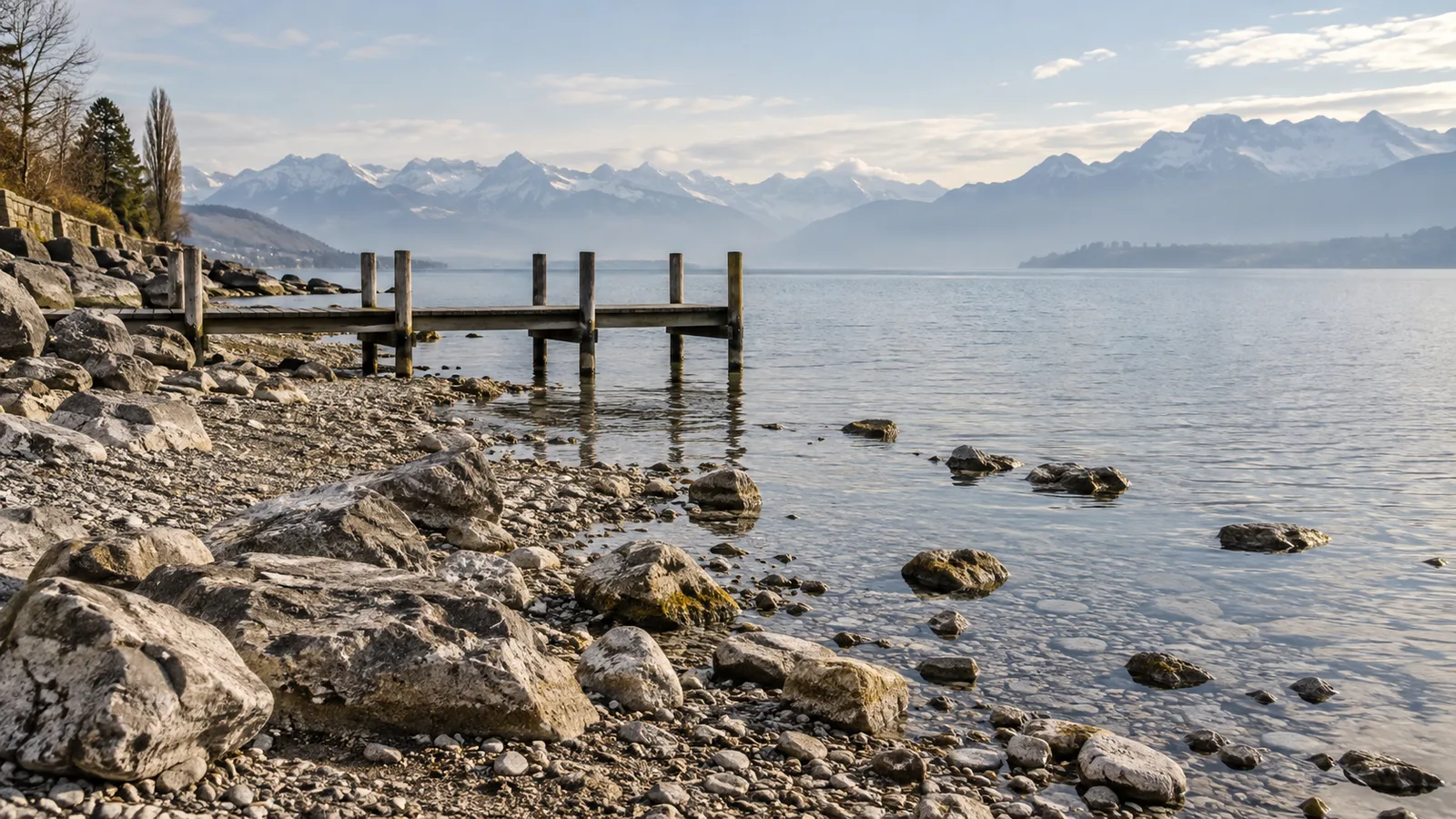
Hydrological Yearbook: the dry spring behind the annual average
The Hydrological Yearbook shows a dry spring in 2025, but not a uniform year everywhere. What Lake Constance, the Rhine Falls and changes in the monitoring network reveal about the data.

NDB cyber case: exoneration with a key question open
The Confederation's review of the NDB's former cyber unit is largely exonerating. A possible transfer of network data remains unresolved in criminal law terms.

First Swiss F-35A signed — the cost dispute remains
The signature on the first F-35A marks visible production progress. It is neither the technical acceptance nor an answer to the dispute over costs and the fixed price.

VAT 2024: why two official figures diverge
Why does the new 2024 VAT statistic show more than the state accounts? Year-end cut-off explains the difference – and the sector data do not reveal the burden on households.

Passenger data: Switzerland to screen all foreign flights from 2027
From February 2027, fedpol will match the booking and travel data of international flight passengers against police systems. The law contains safeguards, but initially captures unsuspected travellers too.

Migros weighs overhaul of its ten cooperatives: who decides
From ten to three – or even a single cooperative: according to media reports, Migros is examining far-reaching models. Nothing has been decided. What matters is what rights regional cooperatives and their members keep.

Leaked court minutes – Federal Court files complaint against unknown
The Federal Supreme Court responds to a leaked session protocol with a criminal complaint. What is legally established – and why Tamedia is not accused.
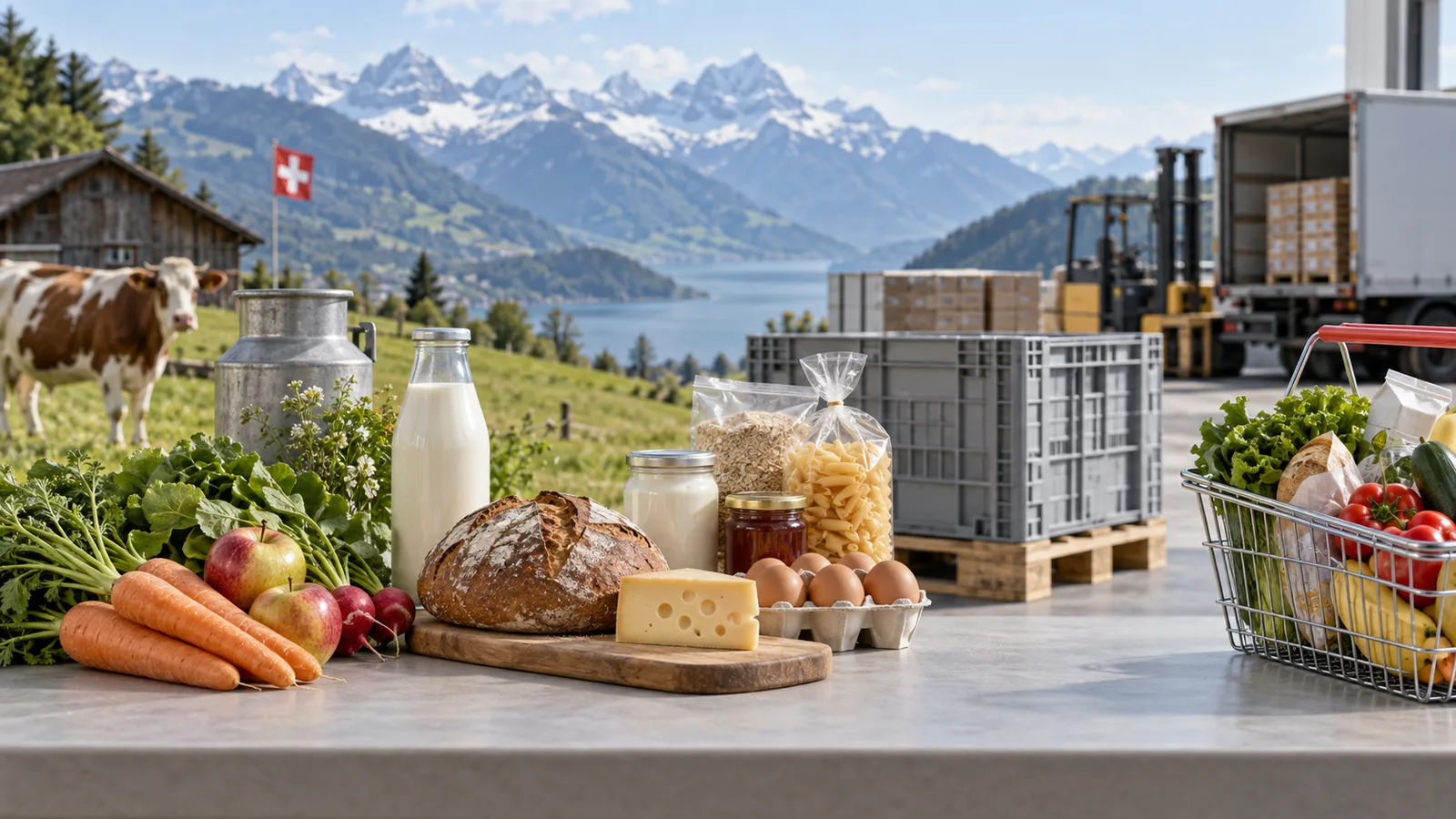
Food statistics: 54 percent self-sufficiency, 21 sugar cubes
Switzerland covers just over half of its food needs itself. The data check shows big differences between milk, meat and fish – and gaps in the statistics.

Beznau exercise: What a positive initial assessment actually means
After five days of exercises, the Federal Office for Civil Protection draws a positive initial assessment. The decisive part now is the evaluation: that is where it becomes clear whether processes also work under pressure.

76,000 apprenticeship contracts: why a stable market isn't enough
The apprenticeship market is holding at the level of previous years in 2026. For vocational education that is a good signal, but the total conceals regional and occupational differences.
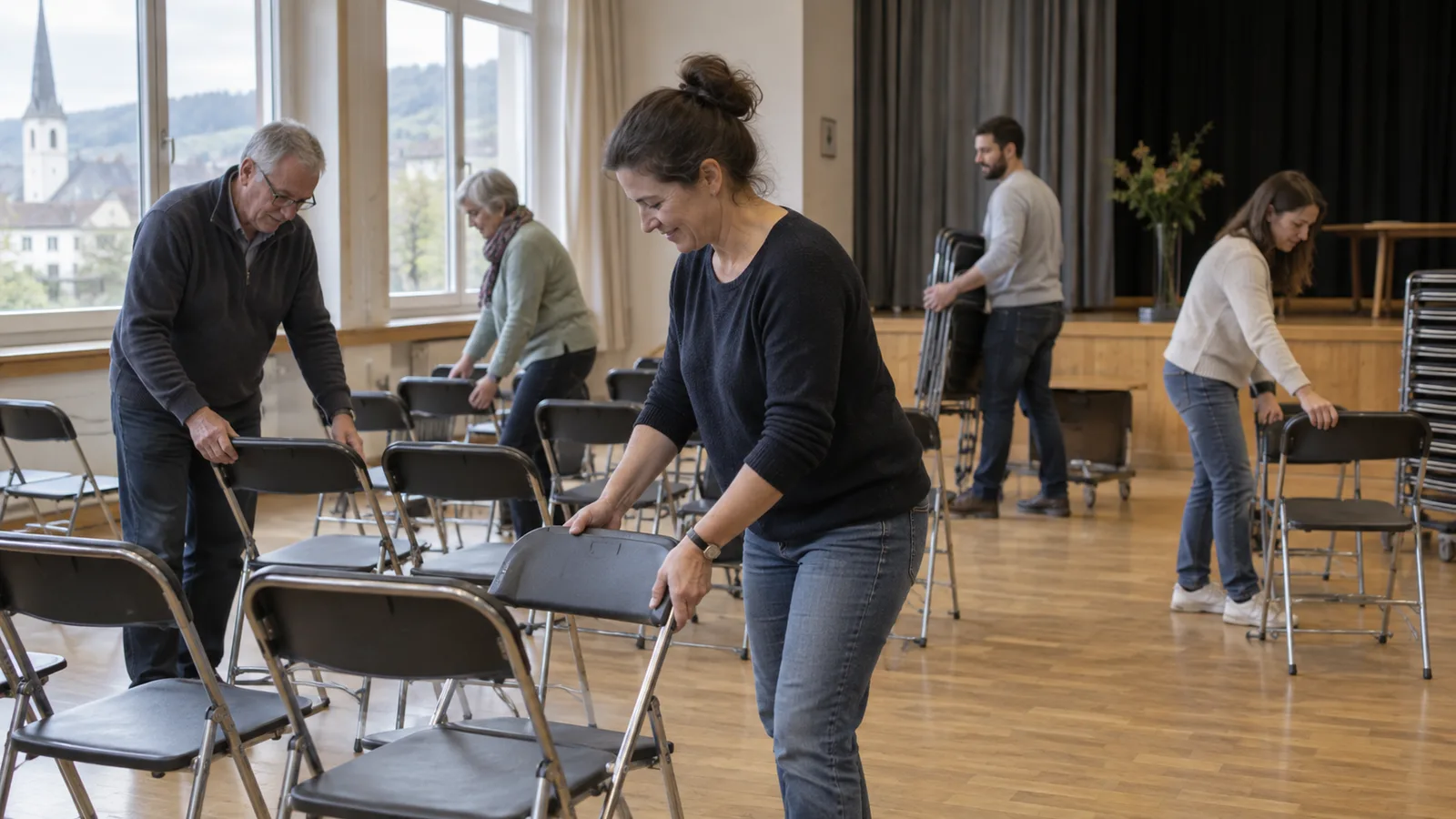
Volunteering is unpaid, but not free
Switzerland has a great deal of voluntary engagement. But anyone planning with it must also account for supervision, expenses and the time limits of volunteers.

Flat hunting: why the results list does not show everything
A new survey shows how much personal contacts matter alongside property portals. Official data and research explain why a broader search alone does not remove the hurdles.
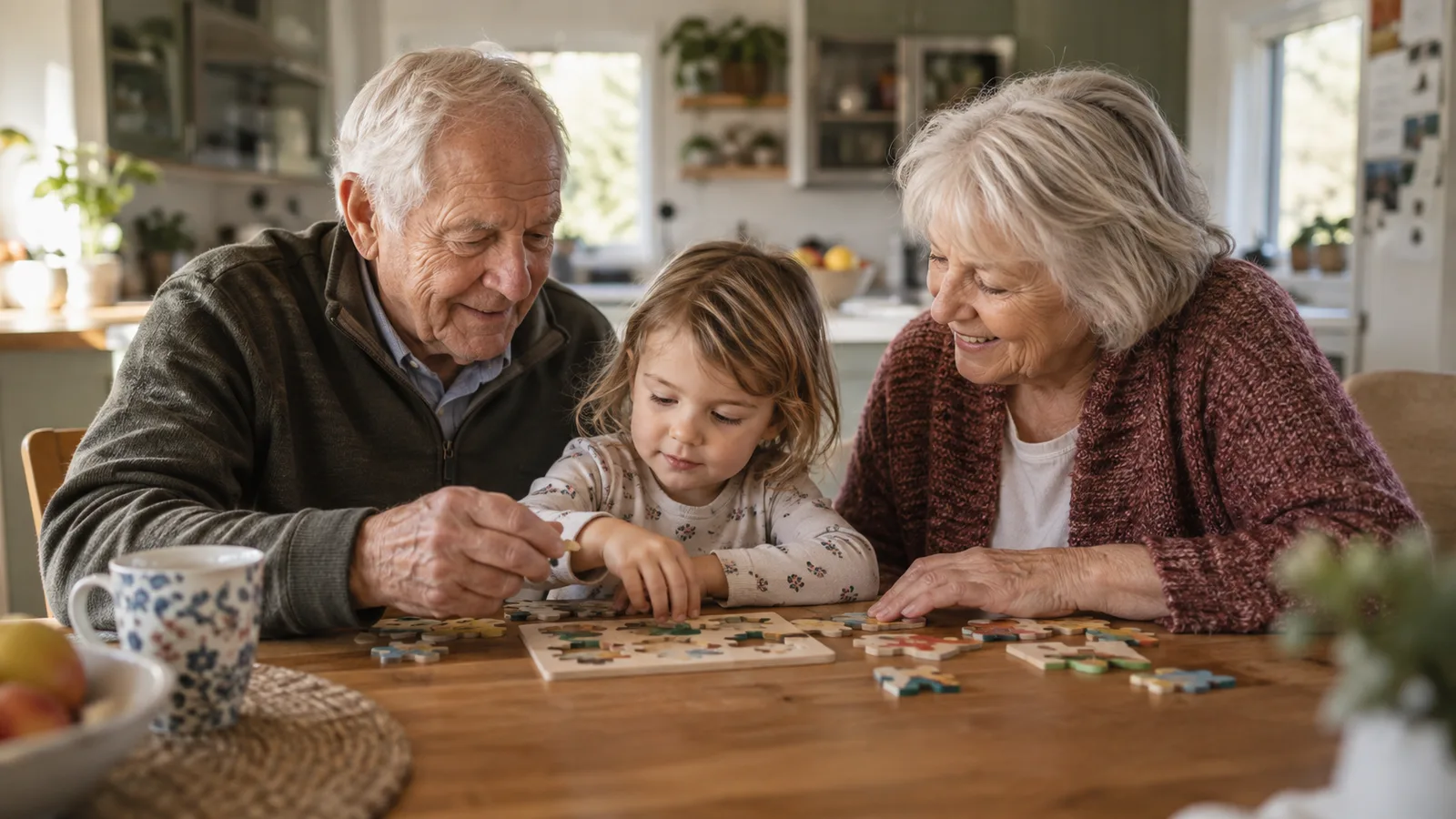
Grandparents carry the childcare – but not without limits
Grandparents are a pillar of childcare. The statistics show how much they contribute; in everyday family life, what counts is whether help quietly turns into an obligation.

The library opens on Sunday – but not always the advice desk
In Chur, the cantonal library is also accessible on Sundays. The model shows how libraries can offer more space in everyday life – and why opening the doors is not the same as offering full service.
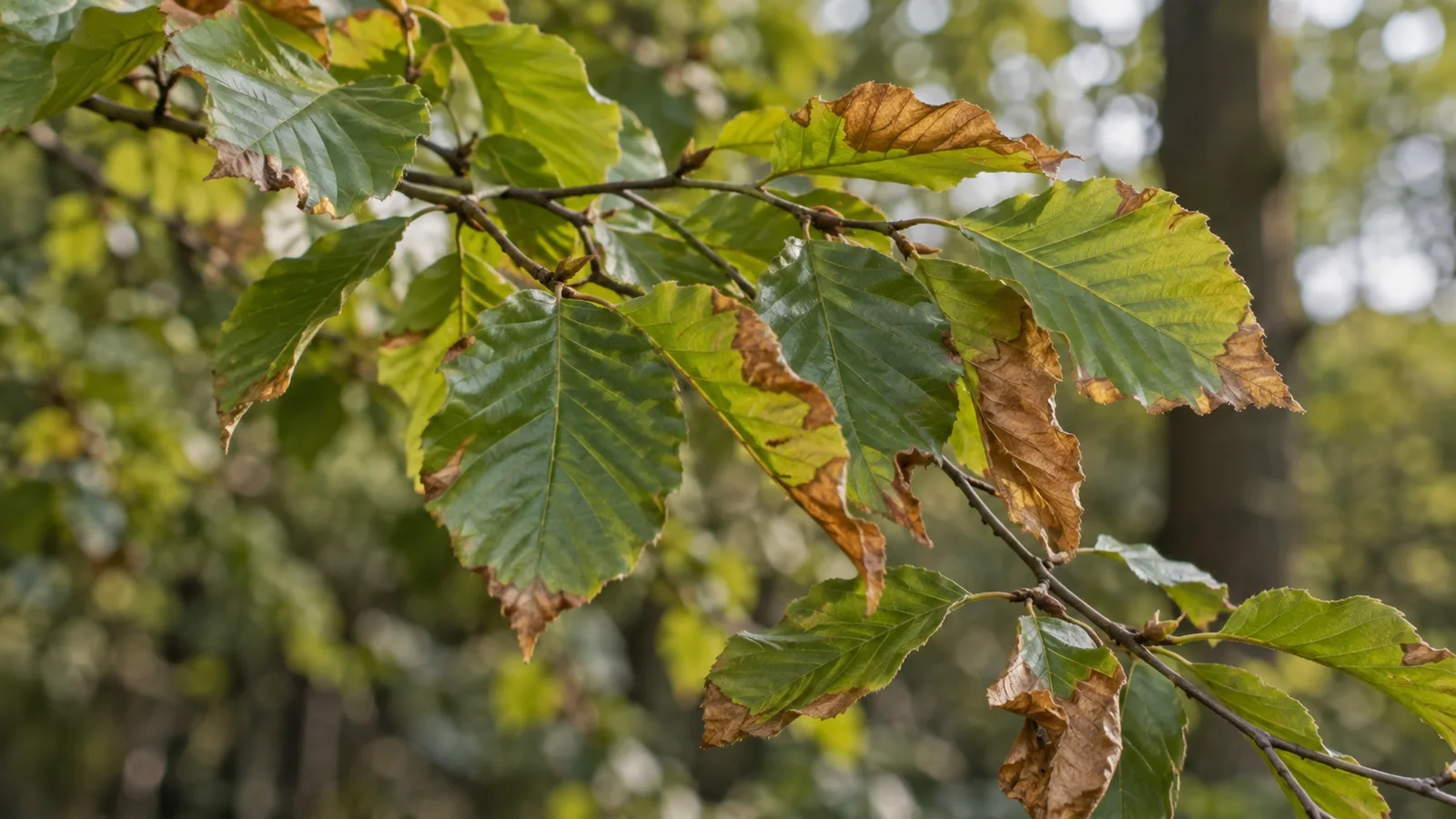
Brown leaves are not always a sign of autumn
What looks like an early autumn can be damaged foliage. WSL warns of a mix-up that also distorts the view of how resilient forests actually are.
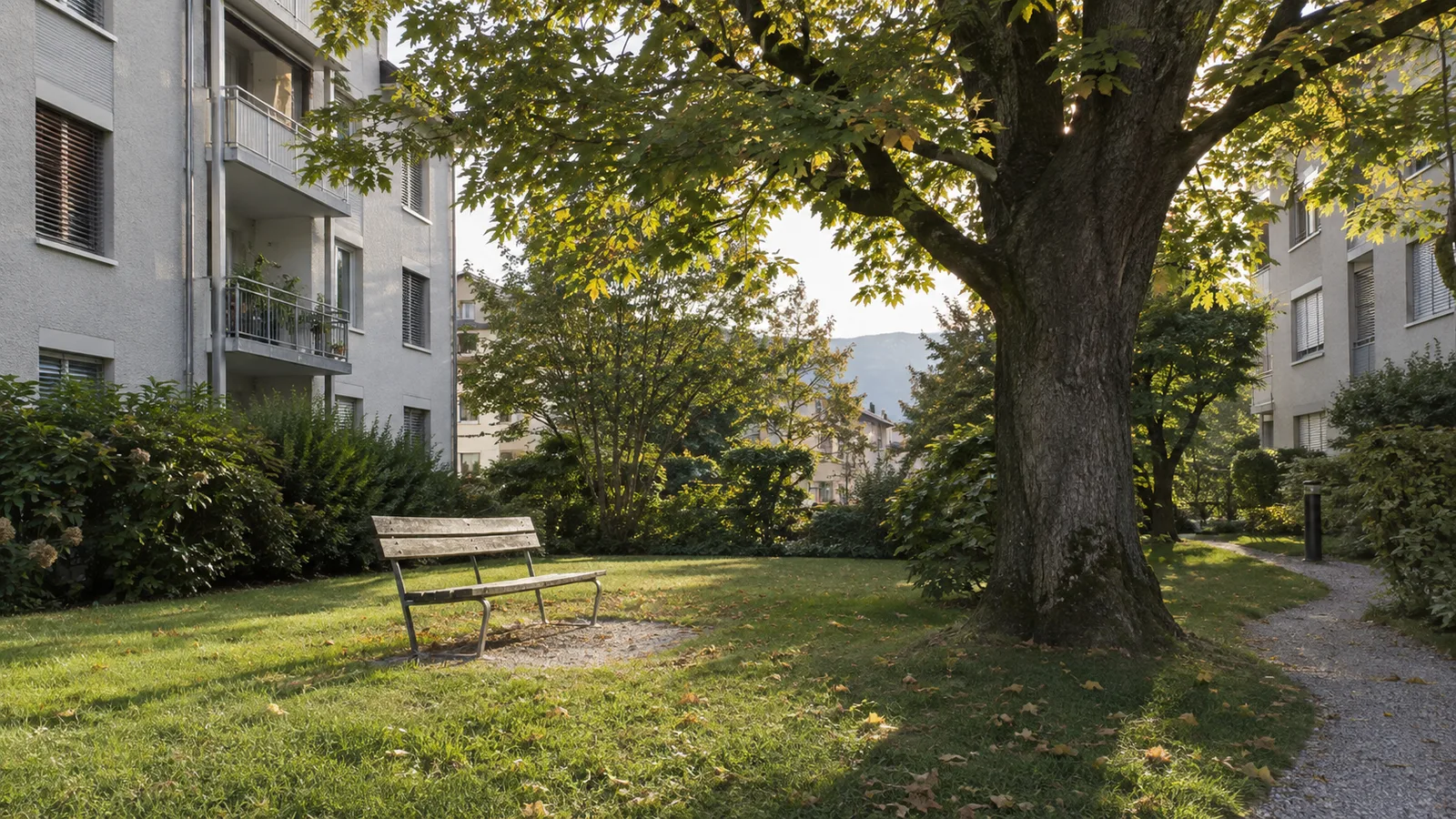
Calm does not begin at the mountain summit
Recovery does not need complete silence. Why Switzerland should take quiet places in the residential environment as seriously as a trip into the green.
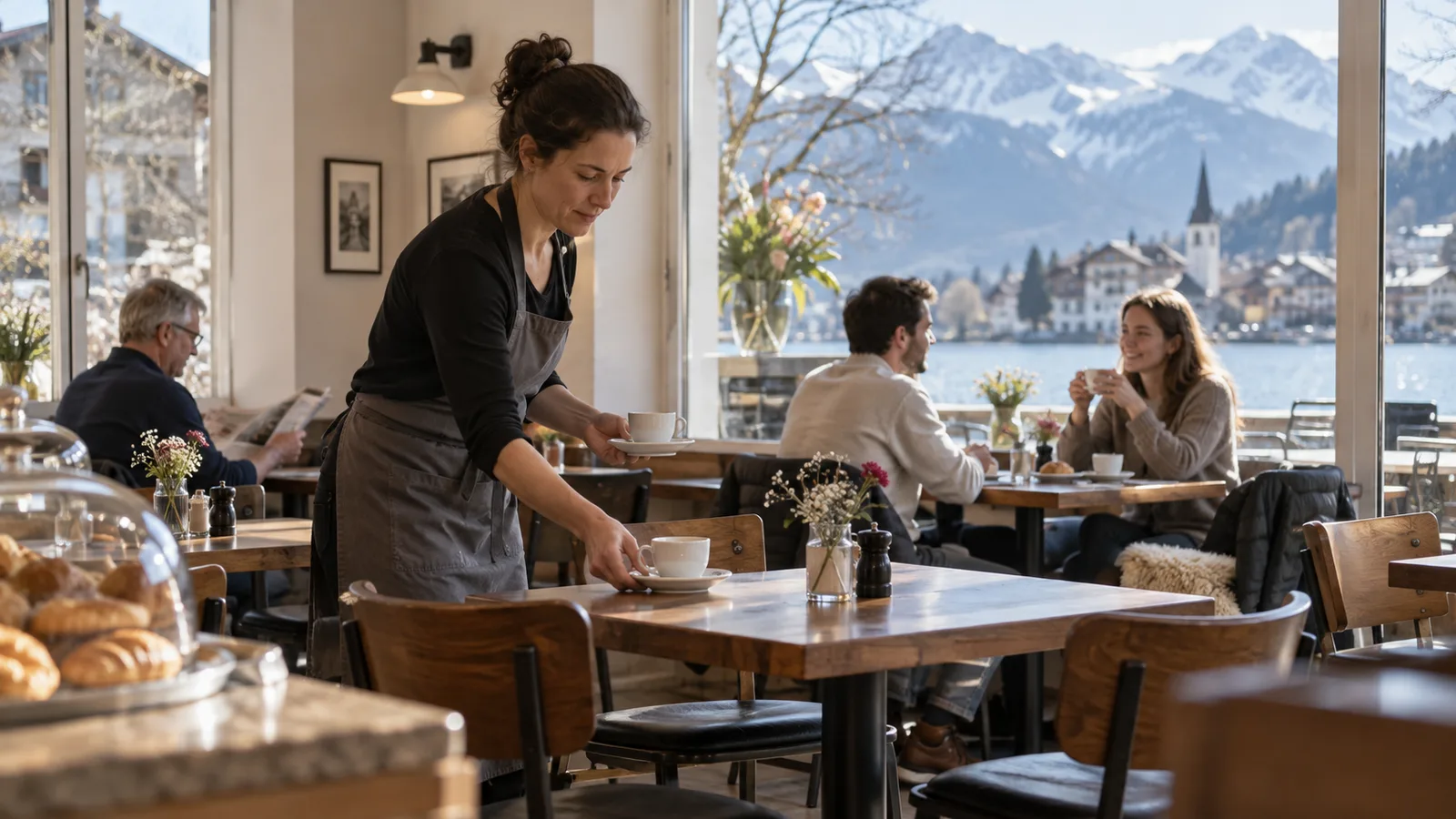
A free Sunday rests on other people's work
Anyone served or cared for on a Sunday is using someone else's working time. What the law protects – and why a free Monday does not fully replace a Sunday.
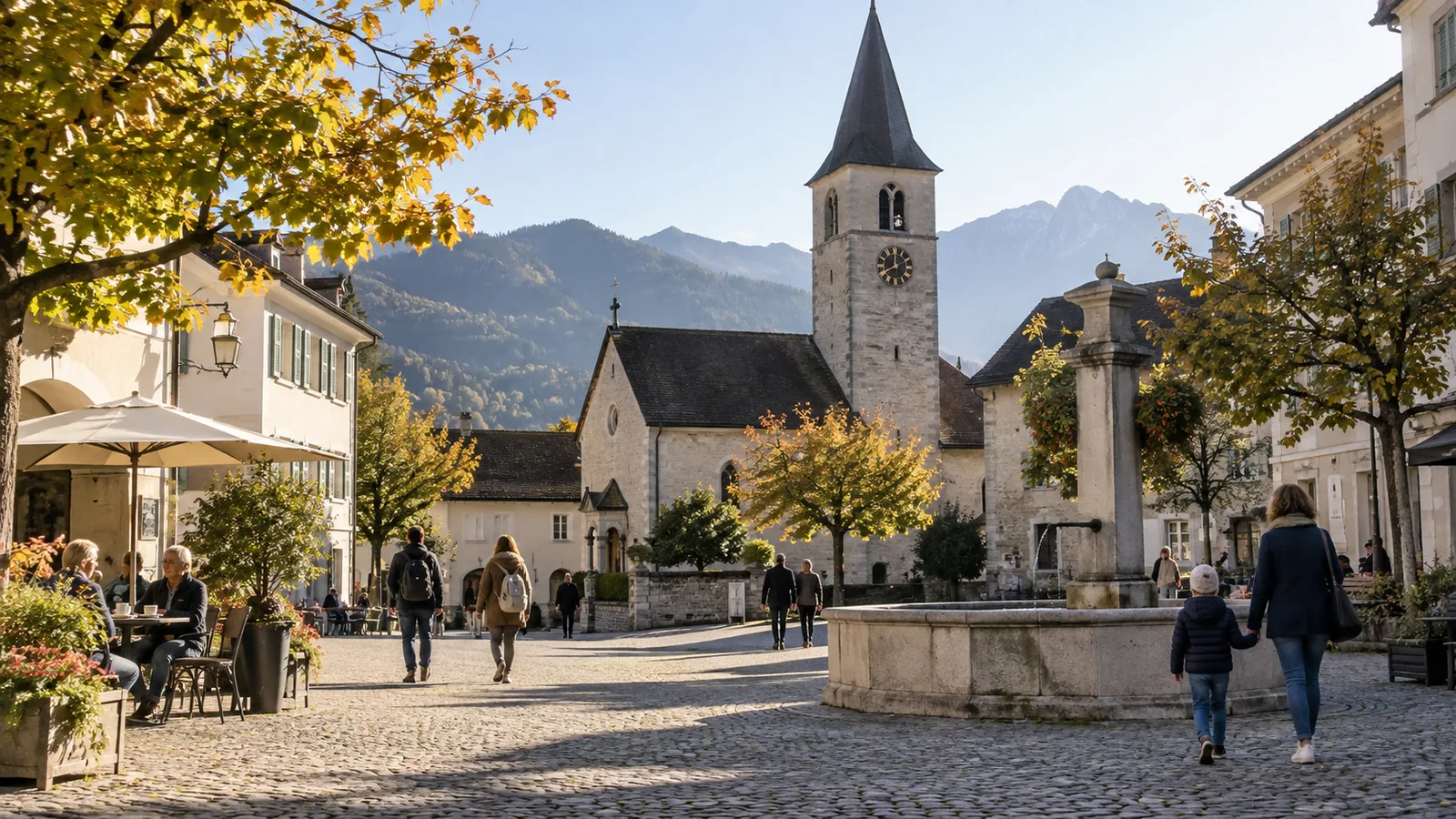
Prayer Day Without a Creed: An Old Holiday for a Secular Switzerland
People with no religious affiliation are now the largest group. The Prayer Day recalls a political attempt to bridge religious divides.
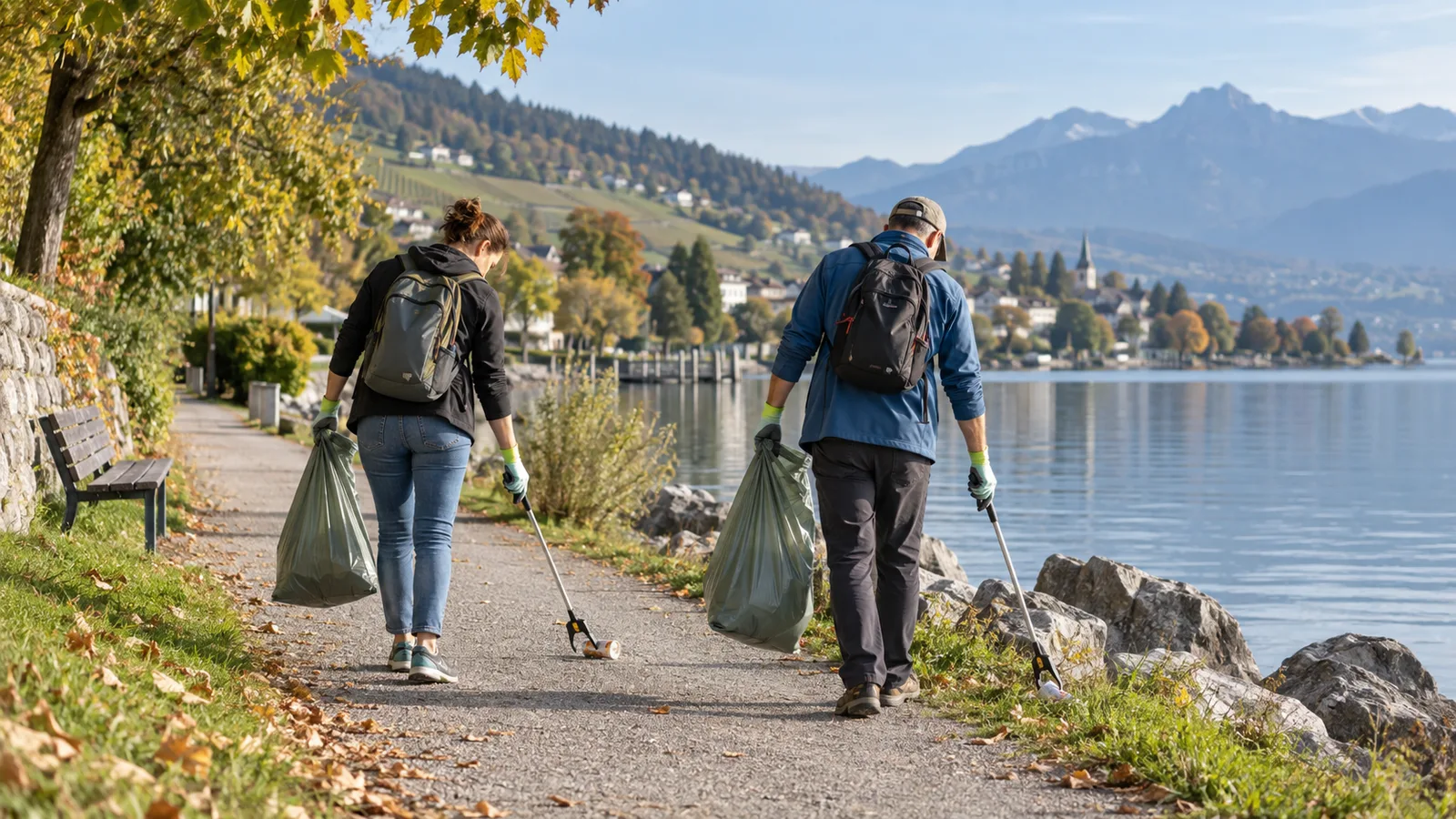
Clean-Up Day: Why Full Litter Bags Don't Prove Success
A new field study shows how littering can be reduced. Why the amount of waste collected is the wrong yardstick.
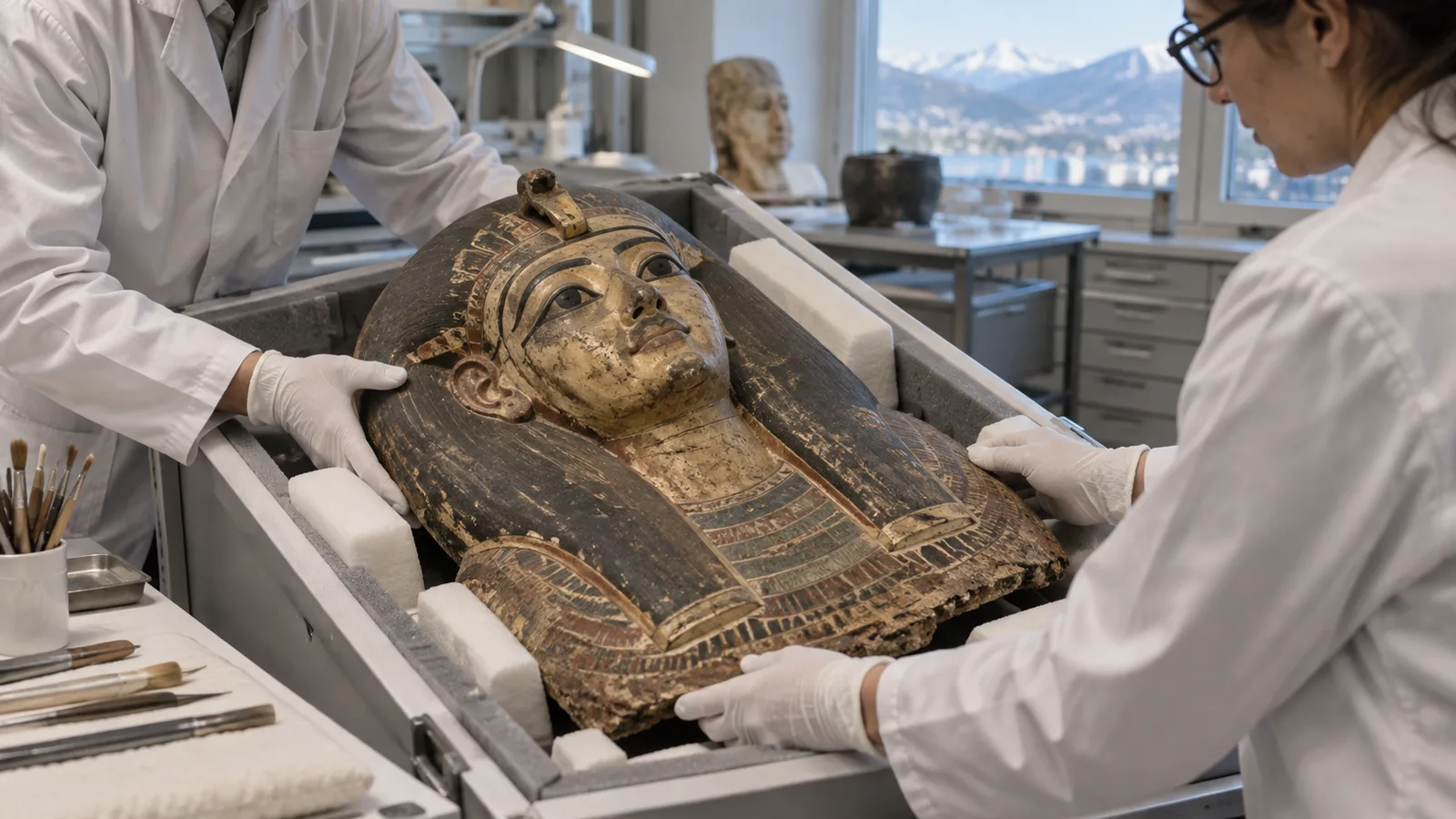
A funerary mask returns to Egypt – four years after the customs stop
Stopped at customs in 2022, now returned to Egypt: the Ptolemaic funerary mask shows how important provenance checks are in the antiquities trade.

Tax phishing: How to spot fake emails in the federal government's name
A professionally designed message is still not a government email. Five checks help you spot scam attempts – and react quickly if you have given data away.
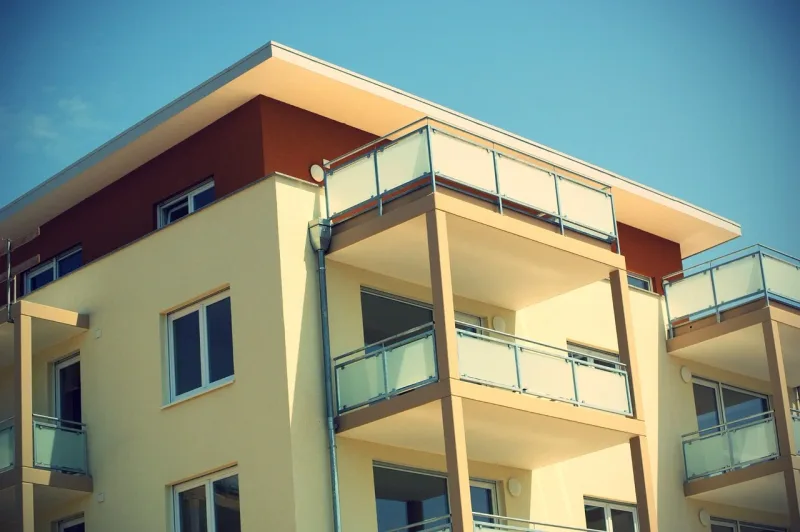
Swiss housing: who owns the buildings – and what the data omits
New FSO data show that two-thirds of recorded residential buildings belong to natural persons. But building structure and data gaps limit what the figures can say.

Learning without constant stress: why self-tests beat re-reading
Less cramming, better recall: research on study methods shows how pupils can prepare for exams without sacrificing sleep and free time.
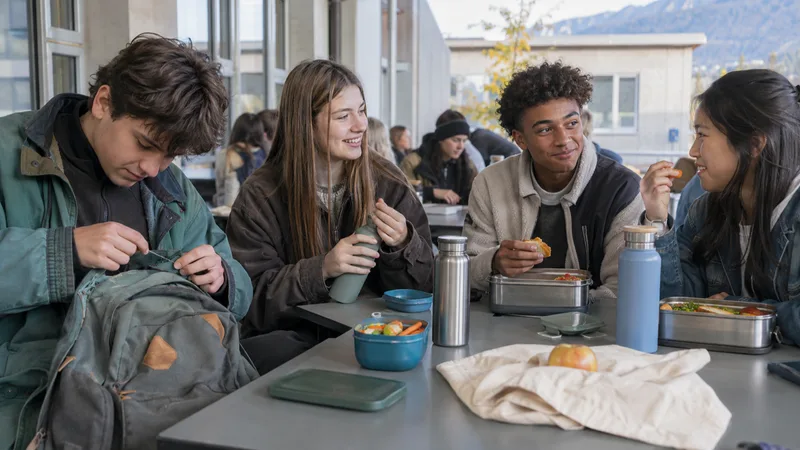
Green Teens: Seven habits that achieve more than perfect recycling
Sustainable school life without moral stress: Seven concrete habits that save waste, money and resources – and which myths lead astray.

Career choices beyond the classics: six little-known Swiss paths
Not all exciting professions are called IT specialist or business administrator. Six Swiss training paths show how broad the world of work is between technology, nature and design.
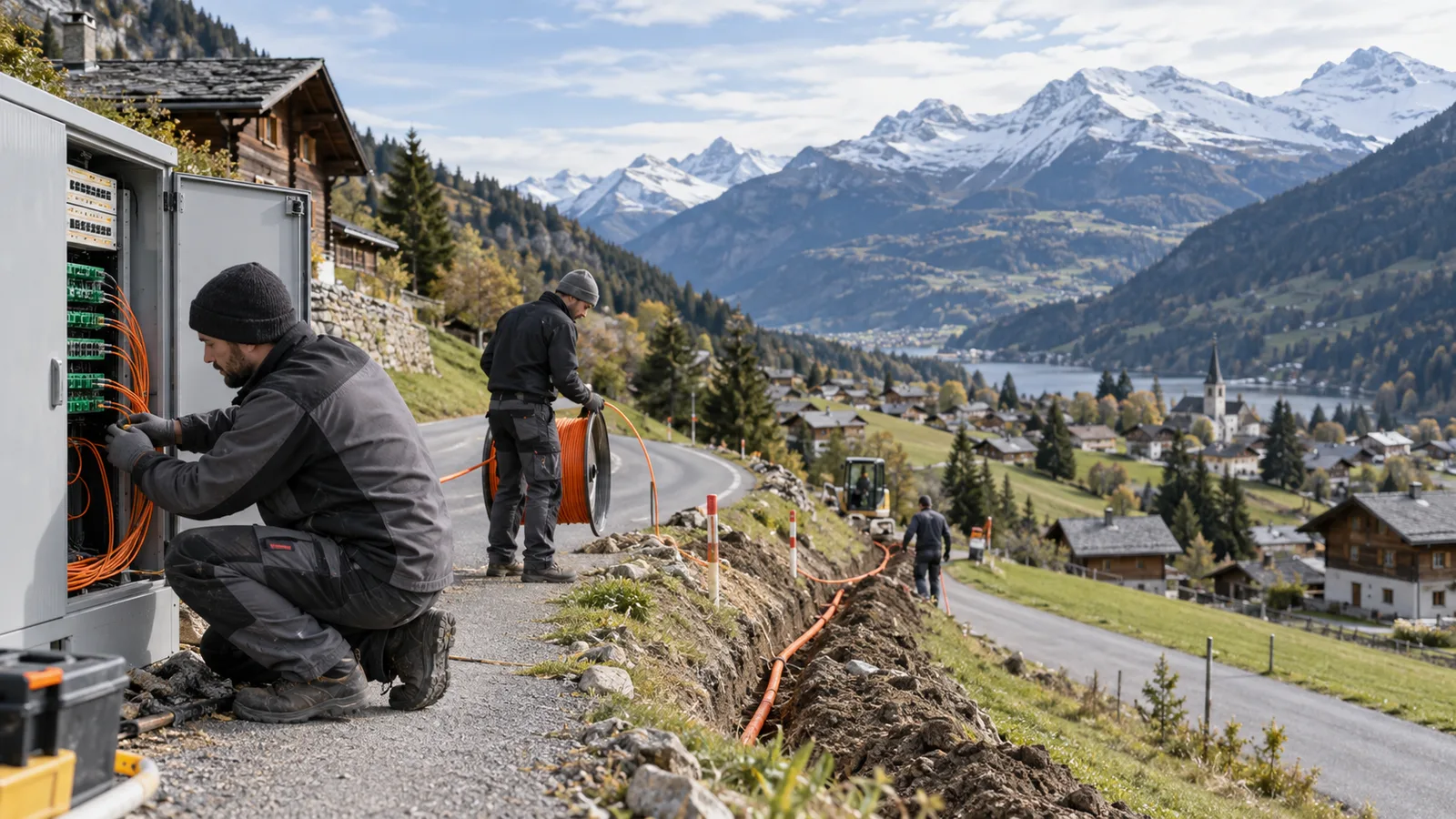
730 Million for Fiber Optic: Cantons Decide on Funding
Ten percent of households and businesses might not receive modern fixed-line access without support. The proposed funding model, however, reveals a cantonal gap.

Possible Salt Data Leak: The Real Risk Begins Afterwards
Names, addresses, phone numbers, and birth dates may have been compromised at Salt. This significantly raises the risk of convincing fraud attempts.

Switzerland Cuts Farm Data, Reduces Housing and Environment Surveys
The FSO discontinues agricultural and library surveys. Housing and environmental data will be collected less frequently, impacting policy, research, and the public.
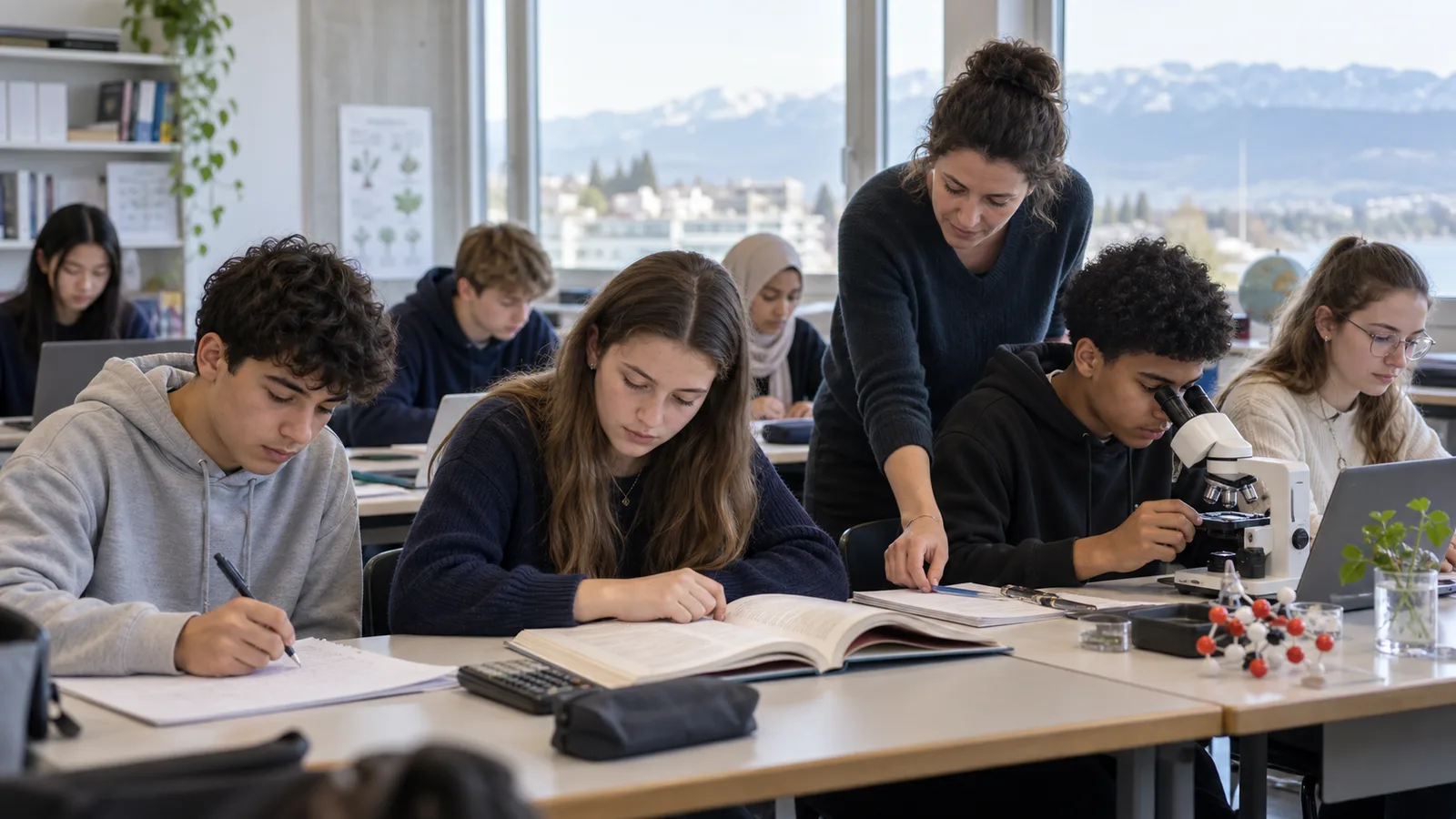
PISA 2025: Strong Country, Unequal Opportunities
Switzerland remains a high-performing country in PISA. However, behind strong average scores, a dual challenge emerges: long-term declining performance and a significant influence of social background.

Swiss Mandatory Costs Rise – Primarily Due to Premiums
Wage deductions remained almost stable over five years. Health insurance premiums, however, increased more than three times as much as the general price level.
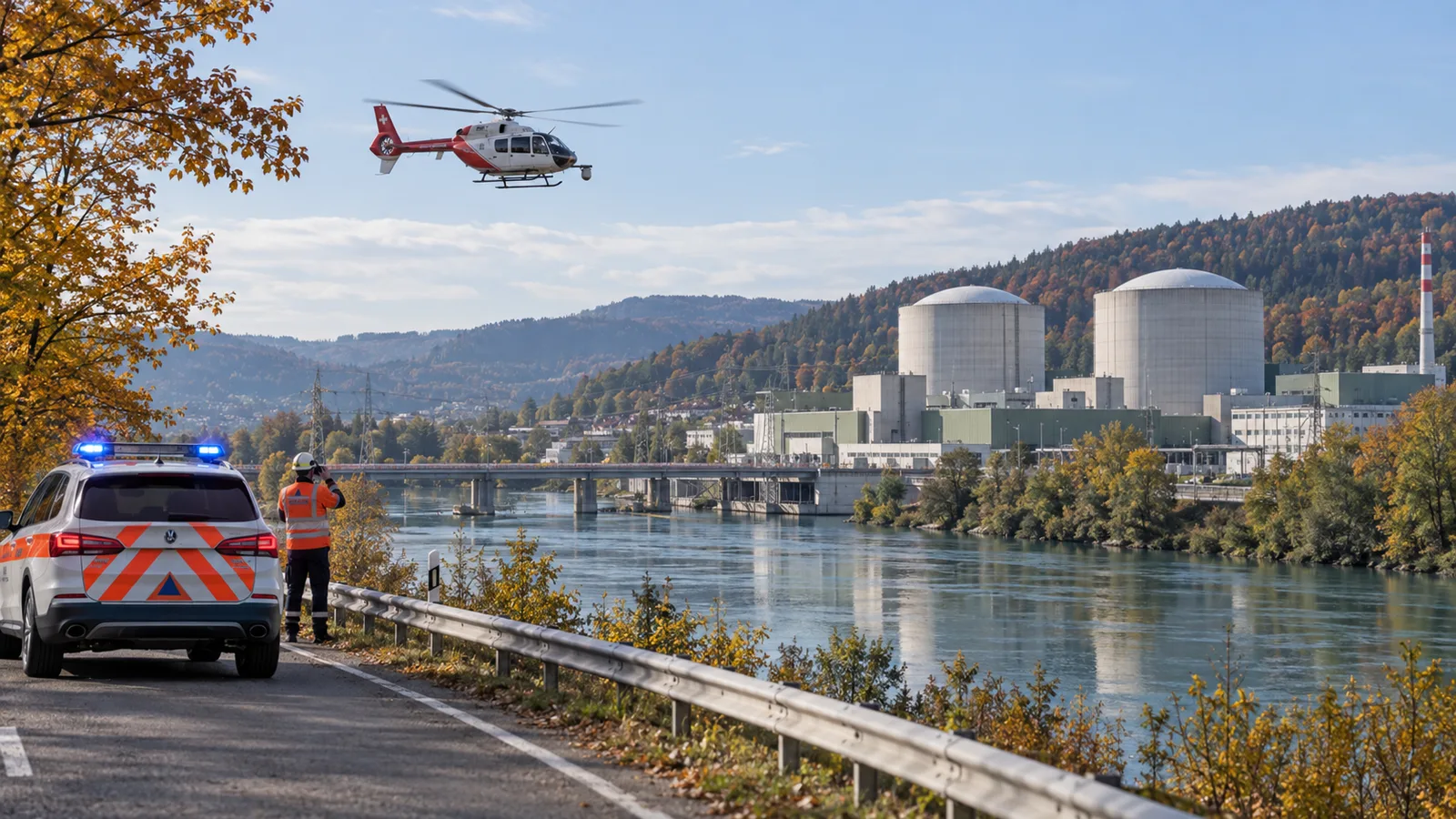
Emergency Exercise in Beznau: What Really Matters in a Crisis
From September 14 to 18, nuclear emergency preparedness around Beznau will be practiced. The public needs no action but should know how warnings, iodine tablets, and emergency conduct work.
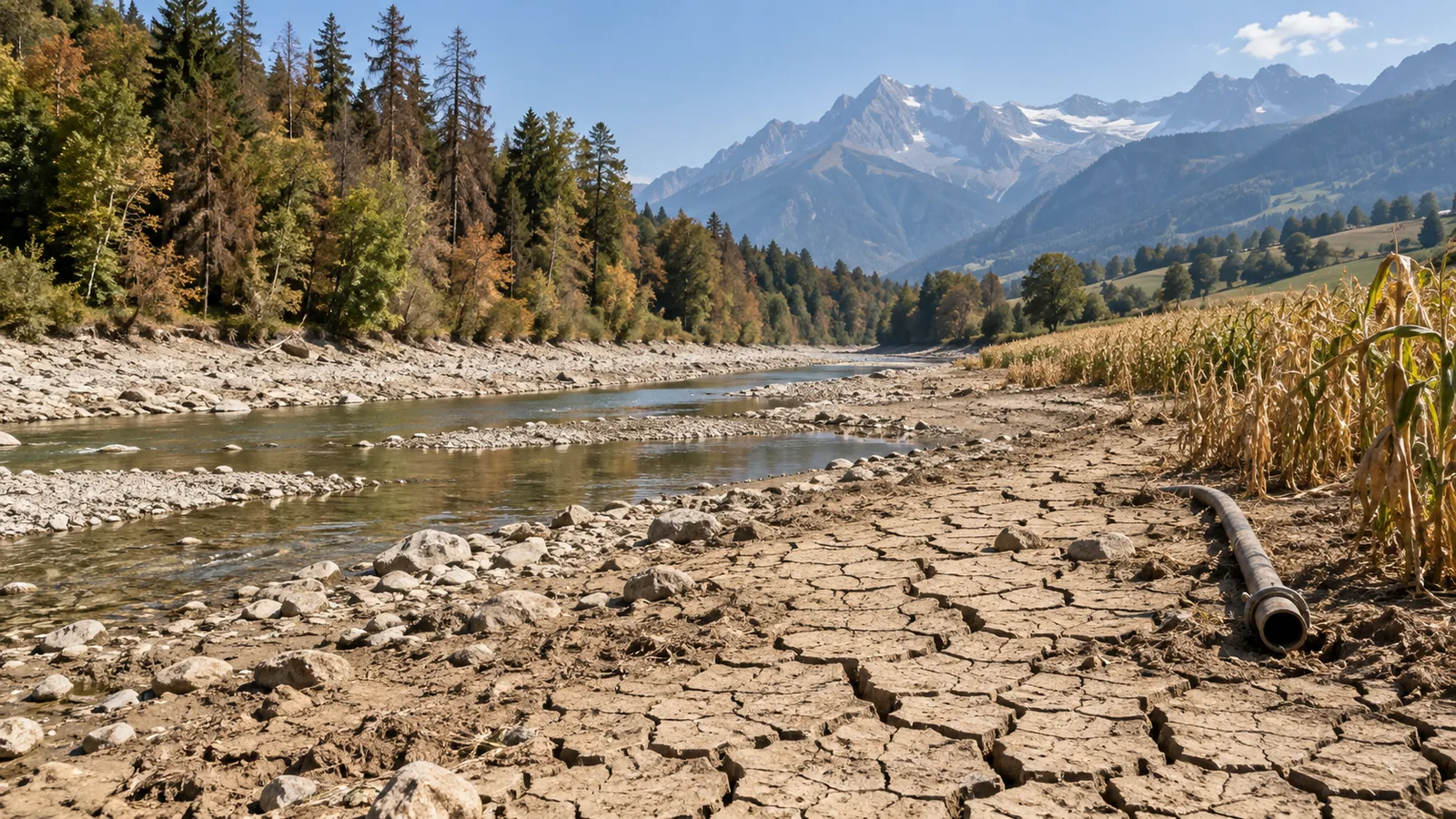
Drought Summer 2026: Where Water Scarcity Already Hits Switzerland
Rain has been scarce across much of Switzerland since spring. Authorities report exceptional dryness, causing economic and ecological impacts from farmlands to the Rhine.

Alpine Solar Systems: Expansion Progresses, Overall Balance Lacking
Alpine solar systems aim to secure part of Switzerland's winter electricity supply. The first large projects are now delivering power, with more under construction or planned. At the same time, the actual contribution of alpine solar power remains unclear: The Federal Office of Energy provides current data on reported large photovoltaic systems, but an easily accessible overall balance of the actual electricity produced by all alpine systems is not available.