First Swiss F-35A signed — the cost dispute remains
The signature on the first F-35A marks visible production progress. It is neither the technical acceptance nor an answer to the dispute over costs and the fixed price.
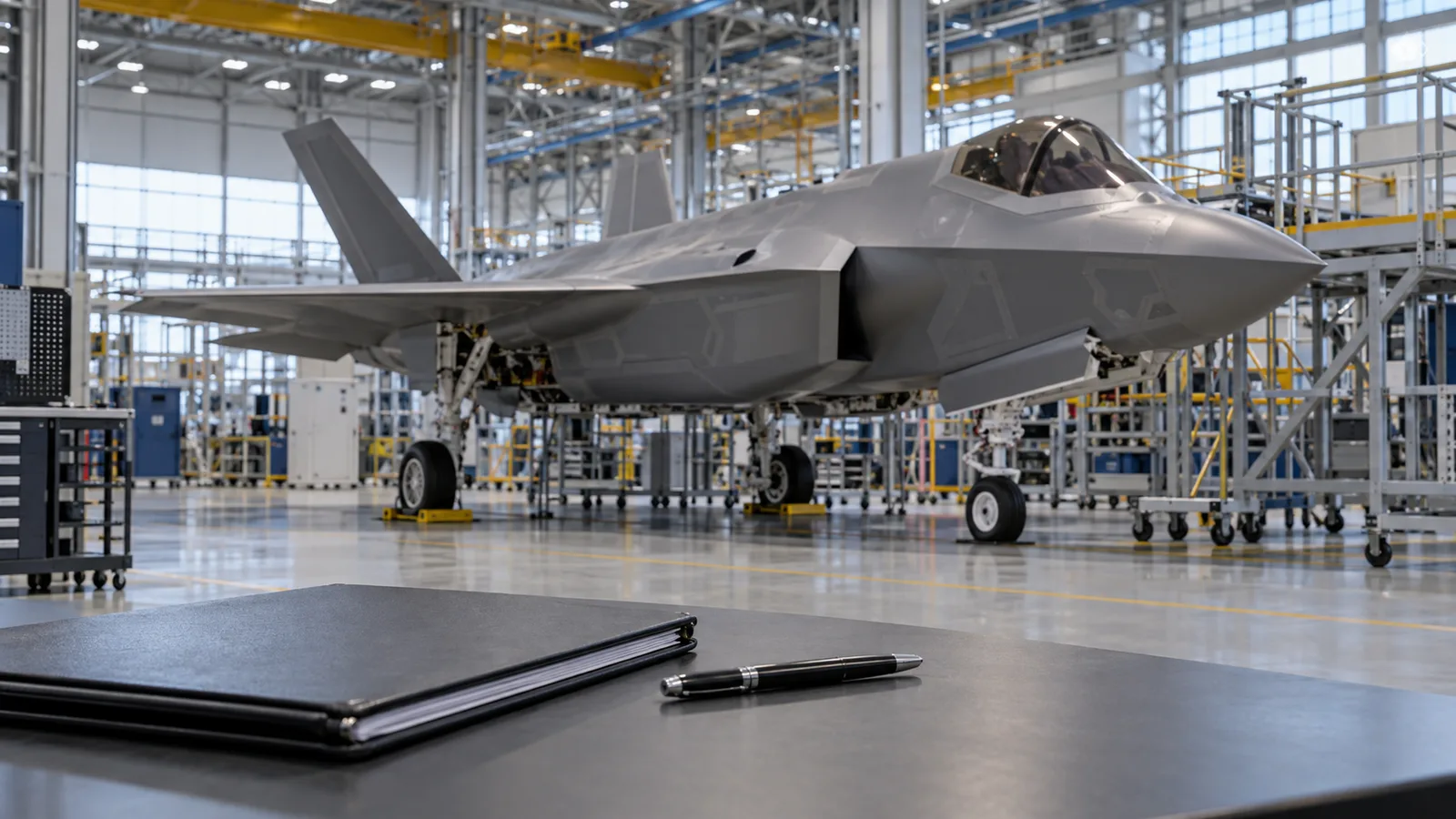
The first F-35A intended for Switzerland has reached a visible production milestone: according to the federal government, a Swiss delegation has signed the aircraft. The image works as a symbol of the transition from contract to physical procurement. Technically and financially, however, the work is not finished.
A signature on an aircraft is not a military acceptance and not a delivery. Assembly, system integration, checks and test flights come before handover. Only once the contractual and technical requirements are met can an aircraft be assigned to the training or operational use it is intended for.
The first jets will initially stay in the USA
The procurement plan provides for a total of 36 F-35A. According to armasuisse, the first eight aircraft are to be delivered in the USA in 2027. There they serve to train Swiss pilots and ground personnel. Towards the end of 2029 these aircraft are to be transferred to Switzerland.
Further aircraft will be manufactured in Europe. Eight aircraft from final assembly in Cameri, Italy, are planned for 2028; ten more are to follow in each of 2029 and 2030. The schedule thus spreads introduction, training and the build-up of logistics over several years. A production step on the first aircraft proves progress, but does not automatically guarantee every later date.

Why the price was not signed off along with it
The commitment credit for the procurement amounts to 6.035 billion Swiss francs. In the official documents, armasuisse refers to the exchange rate used in the calculation and to the contracts with the US government. What remains politically contested is the extent to which Switzerland is protected against later cost increases and what position the USA takes on the claimed fixed price.
The new signature does not change this dispute. It creates neither new proof of price nor does it remove risks relating to exchange rates, inflation, retrofits, infrastructure or operations. For a complete view of costs, procurement and lifecycle costs must be separated: the purchase price is not identical to spending on operations, personnel, maintenance, ammunition and later modernisation.
Milestone and oversight belong together
Following earlier reports and parliamentary criticism, the procurement is under special scrutiny. Precisely for that reason, the federal government should document production progress and open risks in parallel. A photo from the assembly line conveys momentum; for political oversight, delivery records, contract positions and updated cost ranges count as well.
Switzerland is buying the jets through the American Foreign Military Sales procedure. In that arrangement, the US government is the contracting party. This creates state structures for delivery and processing, but does not relieve Switzerland of every uncertainty in the international production chain. The F-35 is built for several states and in various plants; delays in software, components or tests can spread across the programme.
What remains open until arrival
For the air force, a long introduction phase begins with the first training aircraft. Personnel must be trained, infrastructure adapted, logistics built up and integration into Swiss air defence examined. Only the interplay of these elements determines when the new fleet can be used operationally.
The current milestone is therefore neither insignificant nor the conclusion of the procurement. It shows that the first aircraft is taking shape. For parliament and the public, three checks remain decisive: Does the delivery schedule hold? Do the aircraft match the agreed capabilities? And what costs will Switzerland ultimately bear?
The most credible communication combines both: documented progress in production and the still unresolved financial questions. A signature can mark the beginning of an aircraft's life. It does not draw the final line under the political debate.