Voting Sunday: Two initiatives, two constitutional decisions
On 27 September, Switzerland votes on neutrality and food. A joint guide shows what is being decided – and what is not.
On Sunday, 27 September 2026, Switzerland will decide on two federal popular initiatives. Both would amend the Federal Constitution, but their effect would be fundamentally different: the neutrality initiative concerns freedom of action in foreign and security policy, the food initiative the direction of the Swiss food system.
JournalPlus has already analysed the individual questions of both proposals. This guide places them directly side by side: what does a Yes mean, what remains with a No – and which claims reach further than the ballot text itself?
Neutrality: a practice would become a constitutional rule
The neutrality initiative demands «perpetual and armed neutrality». Switzerland would not be allowed to join any military or defence alliance. Cooperation with such alliances would be permitted only in the event of a direct military attack on Switzerland or in preparation for one.
The sanctions clause is particularly contested. In principle, Switzerland would not be allowed to take part in non-military coercive measures against states at war. Exceptions would be obligations towards the United Nations and measures that prevent other states from circumventing sanctions through Switzerland. Good offices and mediation would remain expressly possible.
A Yes would therefore not create neutrality for the first time; Switzerland is already neutral. What would be new is the narrower practice anchored at constitutional level. The Federal Council and Parliament warn that this would restrict foreign-policy flexibility and make coordinated responses to violations of international law more difficult. The initiative committee argues the opposite: clear rules would strengthen credibility and peace policy.
Food: 70 percent from domestic production
The food initiative demands that Switzerland promote the production and consumption of healthy food that is environmentally and animal friendly. No later than ten years after adoption, at least 70 percent of food consumption should come from domestic production. The text also names more plant-based foods, clean drinking water and resource-conserving agriculture.
Today, the degree of self-sufficiency depends heavily on whether imported feed and different calculation methods are taken into account. The required 70 percent is therefore not simply an extension of a single statistic, but a political target with consequences for production, consumption, imports and possibly prices.
The Federal Council and Parliament consider the requirement too far-reaching and unrealistic within the deadline. Supporters see it as a binding transformation towards a more resilient and healthier diet. The initiative text leaves open which instruments the Confederation and the cantons would use to achieve the target exactly. That design would be a matter for later legislation.

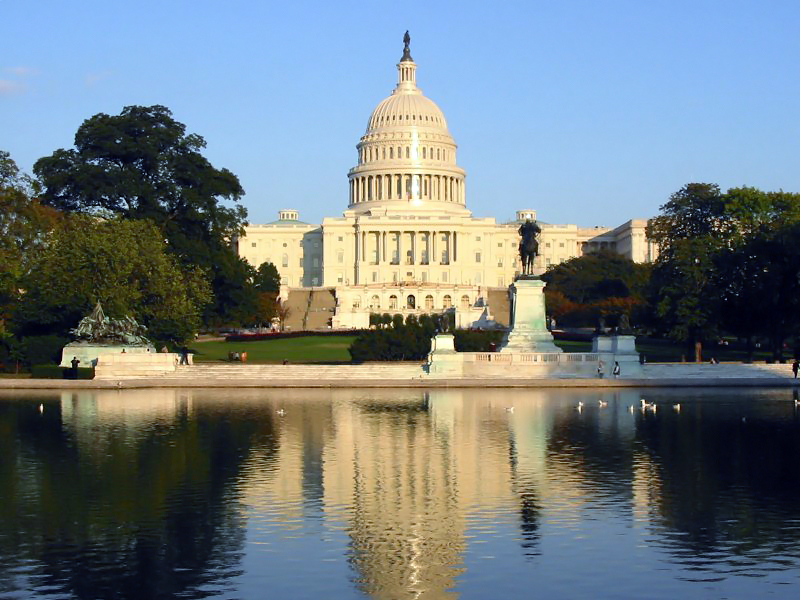
The two initiatives concern different areas, but both would amend the Federal Constitution. Image: JournalPlus / AI-generated symbolic image.
Two common shortcuts
A Yes to the neutrality initiative would not automatically mean leaving all international cooperation. It would, however, define the room for manoeuvre on sanctions and military cooperation more narrowly. Likewise, a No does not mean the abolition of neutrality: the current legal situation and practice would remain in place.
With the food initiative, a Yes guarantees neither an immediate 70 percent domestic share nor a particular retail price. It sets a constitutional mandate and a ten-year deadline. A No, in turn, does not end existing agricultural, environmental or food policy; ongoing programmes remain in place.
How the decision is reached
As constitutional initiatives, both proposals require a double majority: a majority of the valid popular votes and a majority of the cantonal votes. The proposals are assessed separately. Voters can therefore vote Yes or No twice, independently of each other.
The National Council recommends rejecting the neutrality initiative by 124 votes to 65 with 5 abstentions; the Council of States by 29 to 10 with 5 abstentions. On the food initiative as well, the Federal Council and Parliament recommend a No; the final votes in both chambers were unanimous. These recommendations are political positions – the decision is made at the ballot box.
The common denominator of this vote is not the topic but the scope. In both cases, the question is one of binding constitutional goals whose concrete implementation would have to be negotiated later. Anyone voting should therefore distinguish between wording, political intent and possible consequences.
Why the ballot text matters more than the title
Both proposals amend the Federal Constitution. They therefore require the double majority of the people and the cantons. A Yes establishes the constitutional mandate; many practical consequences would only be spelled out in laws and ordinances. For the decision, it is therefore worth looking at the wording, the transitional provisions and the Federal Council's explanations. Campaign slogans condense the conflicts, but they rarely answer which responsibilities change immediately and which would first have to be negotiated politically.