Care robots in China: pilot projects instead of replacement
China is testing robots in nursing homes, municipalities and households. The technology is meant to help with daily life and monitoring – it does not yet replace human care.
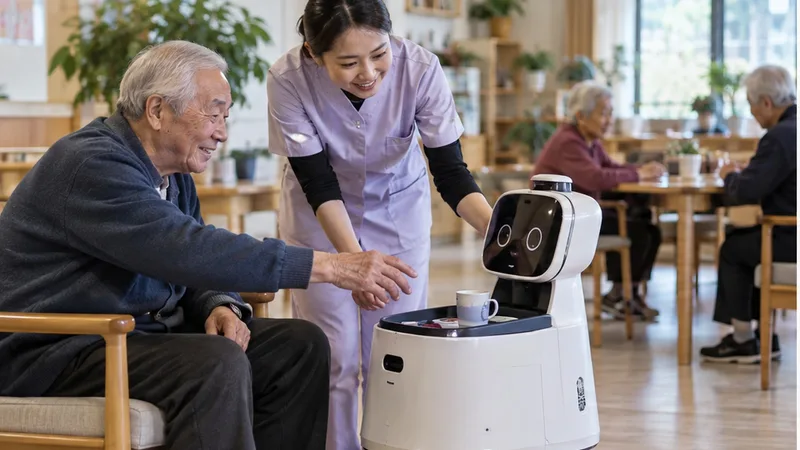
Humanoid robots are appearing in Chinese care facilities: they massage shoulders, measure health data or hold short conversations. Images from these tests give the impression of a glimpse into the near future. Solid documents, however, paint a more sober picture: China is running pilot programmes. Routine large-scale use in place of care staff is not documented.
The political pressure is real. According to the official sample survey, around 321.2 million people aged 60 and over were living in China at the end of 2025. That was 22.9 per cent of the population; 223.1 million were at least 65 years old. At the same time, the share of the working-age population is shrinking. The question is therefore not whether technology will be used in care, but which tasks it can take on safely.
The state demands tests, not quick promises
The Chinese Ministry of Industry and Information Technology and the Ministry of Civil Affairs launched a joint programme in 2025 for intelligent robots intended for services to older people. It runs until 2027 and covers households, municipalities and care institutions. The authorities name five areas: assistance with disability and dementia, emotional companionship, health promotion, the smart living environment and help with daily life.
The requirements show how early-stage the market still is. Applications must be tested for at least six months. For products intended for domestic use, tests are planned in at least 200 households with at least 200 devices. In municipalities or institutions, at least 20 sites and 20 devices must be involved. The evaluation criteria are safety, reliability, ease of use, suitability for older people and cost-effectiveness.
That is more than a technology demonstration, but less than proof of clinical usefulness. The pilot programme figures still say nothing about a system's ability to reliably detect falls, to remember medication correctly or to work with little maintenance under real-world conditions. That requires published results, control groups and clear rules on liability.
Where robots can genuinely help
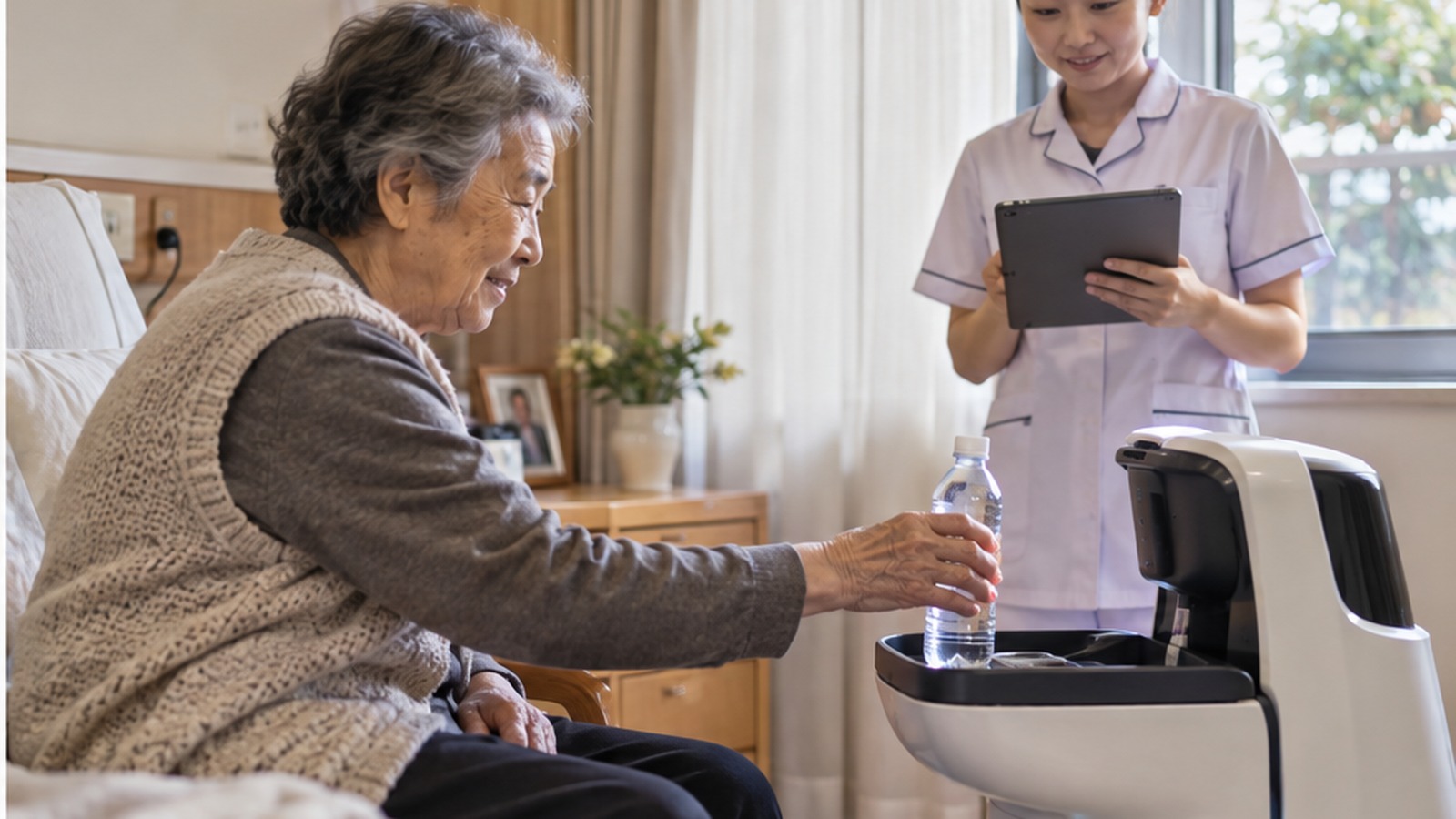
Clearly defined tasks are the most plausible. Mobile devices can carry objects, guide simple exercises or transmit sensor readings. Lifting and transfer aids can reduce physically demanding work. Digital companions can remind people of appointments or create a link with relatives and specialists.
Yet it is precisely this assistance that can be valuable if it frees up time for human care. It can also generate additional work: devices have to be installed, cleaned, monitored and repaired. False alarms mobilise staff; unnoticed events can become dangerous. For people with dementia, consent, orientation and the handling of unexpected reactions are added.
Nor do robots replace professional assessment. Care includes observation, prioritisation, communication, recognition of pain and crises, and responsibility. A device can perform a movement or report data. Deciding whether a symptom is benign, whether drug therapy needs adjusting or whether a conversation takes priority remains a professional decision.
The sensitive side of data use
Health monitoring means that sensitive data is produced: images, voice, movement profiles, vital signs and information about habits. In nursing homes and private homes, it is therefore crucial to know who stores the data, how long it is kept and whether residents can effectively object.
The notion of “emotional companionship” also requires limits. A system can produce conversational patterns without possessing feelings or responsibility. If it is presented as a human substitute, deception and greater isolation threaten. Conversely, as a technical aid clearly identified as such, it can ease loneliness or facilitate contact.
What Switzerland can learn from it
Switzerland is ageing too and is looking for care staff. The Chinese pilot programme therefore does not provide a ready-made model, but a useful roadmap: first define concrete tasks, then test under real conditions, set safety and quality standards, and only then decide on large-scale purchases.
Success should not be measured by how human a robot looks. What matters is whether it demonstrably reduces the workload, increases autonomy and avoids errors – without eroding attention to people, data protection and responsibility. The shortage of qualified staff is a reason to turn to technology. It is not a reason to take shortcuts in evaluating it.
Humanoid robots are appearing in Chinese care facilities: they massage shoulders, measure health data or hold short conversations. Images from these tests give the impression of a glimpse into the near future. Solid documents, however, paint a more sober picture: China is running pilot programmes. Routine large-scale use in place of care staff is not documented.
The political pressure is real. According to the official sample survey, around 321.2 million people aged 60 and over were living in China at the end of 2025. That was 22.9 per cent of the population; 223.1 million were at least 65 years old. At the same time, the share of the working-age population is shrinking. The question is therefore not whether technology will be used in care, but which tasks it can take on safely.