
Apple brings touch to the Mac – from 2,799 francs in Switzerland
The new MacBook Pro adds a touch-sensitive OLED screen to the keyboard and trackpad. The price and launch date for Switzerland are also fixed.
Apple presented a MacBook Pro with a touch-sensitive screen on 28 October 2026. The novelty is not limited to a vague launch at some later date: the device can already be pre-ordered in the Swiss store. The smaller model starts at 2,799 francs, the larger one at 3,299 francs. Apple names 6 November as the availability date. The figures apply to the Swiss offers posted on 28 October.
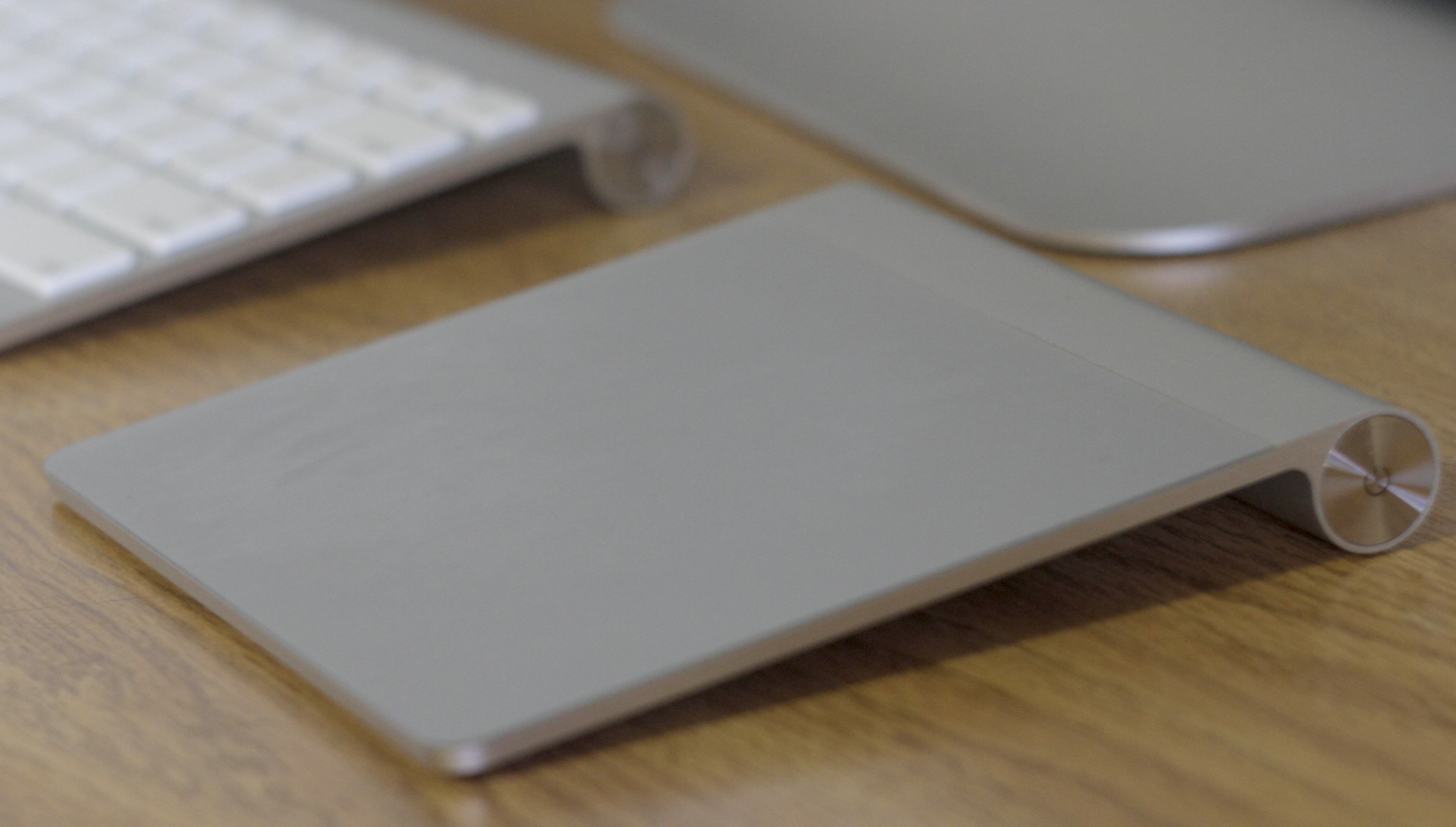
The more important change concerns operation. In future, fingers should be able to scroll directly on the Mac screen, enlarge images or move objects. The keyboard and trackpad remain. Apple is thus not turning the notebook into a device that must be controlled exclusively via the screen. Whether the additional input really saves time in everyday use cannot be judged from a product announcement alone.
Not every new MacBook Pro has touch
When comparing models at the point of purchase, the full model designation matters. The touch version carries the suffix «PROLED XDR Display» and uses M5 Pro or M5 Max. Alongside it, Apple lists a separate MacBook Pro series with Liquid Retina XDR Display. That series also includes the new 14-inch model with M6, but no touchscreen. A newer chip name therefore does not automatically mean the new display here.
The Swiss overview page distinguishes tandem OLED with PROLED XDR and mini-LED with Liquid Retina XDR. It lists screen diagonals of 14.2 and 16.3 inches for the touch series. These are different technical and functional offers, not merely different equipment tiers of the same display technology. Anyone comparing retailer offers should therefore assign display and chip first, before assessing the price difference.
Brightness figures also reward close reading. Apple states up to 2,000 nits peak brightness, but the Swiss comparison page lists up to 1,000 nits sustained full-screen brightness. A peak is not a promise for every screen area and every usage situation. Anyone who wants to judge photos outdoors or work on bright documents for long periods should pay attention to the measurement conditions and to practical comparison tests.
More options are not yet proof of productivity
Apple describes touch as a complement for specific tasks: for instance moving presentation elements, editing visual content or playing software instruments. According to the company, macOS translates touches in existing applications into clicks. Additional interfaces are available for adapted programs. That argues for a gradual transition, but does not prove that every professional application is already equally well suited to finger input.
This is where the difference between an available function and its benefit lies. Someone who works with keyboard shortcuts every day will not become faster merely because the same button can also be tapped. In image selection or an instrument, by contrast, direct access can open up a different workflow. These are plausible use cases, not demonstrated time savings. Such claims would first have to be tested by independent trials with clearly named tasks.
Comparing Swiss prices requires the full configuration
The entry prices quoted do not apply to every combination of chip, memory and SSD. The Swiss configurator offers several configurations and lists the power adapter as a separately selectable item: according to the store, the Mac is delivered without an adapter. Anyone who already owns a suitable charger is in a different position from someone assembling a complete new workstation.
An announced sales start is also not the same as an individual delivery promise. For a specific order, what counts is the model, the configuration and the delivery terms shown during the ordering process. A US dollar price therefore cannot be reliably converted into the Swiss final price. For local buyers, the Swiss store is the immediately relevant reference; discounts or other retailer offers must be compared with the same configuration.
The ergonomics question remains
A touchscreen does not remove the requirements of a workplace. The German Social Accident Insurance recommends an external keyboard and mouse for longer mobile work, and an external screen where possible. Screen height, distance and the avoidance of rigid postures remain important. These general recommendations are not a test of the new MacBook Pro and say nothing about its individual tolerability.
For Swiss companies and private buyers, the practical question is therefore not whether Apple has crossed an earlier design boundary. What matters is whether the additional input suits their own work and justifies its price. The new function is confirmed; its personal benefit is not. Anyone who keeps the two apart can assess the device as a tool – instead of confusing a product launch with a necessary replacement for the existing computer.
Sources
- Apple: Introducing the MacBook Pro with PROLED XDR, 28 October 2026
- Apple Switzerland: MacBook Pro series compared
- Apple Switzerland: pre-order, prices and availability
- Apple Switzerland: MacBook Pro with PROLED XDR Display
- DGUV: Notebook, tablet and co. – ergonomic recommendations
- Cover image: Premeditated / DFlhb, Wikimedia Commons
- Cover photo licence: CC BY-SA 4.0
- Article image: Ntay, Wikimedia Commons
- Article image licence: CC BY 3.0


