Four local chikungunya cases confirmed in Ticino
Authorities are tackling tiger mosquitoes in the Magadino plain. The canton says the current risk is very low — also because the mosquito season is winding down.
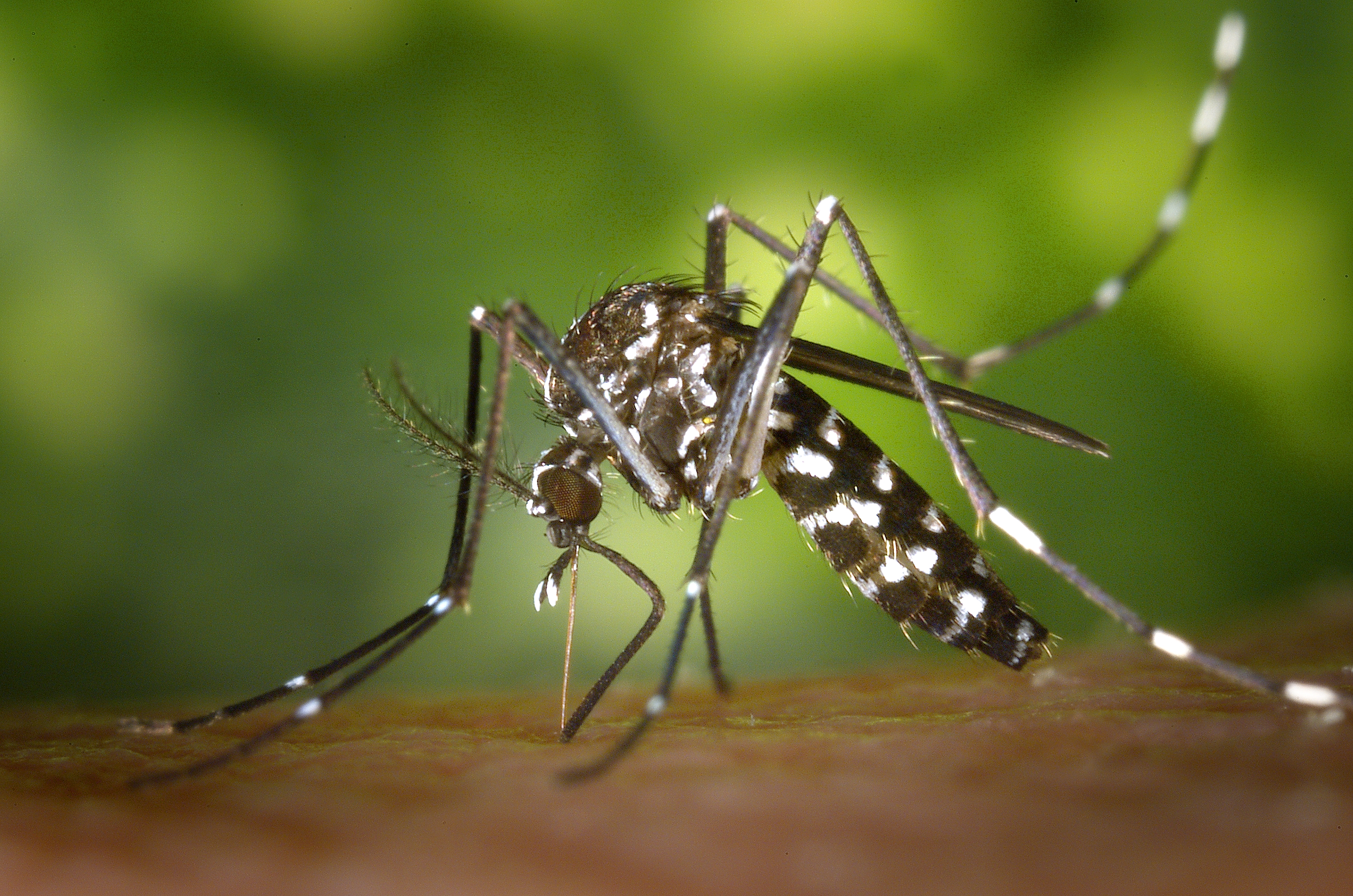
Four people in Ticino have been infected with the chikungunya virus without having recently travelled to an area where the virus is circulating. The cantonal health authorities confirmed the cases on 4 November 2026. They assign them to the Magadino plain. These are the first reported local transmissions of the disease in Switzerland.
According to the canton, those affected are doing well apart from persistent joint problems. It rates the current risk to the population as very low: the number of known cases is small, and mosquito activity declines as autumn progresses. The canton currently sees no need for special measures beyond the usual protection against mosquito bites.
The canton treats the affected zones
The Ticino cantonal medical office, together with the university of applied sciences SUPSI, the municipalities and the responsible federal bodies, has launched epidemiological investigations and mosquito control measures. Local treatments are intended to further reduce the number of still-active tiger mosquitoes. The statement does not name the individual plots that were treated.
In doing so, the canton relies on the tiger mosquito surveillance that has been in place for years. The Federal Office of Public Health has also drawn up an action plan against dengue, chikungunya and Zika together with the cantons and specialist institutions. It is meant to enable early detection and rapid, targeted responses. Implementation takes place at cantonal level.
Several things must come together for a local chain of infection. A mosquito takes up the virus when it bites an infected person. Only after the virus has multiplied inside it can the mosquito infect further people. A person returning from abroad can thus bring the virus into a region with tiger mosquitoes. However, the cantonal statement does not name the specific index case behind the Ticino cases.

Fewer mosquitoes in autumn, a longer season when it is warm
That tiger mosquitoes occur in Ticino is not new. What is new is the evidence that they have passed on chikungunya here. Pie Müller, head of vector biology at the Swiss Tropical and Public Health Institute Swiss TPH, had reckoned with this possibility. Because mosquito activity is declining, he also rates the danger of further transmissions as very low.
The all-clear therefore applies to the current situation, not to every coming season. Müller points out that warm autumn conditions keep mosquitoes active for longer and can speed up the multiplication of the virus inside them. His institute monitors tiger mosquitoes on behalf of the federal government and the cantons and assesses the effectiveness of local control measures.
France intervenes in a targeted way, Italy monitors nationwide
In France, the regional health agencies can order targeted operations against mosquitoes as soon as they identify a health risk. The national health agency Santé publique France describes strictly regulated interventions for this purpose, which also cover adult mosquitoes: these could previously have bitten an infected person and carried the virus on in the neighbourhood. In addition, breeding sites are removed and personal protection against bites is promoted.
Italy records chikungunya within its special surveillance of mosquito-borne diseases. The health institute ISS coordinates this with the Ministry of Health; the aim is to detect cases early and contain the spread. In the update published on 5 November with data up to 3 November 2026, it lists 30 confirmed chikungunya cases. One was classified as locally acquired, the rest were linked to travel abroad. The ISS reports no deaths for these cases. The figures refer to chikungunya, not to the markedly higher Italian dengue numbers.
Keep protecting yourself from bites for 14 days after a trip
Anyone returning from an affected travel area who develops fever, joint or muscle pain, a rash or headache should seek medical advice and mention the destinations. The canton of Ticino also recommends that returning travellers without symptoms consistently protect themselves against mosquitoes during the first 14 days. This is to prevent an unnoticed infection from being picked up by local mosquitoes.
Chikungunya can cause severe joint pain that lasts longer than the fever. According to the FOPH, severe courses are possible in particular in newborns, older people and people with chronic illnesses. There is no specific antiviral treatment; the symptoms are treated.
Around the house, tiger mosquito breeding can be limited by removing, covering or regularly emptying small water containers. Saucers, buckets and watering cans can also offer breeding sites. Eliminating such spots directly complements the authorities' operations at the place of residence.
Sources
- Canton of Ticino: four local chikungunya cases, statement of 4 November 2026
- FOPH: Chikungunya fever
- FOPH: Mosquito-borne diseases and action planning
- Swiss TPH: assessment of the first local transmissions, 4 November 2026
- Santé publique France: Chikungunya, prevention and mosquito control
- ISS: Italian arbovirus surveillance, data as of 3 November 2026
- Cover image: James Gathany / CDC, Aedes albopictus, public domain
- Article image: LittleJoe, Magadino plain, CC BY-SA 3.0
- Article image licence: CC BY-SA 3.0


