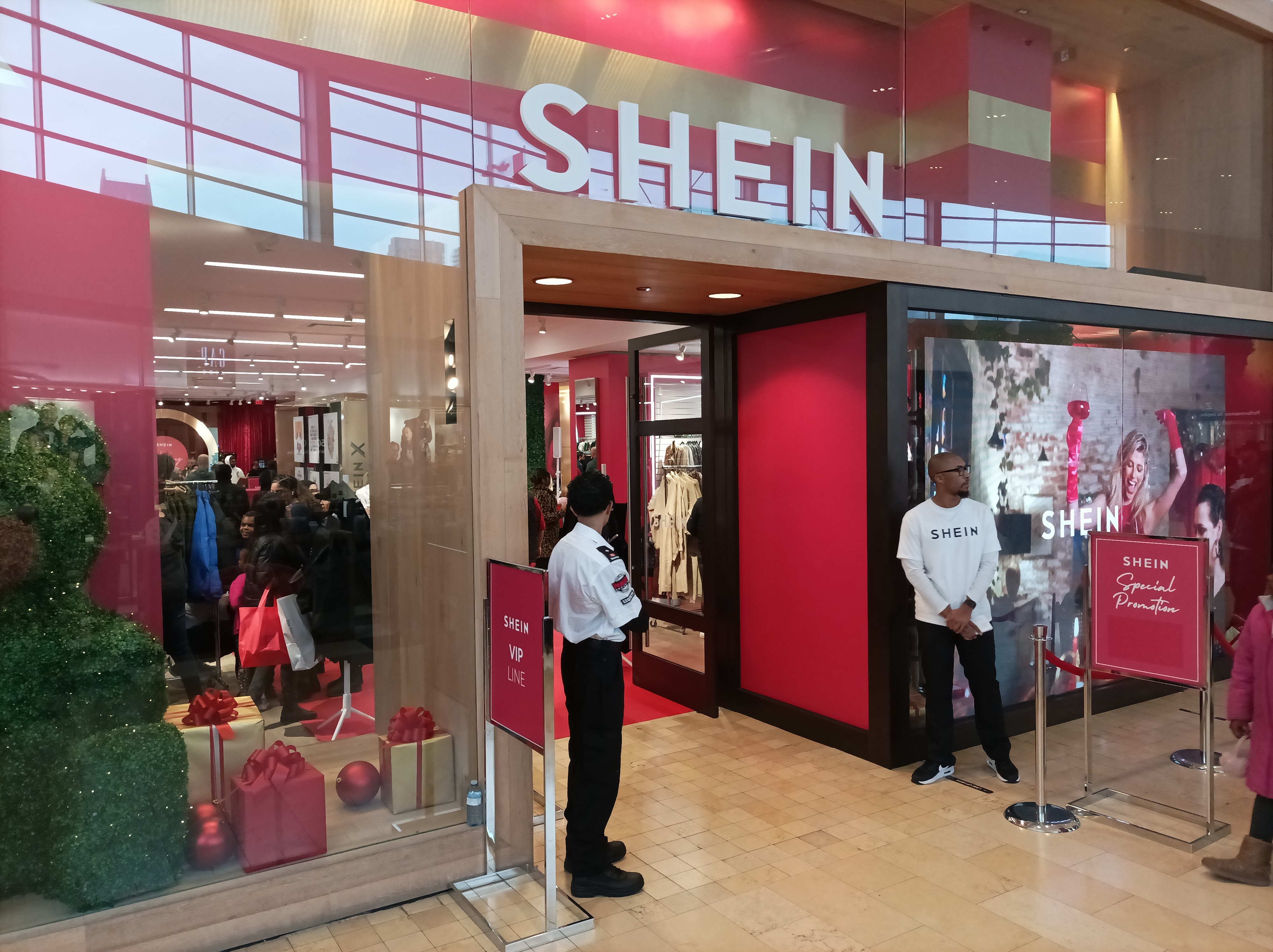
Report on Shein settlement: What Swiss buyers cannot infer from it
Reuters names $100 million to settle a US investigation. The terms remain open. For orders to Switzerland, the contract, return rules and the jurisdiction of the authorities still matter.
Shein is to pay $100 million to settle an investigation by the US Federal Trade Commission (FTC) into delivery delays and other customer complaints. Reuters reported this on 23 October 2026, citing a person with direct knowledge. The company told the agency it had reached a constructive outcome with the FTC; further information was to follow. The agency declined to comment, according to Reuters.
The amount is therefore an agency report, not an official order independently confirmed here. No published settlement text was available in the sources reviewed. A check of the FTC's official list of active refund programmes likewise found no Shein programme. For Swiss customers, this in particular does not establish any already-fixed entitlement to a payout.
Complaints are not proven individual cases
Reuters reports more than 12,000 complaints between January 2020 and June 2026. The agency was unable to verify their content, or a possible later resolution, independently. That limitation matters: the figure documents reported problems, not an equal number of proven legal violations. The exact obligations of a settlement, and which customers might benefit, remain open.
Swiss rules, too, cannot be read off a US proceeding. An amount in an American investigation replaces neither an examination of one's own order nor clarification of which company the contract is with. With a marketplace offer, the name of the selling party is therefore just as important as the familiar platform brand.
Returns and complaints are two different things
Swiss law has no general right of withdrawal for online purchases, as the State Secretariat for Economic Affairs (SECO) explains. Anyone who simply no longer wants a faultless item therefore depends on a return option granted by contract. Before ordering, buyers should check the deadline, the return address, the condition of the goods and the costs. A general advertising claim about easy returns does not necessarily answer these points.
The situation is different when ordered goods are not delivered. According to SECO's guidance, a reminder setting a reasonable additional deadline may be required before withdrawal becomes possible; an agreed expiry date can make the reminder unnecessary. With defective products, warranty rights and the applicable contract terms come into play instead. These routes should not be confused with a voluntary return.
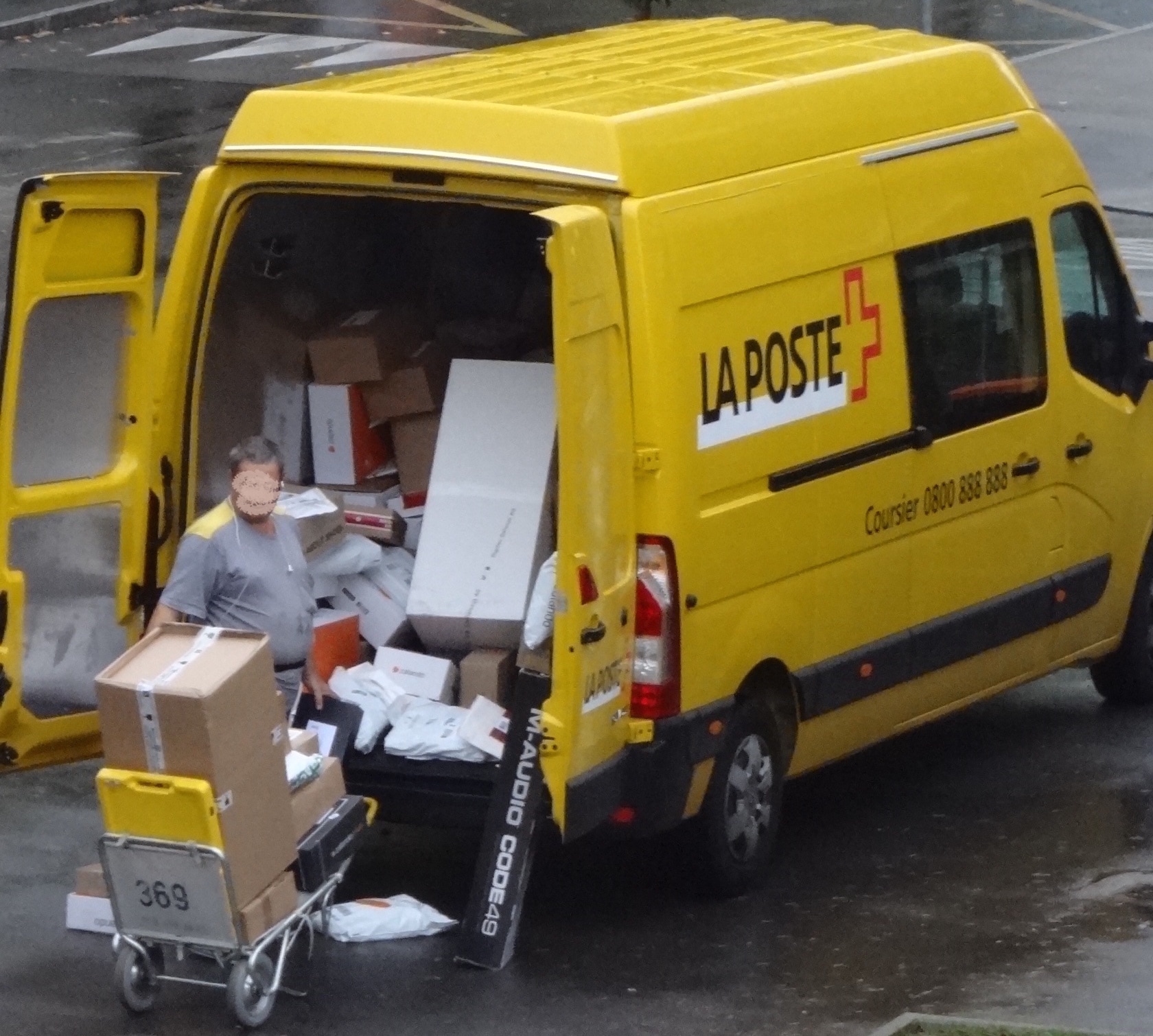
Who is responsible for what in Switzerland
In cases of systematic misleading business practices, affected persons can inform SECO. Its right of intervention protects collective interests and presupposes a certain number of affected persons. Under the statutory conditions, the authority can act through public prosecutors or courts. It does not, however, recover the lost purchase price for an individual buyer.
For one's own complaint, evidence therefore remains decisive: order confirmation, promised delivery date, proof of payment, tracking history and the communication with the seller. Anyone reporting a defect should describe and document it precisely. Such a collection of documents makes clarification easier; on its own it does not prove which claim exists in law. In cross-border contracts, jurisdiction and applicable law can also be decisive.
The product price is not always the whole bill
For goods offers aimed specifically at Swiss customers, Swiss price disclosure rules apply according to SECO. Delivery costs must be shown clearly and separately, even when they are not included in the advertised price of the goods. For orders from abroad, buyers should also clarify who handles the import and which costs are already covered.
The Federal Office for Customs and Border Security (BAZG) points out that postal and courier shipments are subject to their own import rules. Carrier fees must be distinguished from state levies and cannot be determined as a flat amount from the price of the goods. The value allowance for purchases brought in personally is therefore not a reliable calculation rule for an online parcel.
Do not pay a fee to get money back
The FTC warns generally about fraudsters who demand a money transfer for an alleged refund. Anyone now receiving a message about a Shein payout should check the details directly on the official authority's website. A media report is not a payment instruction and not a claim form.
For Swiss buyers, the concrete benefit of this news is therefore, for now, a more careful check rather than a new special right. Traceable sales terms, documented delivery problems and the right complaints channel remain decisive. Only published settlement terms could show whether anything changes beyond that.
Sources
- SECO: Problems after the purchase, non-delivery and right of withdrawal
- SECO: Reporting complaints and the limits of the right of intervention
- SECO: Price disclosure in online retail
- BAZG: Information on internet purchases and import
- BAZG: Value allowance and how it differs from online parcels
- FTC: official list of active refund programmes and fraud warning
- Reuters via MarketScreener: reported Shein settlement of 23 October 2026
- Lead image: Raysonho / Wikimedia Commons
- Article image: MHM55 / Wikimedia Commons
- Image licence: Creative Commons BY-SA 4.0


