Spain votes on 29 November: the ballot and Sánchez's framing
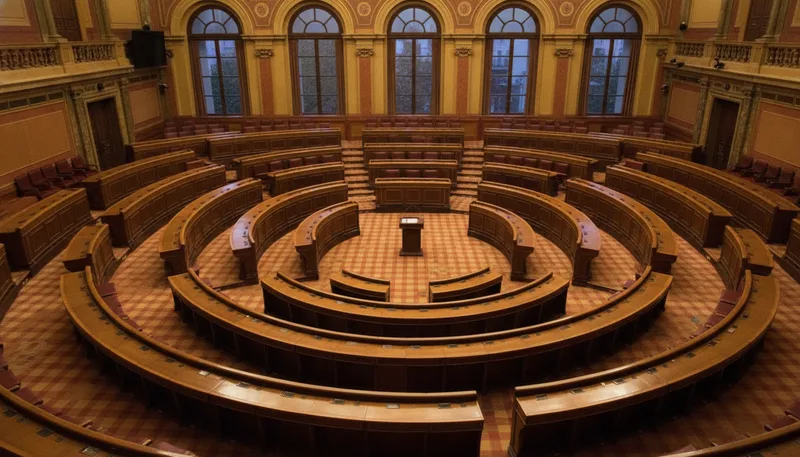
The snap election decides the make-up of the Congress of Deputies and the Senate. The next government only emerges afterwards, through an investiture vote in parliament.
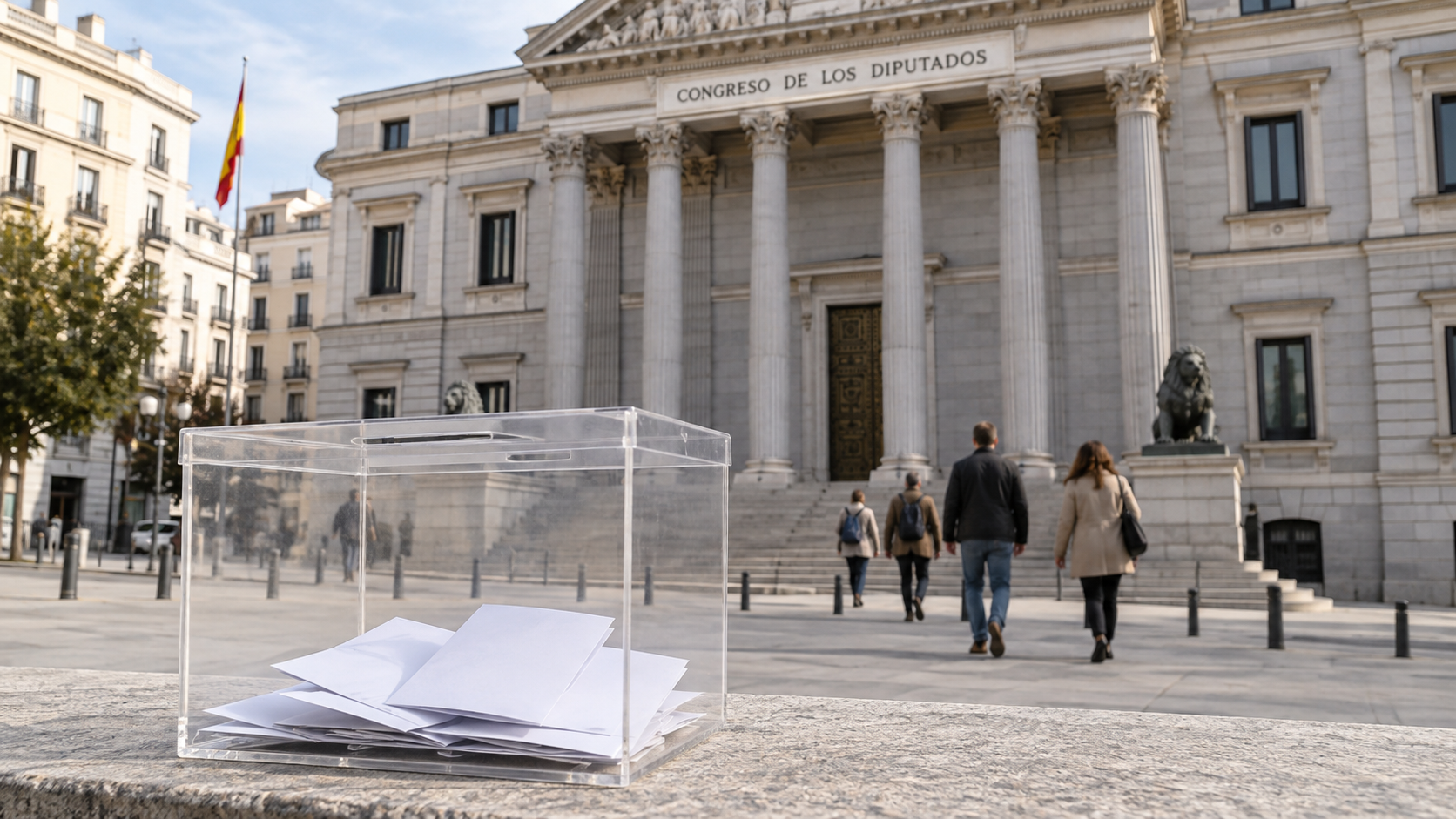
Spain goes to the polls on Sunday, 29 November 2026, to elect a new parliament. This much is official: a royal decree published in the state gazette BOE on 6 October dissolves the Congress of Deputies and the Senate and sets the election date. The campaign is to run from 13 to 27 November, and the newly elected chambers are to convene on 23 December.
One thing matters for understanding the vote: it is not a referendum on Pedro Sánchez, nor a direct election of the head of government. Voters determine the composition of the Congress and the Senate. The process of forming a government then begins. Under the Spanish constitution, the king proposes a candidate for the office of prime minister after consultations with the parliamentary groups. That person needs the confidence of the Congress. Only this investiture process decides who can lead the government.
Pedro Sánchez nevertheless gives the election a clear political reading. In his statement of 5 October he justified calling the snap election with the wish for a broader parliamentary majority for further reforms. He cited social inequality, public services and access to housing. He also described the vote as a decision about how Spain deals with the climate crisis, social change, artificial intelligence and the country's role in a tense world situation. These are the themes Sánchez wants to centre his campaign on – not an official list on which individual votes are cast on 29 November.
For a fair assessment, the distinction has to remain visible. An election manifesto is not set out in a government speech alone, and the positions of other parties have to be checked in their own published programmes. Statements about later coalitions, specific changes in the law or a particular election outcome would be speculation in early October. The article should therefore explain how the institutional process works and always attribute political statements clearly to a person or a party.
Why is this more than foreign policy for Switzerland? According to the FDFA, 27,330 Swiss nationals lived in Spain at the end of 2024. Switzerland and Spain are also closely linked economically: trade between them amounted to more than 14 billion francs in 2024, and Swiss direct investment in Spain stood at 18.9 billion francs at the end of 2023. Research, education, energy and technology are also among the fields in which the two countries cooperate.
For Swiss families, companies and students, this does not mean that everyday life changes automatically on election day. But the vote can alter the political framework in an important European partner country. Anyone who lives in Spain, works there, owns a home, studies or maintains business relationships has a particular interest in a stable government formation and clear rules. For travellers and the wider public, one thing matters above all: until a new parliament and a new government actually act, the concrete consequences remain open.
The sober view of 29 November is therefore this: Spain is voting on its parliamentary representation. Sánchez turns it into a vote on direction. Whether and how that political framing translates into government policy after the election will be decided in parliament.
Sources
- https://www.boe.es/diario_boe/txt.php?id=BOE-A-2026-20742&lang=es
- https://www.lamoncloa.gob.es/presidente/intervenciones/paginas/2026/20260905-sanchez-decl-inst-convocatoria-elecciones.aspx
- https://boe.es/buscar/act.php?id=BOE-A-1978-31229&p=20260520&tn=1
- https://www.eda.admin.ch/de/bilaterale-beziehungen-schweiz-spanien
- https://www.eda.admin.ch/en/bilateral-relations-switzerland-spain