Winter Games 2038: National Council clears the way — but not the award
The clear yes in the National Council is a signal for the 2038 Winter Games. The award, the detailed financing and individual venues are still undecided.
On 1 October the National Council came out in principle in favour of the Olympic and Paralympic Winter Games 2038 in Switzerland. By 137 votes to 40, with 14 abstentions, it backed the framework of at most 200 million Swiss francs proposed by the Federal Council. The decision is a political signal — but neither the definitive federal contribution nor the award of the Games.
The proposal now goes to the Council of States. Only when both chambers agree is the federal position anchored in parliament. In parallel, the International Olympic Committee (IOC) decides on the further procedure. Switzerland is in a «privileged dialogue» with the IOC that runs until 2027. A formal allocation for 2038 is therefore still a long way off.
A decentralised concept
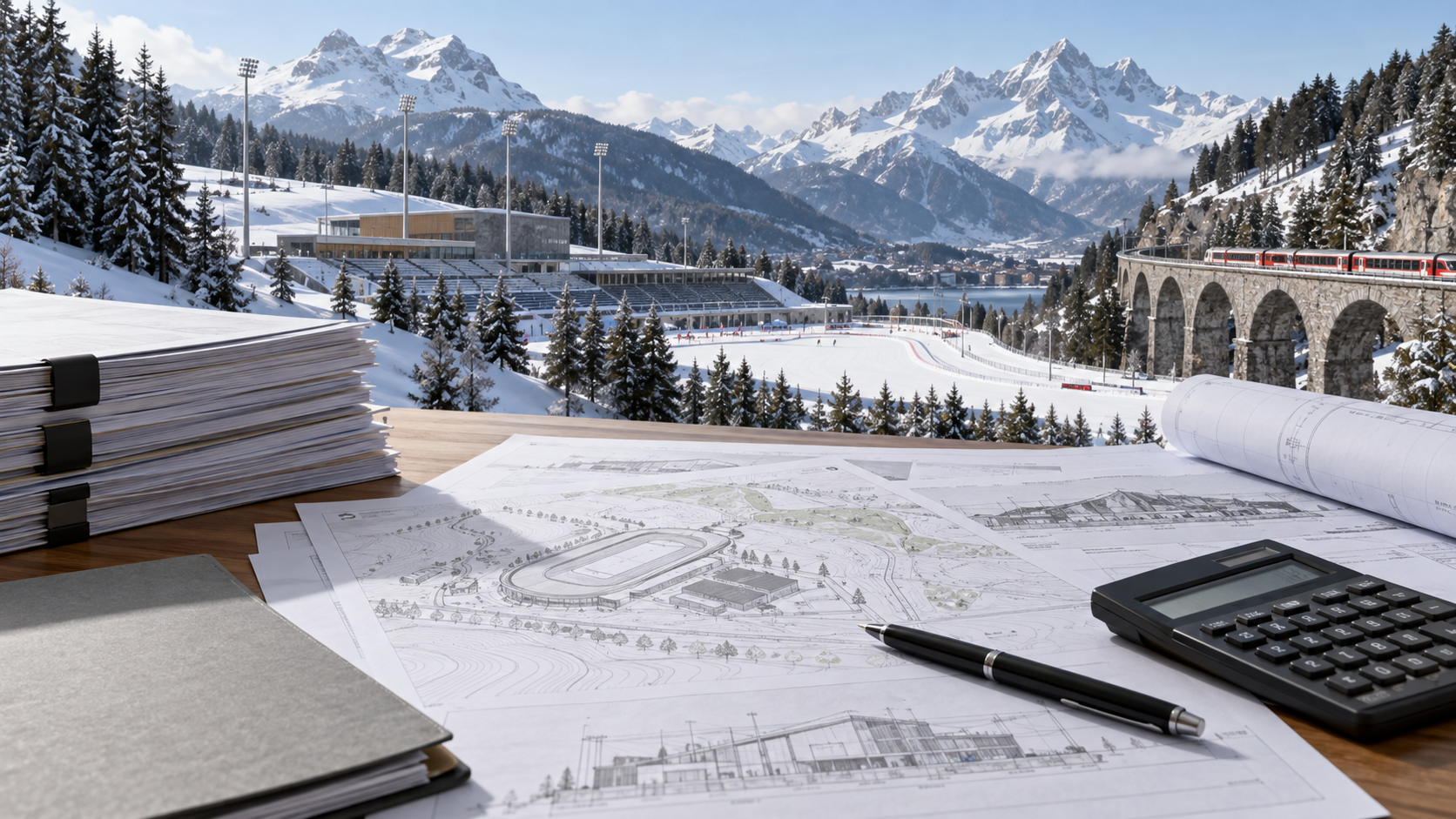
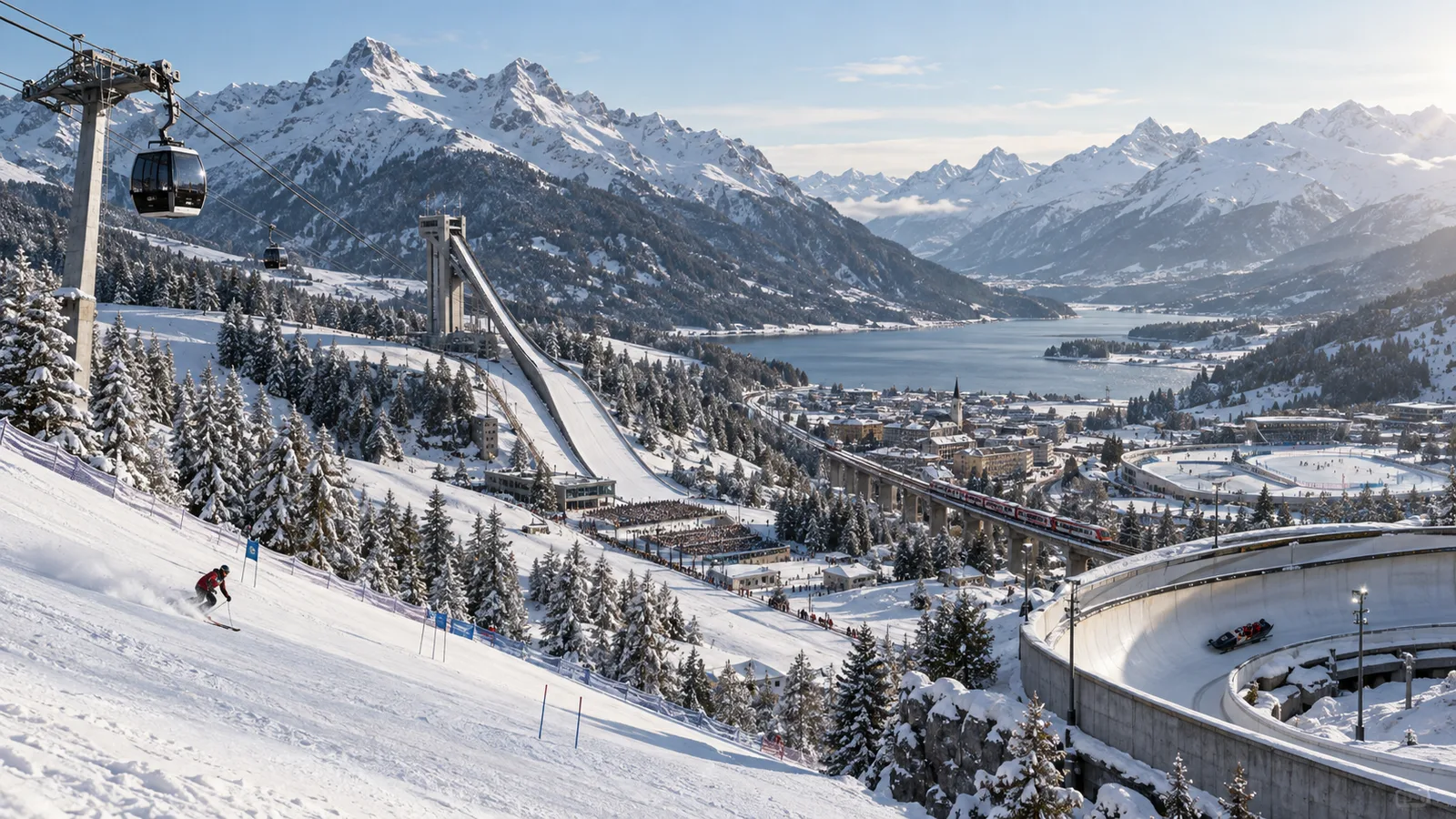
Unlike earlier Swiss projects, the concept relies on several host locations. Ten cantons and 14 municipalities are involved. Existing facilities are to take centre stage; the Games would thus not be a classic large-scale construction project at a single site. That does not automatically reduce complexity, however. Transport, security, accommodation, temporary infrastructure and coordination between cantons remain central tasks.
The federal government justifies its involvement with international visibility, support for sport and the aim of using existing infrastructure over the long term. The planned 200 million Swiss francs are understood as an upper limit for federal contributions. No federal deficit guarantee is envisaged. That is an important difference from earlier debates: the federal government wants to take part, but not to cover every subsequent funding gap.
Approval is not a free pass
In the National Council it was not undisputed whether a project of this magnitude is compatible with the federal model, the logic of sustainability and fiscal discipline. The clear majority shows that supporters consider the risk manageable. But it does not replace the further scrutiny of concrete budgets, responsibilities and contracts.
The question of democratic participation also remains relevant. The National Council refused to make a national referendum a condition. Depending on how the project is designed, cantonal or municipal decisions may still be necessary, for instance if individual organising bodies or investments enter into financial commitments. Political approval in Bern does not pre-empt local decisions.
What must now follow
The strongest statement from the National Council is therefore not «The Games are coming», but: the federal government is prepared to pursue a possible bid under clearly limited financial conditions. The initiators must now show how the decentralised approach works in practice — and what costs actually arise at each level.
For Swiss sport, the project could open up opportunities, for example for young athletes, infrastructure and international visibility. For taxpayers, what counts instead is whether the promised restraint on new buildings and risks is translated into verifiable contracts. That is what will ultimately decide whether a political yes becomes a viable national project.