
A Sunday Alone Is Not Yet a Lonely Sunday
Switzerland measures feelings of loneliness. But neither housing arrangements nor an empty calendar reveal whether someone suffers from a lack of closeness.
Breakfasting alone on a Sunday can be a pleasure. It can also be the start of a long day in which a conversation is missing. From the outside, both situations look similar. For the person concerned, they lie far apart. Precisely this distinction is lost when living alone, few contacts and loneliness are declared to be a single problem.
Loneliness describes an experience. What matters is whether the relationships a person has match their own needs. A full calendar can conceal the fact that trust and closeness are missing. Conversely, a deliberately withdrawn Sunday need not indicate a deficit. Anyone seeking quiet after an exhausting week does not therefore automatically need an additional leisure programme.
What the Swiss figure says
In the Swiss Health Survey 2022, six per cent of the population aged 15 and over reported frequent feelings of loneliness. In 2017 the figure had been five per cent. The survey asks about a subjective experience. It counts neither all people living alone nor everyone who feels lonely at some point.
This distinction is essential. Six per cent does not mean that the rest of the population knows nothing at all of loneliness. Nor does a national survey describe how a single person feels on one particular Sunday. The data make a burden visible; when it comes to assessing a specific person, they do not replace a conversation.
The year of the survey is part of the statement as well. The figures cited come from 2022 and are not a snapshot of September 2026. A supposedly current situation cannot be produced by simply omitting the year in which the data were collected.
Why more company is not always enough
The Bern research project SOLUS takes loneliness as its starting point and states clearly on its information page: people with many contacts can also feel lonely. Among other things, the project examines how internet-based self-help can offer support in everyday life. The current offering comprises a ten-week programme for adults, held in German.
That is a research and support approach, not proof that an online programme would be the right answer for every person. The conditions for taking part, a person's own needs and the limits of such an offering remain important. The existence of the project also does not imply any guarantee of success.
The consequence for everyday life is nonetheless revealing: anyone who wants to help should not simply offer appointments, but first understand what is missing. Is it about a trusted person, about belonging to a group, or about someone with whom difficult thoughts can be discussed? An evening at a club can be an opportunity. But it does not necessarily meet the same need as a confidential conversation.
Different experiences behind the same label
How differently loneliness is experienced also occupies medical ethics. In 2026 the University of Basel presented qualitative research by doctoral candidate Annika Rohrmoser. Her approach focuses on the experiences and interpretations of the people affected. Such interviews do not deliver a new national prevalence figure. Their value lies in making visible the differences that disappear inside a single percentage value.
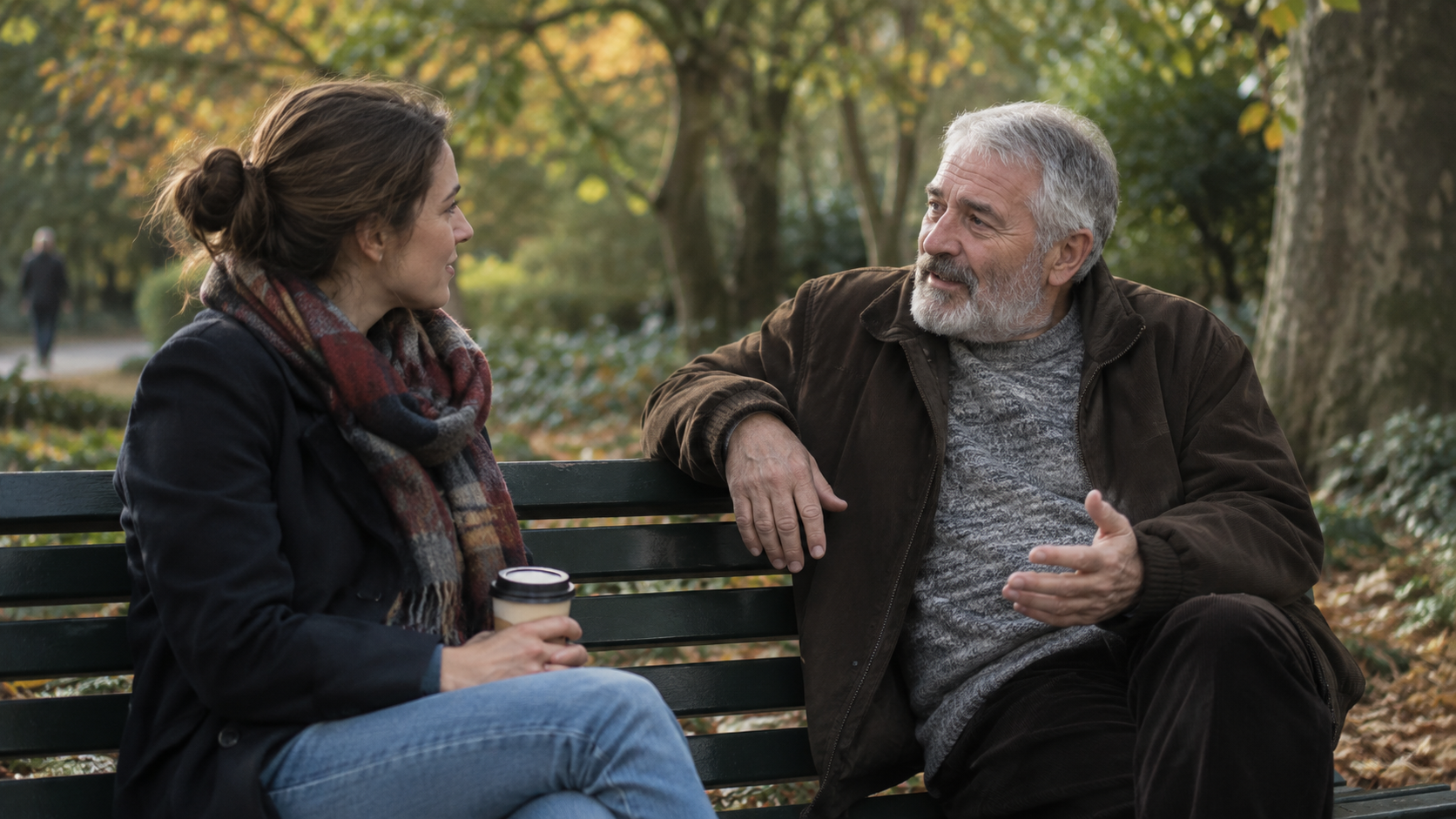
For relatives and acquaintances, this argues against hasty labels. The neighbour who lives alone need not be lonely. The sociable colleague can be lonely all the same. A respectful question is more informative than a diagnosis based on the living room or the number of invitations.
The counter-argument should not be left out: relationships need opportunities. The distinction between loneliness and being alone does not make accessible meeting places, clubs or uncomplicated visits any less important. Rather, it shows why an offering should be open without prescribing to people how much company is right for them.
Closeness cannot be prescribed
For a Sunday, this does not mean a new obligation to self-optimise. Anyone who enjoys quiet does not have to justify a free afternoon. Anyone who longs for closeness deserves more than the advice simply to go out more often. Both needs can change in the course of a life.
The decisive question is therefore not how many arrangements are written in the calendar. It is whether the relationships a person needs can carry them. No statistic can answer that completely – but attention will recognise it sooner than hasty advice.


