After the Fires: Greece Cleans Up and Worries
Reconstruction After Fires – Critics Demand More Prevention
Greece After Wildfires: Difficult Reconstruction Begins Now
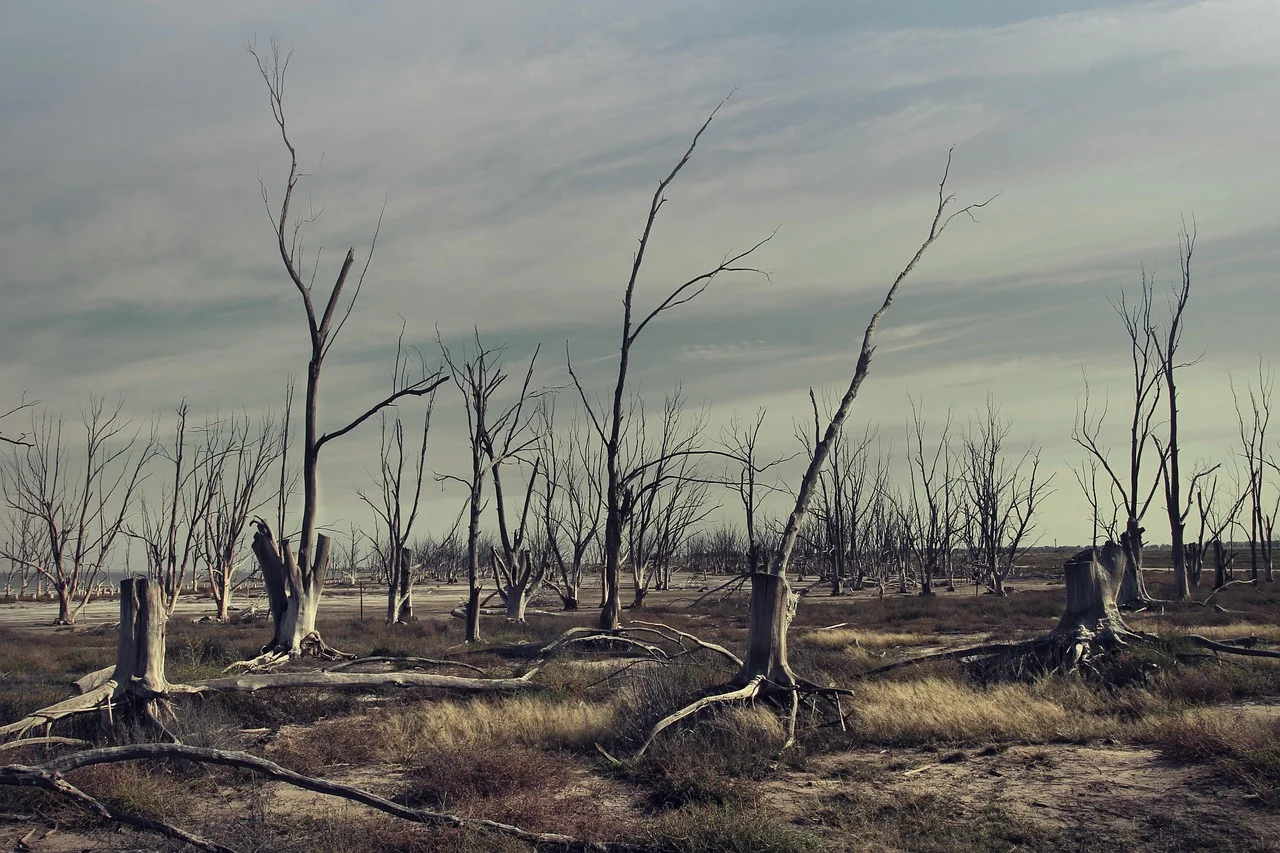
The worst fires are extinguished, but a new, much longer phase begins for the affected people. In Greece's burned areas, homes must be rebuilt, damages assessed, and slopes secured against erosion. The extent of destruction is particularly evident around Porto Germeno, west of Athens. At the same time, concerns grow that the fires' consequences will be felt for months or years.
The post-fire images are drastic: charred houses, burned-out vehicles, and entire forest areas that lost their vegetation. In Porto Germeno, residents returned after evacuations, finding only ruins in some cases. According to initial damage assessments, over 100 houses were completely destroyed or severely damaged there. A total of 192 buildings were inspected. 84 were deemed so severely damaged that they are considered dangerous and require demolition. Another 65 buildings are temporarily uninhabitable.
Affected Residents Await Assistance
Greek authorities have started assessing and processing the damages. State support is planned for affected households. For completely destroyed homes, state reconstruction aid can amount to up to 1,000 Euros per square meter, provided the conditions are met. Additionally, aid for immediate living expenses, damaged household goods, and temporary accommodation is foreseen.
However, support is not automatic. Affected individuals must submit damage assessment results and other documents, among other things. Only then can the repair or reconstruction process begin.
The Greek government has also activated further state aid for fire-affected areas. This aims to help not only private households. Damaged infrastructure and other facilities also require restoration.
Erosion and Floods Threaten After Fires
The danger does not end with extinguishing the flames. The loss of vegetation is particularly problematic. Where trees, shrubs, and other plants previously held the soil, the earth is now largely unprotected. During heavy rainfall, water can drain much faster and carry away large amounts of soil.
This is especially relevant for the affected regions with autumn approaching. Authorities are therefore planning protective measures against erosion and potential floods. Corresponding work in West Attica should begin as quickly as possible.
The damage is also scientifically observable. Satellite data from the National Observatory of Athens show significantly higher surface temperatures in the burned areas. Due to the loss of vegetation and altered soil properties, the affected areas warm up more intensely than before.
A Landscape Permanently Transformed
For local residents, it is not just about houses and money. With the forests and olive groves, a part of the landscape that shaped many families' lives for decades has vanished.
In Porto Germeno, numerous properties and houses were severely damaged. Residents report destroyed family homes, burned olive trees, and a landscape that is barely recognizable. For many affected, the fires do not conclude with a return to everyday life.
Agriculture also faces major challenges. Trees and crops that grew for years or decades cannot be replaced quickly. Even where houses can be rebuilt, it will take a long time for the natural environment to recover.
Tourism Also Affected
The fires also impact regions reliant on tourism. Porto Germeno and other places in West Attica are not only residential areas but also popular destinations for people from Athens and other parts of Greece.
The destruction of forests and landscapes therefore also changes economic prospects. Restaurants, small businesses, and tourism providers depend on visitors. Where entire landscapes have burned or houses were destroyed, additional economic burdens are expected.
The extent of long-term economic damage cannot yet be reliably quantified. First, damages to buildings, agriculture, infrastructure, and businesses must be fully assessed.
Fires Again Raise Questions on Prevention
The events have simultaneously reignited a political debate about Greece's approach to wildfires. The combination of high heat, drought, and strong winds can cause fires to spread rapidly over large areas.
The summer of 2026 again demonstrated the difficulty of combating such fires under extreme weather conditions. In the most affected areas, people sometimes required short-notice evacuation. International support was also mobilized via the European Civil Protection Mechanism.
Therefore, the future raises questions beyond additional firefighting capacities. Forest management, firebreaks, proactive spatial planning, and measures to protect particularly vulnerable settlements are equally important.
Climate Change Increases Pressure
Increasing heat and drought in the Mediterranean exacerbate conditions for wildfires. This does not mean that the cause of a single fire can be generally attributed to climate change. However, it is clear that hotter and drier conditions can desiccate vegetation, thereby intensifying the prerequisites for rapid fire spread.
For Greece, this is a long-term challenge. Reconstruction after a single fire can take years. Simultaneously, affected regions must anticipate similar extreme events in the future.
Europe Helps – But Reconstruction Remains National
For acute firefighting, Greece can rely on European support. Through the EU Civil Protection Mechanism, member states can provide firefighting aircraft, helicopters, and other operational resources.
Reconstruction, however, largely remains Greece's responsibility. The government must decide which areas receive priority support, how houses are rebuilt, and which protective measures against future natural hazards are funded.
Especially during reconstruction, there is an opportunity not simply to restore the pre-fire state. Buildings, infrastructure, and agriculture could be planned to be better protected against heat, fire, and heavy rainfall.
The Real Test Is Yet to Come
The fires are over for emergency services. For the affected communities, they are not.
Now, damaged buildings must be assessed, compensation paid, temporary accommodations organized, and roads and other infrastructure restored. At the same time, soils must be protected from erosion, and new forests and agricultural areas must be developed long-term.
In Porto Germeno, the length of this path becomes particularly clear. Over 100 houses were completely destroyed or severely damaged there. For residents, it is not about returning to normal daily life, but about rebuilding a place fundamentally altered by the fires.
Greece thus faces a dual task: The country must help people who lost their homes and economic livelihoods. Simultaneously, it must make the affected regions more resilient to the next extreme events.
Whether a better-protected Greece emerges long-term from the catastrophe will not be decided solely by the amount of state aid. Crucial will be whether reconstruction is linked to a consistent strategy for forest protection, spatial planning, and climate adaptation.
Sources
- SRF News: Report on the situation in Greece after the wildfires and the difficulties of reconstruction, August 26, 2026.
- Greek Ministry for Climate Crisis and Civil Protection: Information on state support and damage assessment in affected areas.
- ERT News: Damage assessment in Porto Germeno and state support for affected households.
- eKathimerini: Reports on the destruction in West Attica and planned measures against erosion and floods.
- Reuters: Reporting on residents' return to Porto Germeno and the extent of damages.
- European Commission: Information on the EU Civil Protection Mechanism and support for Greece in wildfires.