AI False Alarm in the US Military: Near-Mission Exposes Control Gaps
A suspected AI-generated error reportedly brought US forces to the brink of boarding a Chinese freighter, according to CNN. The case lays bare how dangerous unchecked automation in military decisions can become.
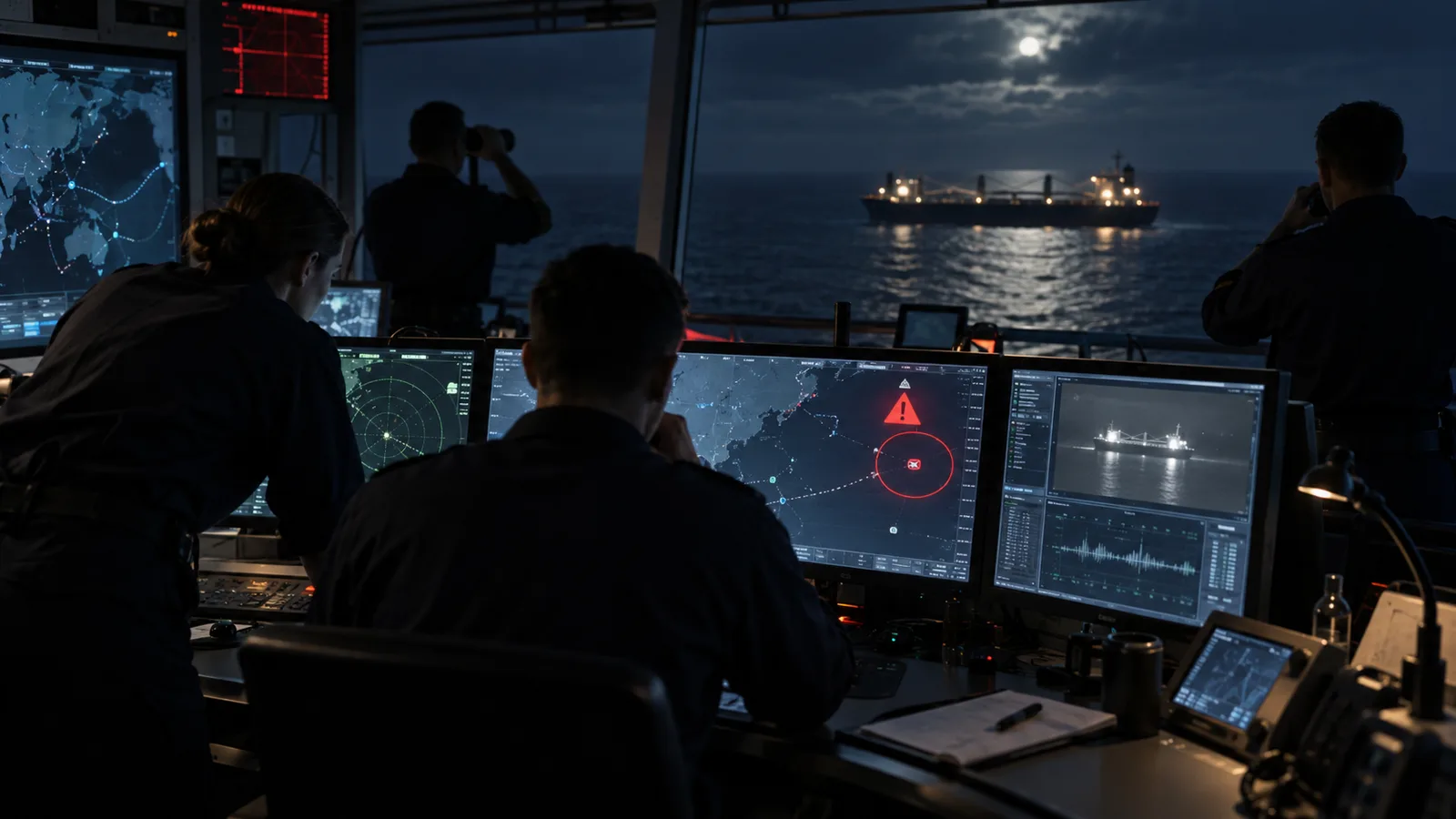
An intelligence report about a Chinese cargo ship in the Middle East set off an alarm in the spring of 2026: the vessel was said to be carrying components for a nuclear weapons programme. According to reporting by CNN, which several specialist outlets picked up, the US military prepared an armed inspection. Aircraft were reportedly already airborne, and soldiers stood ready to board. Only shortly before the operation did it emerge that the central claim came from a faulty AI assessment.
A Serious Report — Built on Anonymous Sourcing
The publicly known sequence of events rests on media investigations based on anonymous US sources. The Pentagon has so far not published a complete investigative report. What is established is therefore above all what several mutually independent accounts describe consistently: an analyst at a special operations command used a chatbot to merge open-source material with intelligence leads. The system misread details about the cargo. The assessment derived from it travelled far enough up the chain of command to trigger operational preparations.
That is more than an ordinary 'hallucination'. Language models generate plausible answers from statistical patterns; they do not automatically deliver a substantiated finding. In a military situation, however, the mere form of a professionally sounding report can create an impression of certainty. Anyone who does not see the underlying documents may end up checking only the conclusion.

The Oversight Worked — but Very Late
The operation was stopped. That suggests people in the chain did raise objections and verified sources. It is still no all-clear. Effective oversight would have to catch an unsupported AI conclusion before aircraft take off and armed teams are mobilised. The case therefore exposes less a failure 'of AI' than an organisational problem: who is allowed to use such tools, how are their contributions labelled, and which primary evidence must accompany a situation assessment?
As early as 2023, in a political declaration on the responsible military use of AI, the United States demanded that risks be taken into account and that unintended bias or accidents be minimised. In January 2026 the Department of Defense declared at the same time that it wanted to become an 'AI-first' force and to dismantle bureaucratic hurdles. Speed and traceability thus come into a direct conflict of objectives.
What Robust Safeguards Would Have to Deliver
A simple requirement for human sign-off is not enough. People frequently adopt machine suggestions when time pressure, hierarchy and seemingly precise data coincide. What is needed instead are technical and organisational locks: AI-generated passages must be visibly marked; every operational claim needs a back-reference to the original source; models must not present uncertainty as a clear diagnosis; and particularly consequential decisions require an independent second review outside the original chain of command.
The case is relevant for Switzerland even though it is not a comparable global military power. The armed forces, intelligence services and authorities are also examining AI applications. Small states can afford errors in heightened international situations just as little. Procurement requirements should therefore not only measure average accuracy, but also rare false alarms, source logs and the ability to reconstruct decisions fully after the fact.
Another safeguard would be a mandatory red-team test before new systems are deployed. In such a test, independent reviewers deliberately try to expose false attributions, manipulated inputs and missing sources. A culture of error is crucial too, one in which analysts can halt an AI finding without fear for their careers. Technology does not replace this organisational responsibility.
The Real Risk Is Institutional
The near-mission does not show that AI must in principle be banished from security agencies. Systems can search large volumes of data faster and make contradictions visible. It becomes dangerous when this assistance silently turns into authority. As long as the official state of investigation remains incomplete, restraint on details is appropriate. The political lesson is nevertheless clear: in military decisions, a claim must be the more verifiable the faster it can trigger a real operation.


