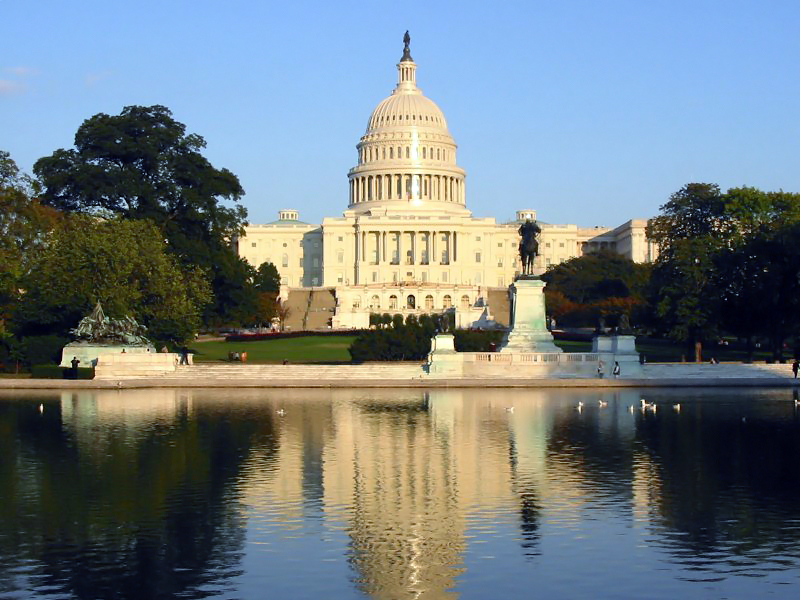
Energy truce: Kyiv ties pledge to halt in Russian strikes
Before meeting Trump, Zelensky offers mutual de-escalation. Russia's commitment and verifiable rules are decisive.
Before the planned meeting between Donald Trump and Volodymyr Zelensky in New York, a proposal is on the table: Russia and Ukraine should mutually stop attacks on critical infrastructure. Kyiv has signalled readiness to take steps of its own, but ties them to an actual end to Russian attacks. According to the statements publicly available so far, no agreed ceasefire exists. It is precisely this gap between a diplomatic signal and a verifiable obligation that is the decisive news.
A pledge under one condition
Ukraine's presidential office confirmed on Sunday that the two presidents had spoken by telephone and that they intend to meet on the margins of the UN General Assembly in New York. Zelensky spoke of ideas for de-escalation and named energy supply, food security and the protection of human lives. The statement from Kyiv mentions no concrete agreement, no starting date and no commitment from Moscow.
Zelensky had already been clearer on 14 September: there is a US proposal for a mutual halt to strikes on critical infrastructure. Ukraine is ready to support such a de-escalation if Russian attacks on its infrastructure end and Russia does so seriously and permanently. That is a conditional position, not a one-sided pledge to stop Ukrainian attacks immediately.
According to a Guardian report on Monday, Trump wants to press for an energy truce at the meeting. Axios reports, citing a person familiar with the call, that Trump repeatedly asked Zelensky to stop attacking Russian oil refineries. These are reports about Trump's intention and about a conversation for which no public transcript exists; accordingly, no signed text is available.
Diesel prices and power supply are different interests
For Washington, according to the reports, international diesel supply is also a priority. For Kyiv, the energy question is at the same time a question of survival through the winter. The UN human rights mission documented for December 2025 to May 2026 repeated Russian attacks on Ukrainian power plants and power lines, outages affecting millions of civilians, and also Ukrainian attacks on electricity and heating supply in Russia's Belgorod region. It sees indications of violations of the principles of international humanitarian law in attacks on energy facilities. This does not amount to a blanket judgement on every individual attack.
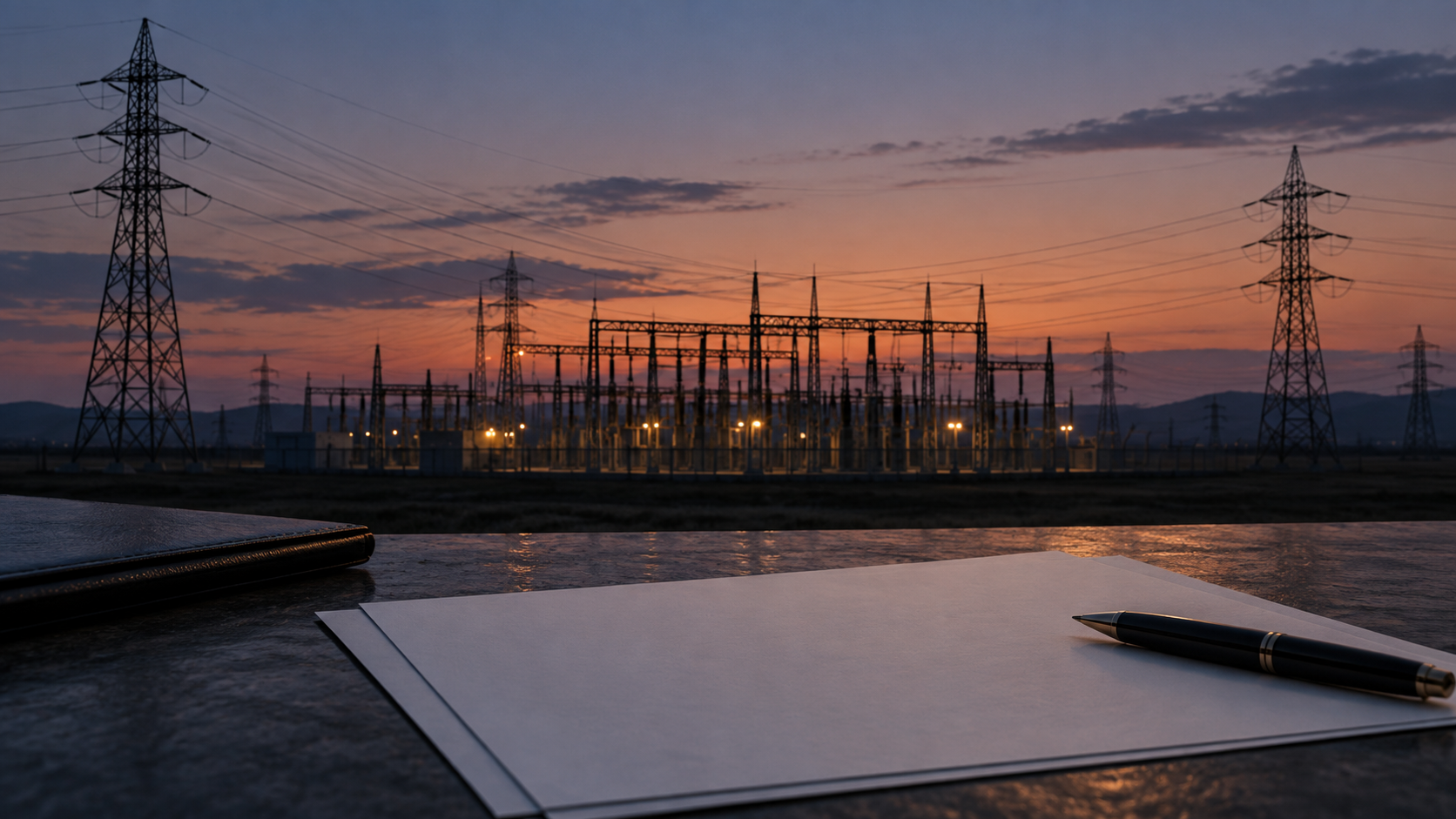
This differing starting position explains why a formula such as "both sides stop energy attacks" would be politically tempting but incomplete. Which facilities would be protected: power plants, substations, refineries, pipelines, ports or power lines? Would the commitment also cover attacks with dual, civilian and military use? Who establishes that a violation has occurred, and what happens afterwards? Without answers, even an officially announced halt could hardly be verified reliably.
There is also a communication problem: the Guardian describes an earlier statement by Trump about a mutual energy truce said to have already been achieved, even though no such truce had been agreed at the time. That is exactly why every new announcement should be checked against the publicly confirmed commitments of the governments involved. Political agreement on a principle is something different from a mutually accepted list of protected targets, a deadline and a procedure for reviewing possible violations.
A first step is not yet a peace treaty
A limited agreement could reduce civilian suffering and create room for further talks. It would also have to set out whether a single attack automatically ends the entire agreement or whether an independent review is envisaged. That question is more than negotiating technique: if one side immediately accuses the other of a breach, an unclear rule can itself trigger new escalation. Such an agreement would neither end the fighting at the front nor settle questions about occupied territories and security guarantees. Zelensky explicitly links his readiness to a mutual, robust step. Russia would have to assume a commitment of its own for that; no such commitment is documented in the Ukrainian statements cited here.
For Switzerland, the debate matters above all as a European security and energy question. Whether an agreement would noticeably affect energy prices here cannot be derived from the statements made so far. Nor does a meeting of the two presidents in itself prove a breakthrough. The benchmark for New York is therefore not the announcement of a "truce", but whether a precise, mutual and verifiable protection of infrastructure comes about – and whether it holds up in everyday life.
Sources
- Ukrainian presidential office: planned meeting in New York, 20 September 2026
- Ukrainian presidential office: conditional readiness for de-escalation, 14 September 2026
- UN human rights mission: attacks on energy infrastructure, 29 June 2026
- The Guardian: expected US push, 21 September 2026
- Axios: report on the telephone call, 20 September 2026