EVG Threatens Deutsche Bahn Strikes – Swiss Travelers Affected
German Wage Dispute Could Halt Connections to Basel and Zurich
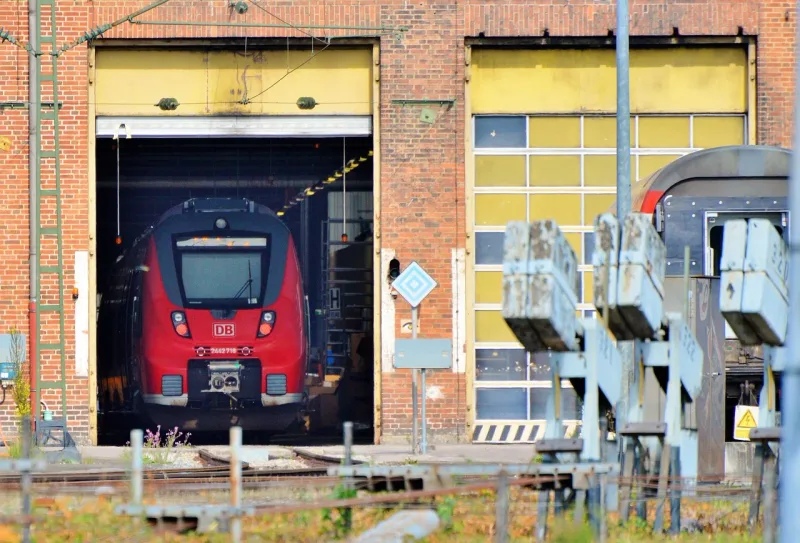
Potential industrial action by the Railway and Transport Union (EVG) at Deutsche Bahn could significantly impact cross-border rail traffic between Germany and Switzerland. Thousands of commuters and travelers use the ICE connections between both countries daily.
Wage Negotiations Without Agreement
Wage negotiations between EVG and Deutsche Bahn are proving difficult. The union demands significant pay increases and improved working conditions for approximately 180,000 employees. Deutsche Bahn refers to its strained financial situation and the necessary modernization of its infrastructure. An agreement is not currently in sight.
EVG represents a large portion of train personnel, as well as administrative and service staff. A strike by these professional groups would virtually bring rail traffic to a standstill. Unlike previous industrial actions by the GDL train drivers' union, significantly more areas would be affected.
Impact on Swiss Connections
The important ICE connections between Basel, Zurich, and German cities like Frankfurt, Berlin, and Hamburg would be particularly affected. Several dozen cross-border trains operate daily on these routes. Commuters from the Basel region, business travelers, and tourists would face considerable disruptions.
SBB is closely monitoring the situation. Regarding potential disruptions to cross-border traffic, the Swiss railway company is usually in close contact with Deutsche Bahn. Should strikes occur, SBB would attempt to mitigate the effects with additional domestic connections and alternative routes. However, they cannot guarantee full replacement services.
European Rail Traffic Under Pressure
The impending strike is not an isolated incident. Across Europe, railway unions are fighting for better conditions for their members. In France, Italy, and Great Britain, industrial actions have repeatedly occurred in recent months. Cross-border connections are regularly affected by these consequences.
Experts see this as a structural problem: While politicians demand the expansion of international rail traffic, investments in personnel and infrastructure are often lacking. Unions use their position to draw attention to grievances. Travelers often bear the brunt of these issues.
Recommendations for Travelers
Swiss travelers who have booked train connections to Germany should closely follow developments. SBB and Deutsche Bahn provide information on current disruptions via their websites and apps. In the event of major strikes, special rules usually apply: tickets remain valid for later trains, and travelers can switch to alternative routes free of charge.
Experts advise planning time buffers for important appointments and considering alternative modes of transport. Flights between Zurich and German cities might be fully booked at short notice. Long-distance buses are also an option, but they entail significantly longer travel times.
EVG has not yet announced a specific strike date. Announcements are typically made with a few days' notice. Experience shows that warning strikes often focus on peak hours to maximize pressure on the employer. Longer, full strikes over several days are also possible if negotiations fail.
A prolonged strike could have tangible consequences for the Swiss economy. Many companies rely on dependable rail connections to Germany. Rail freight transport would also be affected. The Swiss transport sector is monitoring the situation with concern and exploring alternative routes.
The next round of negotiations between EVG and Deutsche Bahn is scheduled for the coming weeks. Both sides publicly express willingness to compromise, but behind the scenes, their positions are far apart. Whether strikes occur depends on the outcome of these talks. Swiss travelers should prepare for potential disruptions.