F-16 crashes at Spangdahlem – what is known so far
After an F-16 crash at Spangdahlem, the pilot is receiving medical care. There are still no reliable findings on a possible technical or human cause.
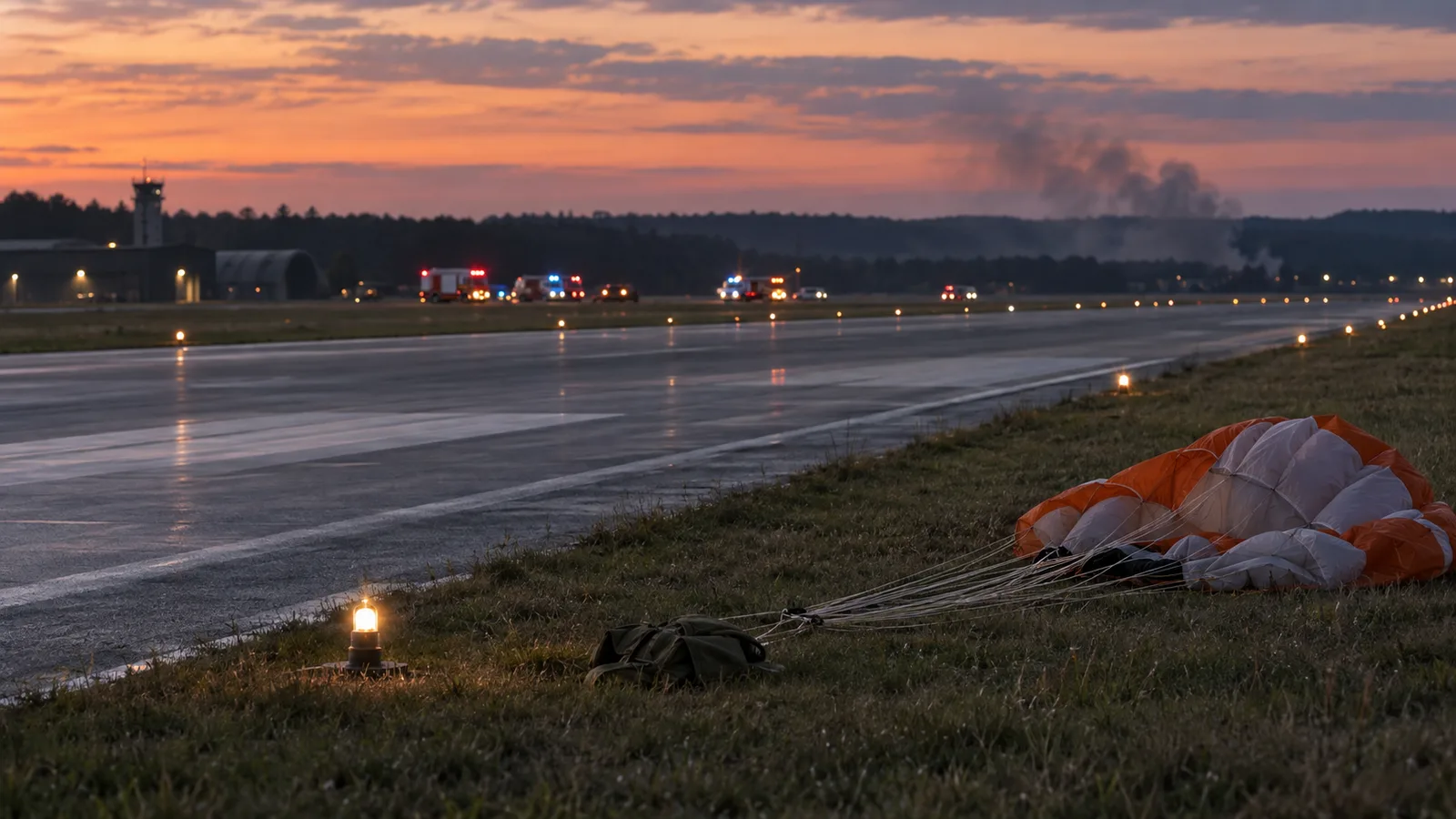
An F-16 of the US Air Force crashed on Tuesday afternoon in the area around Spangdahlem Air Base in Rhineland-Palatinate. The pilot was able to trigger the ejection seat and is receiving medical care, according to the 52nd Fighter Wing. No detailed information on the severity of any injuries was initially available.
The accident occurred at around 2.30 p.m. local time after a training flight. Emergency crews from the base and the surrounding municipalities were deployed. The cause is not clear. That is precisely the most important limit in the first hours after a military aviation accident: no reliable explanation can yet be derived from the flight phase, the weather or visible wreckage.
What has been officially confirmed
The aircraft was an F-16 Fighting Falcon belonging to the 52nd Fighter Wing stationed at Spangdahlem. According to reports by the Associated Press and the Guardian, the jet was on approach after a training mission when it crashed. The pilot was the only person on board.
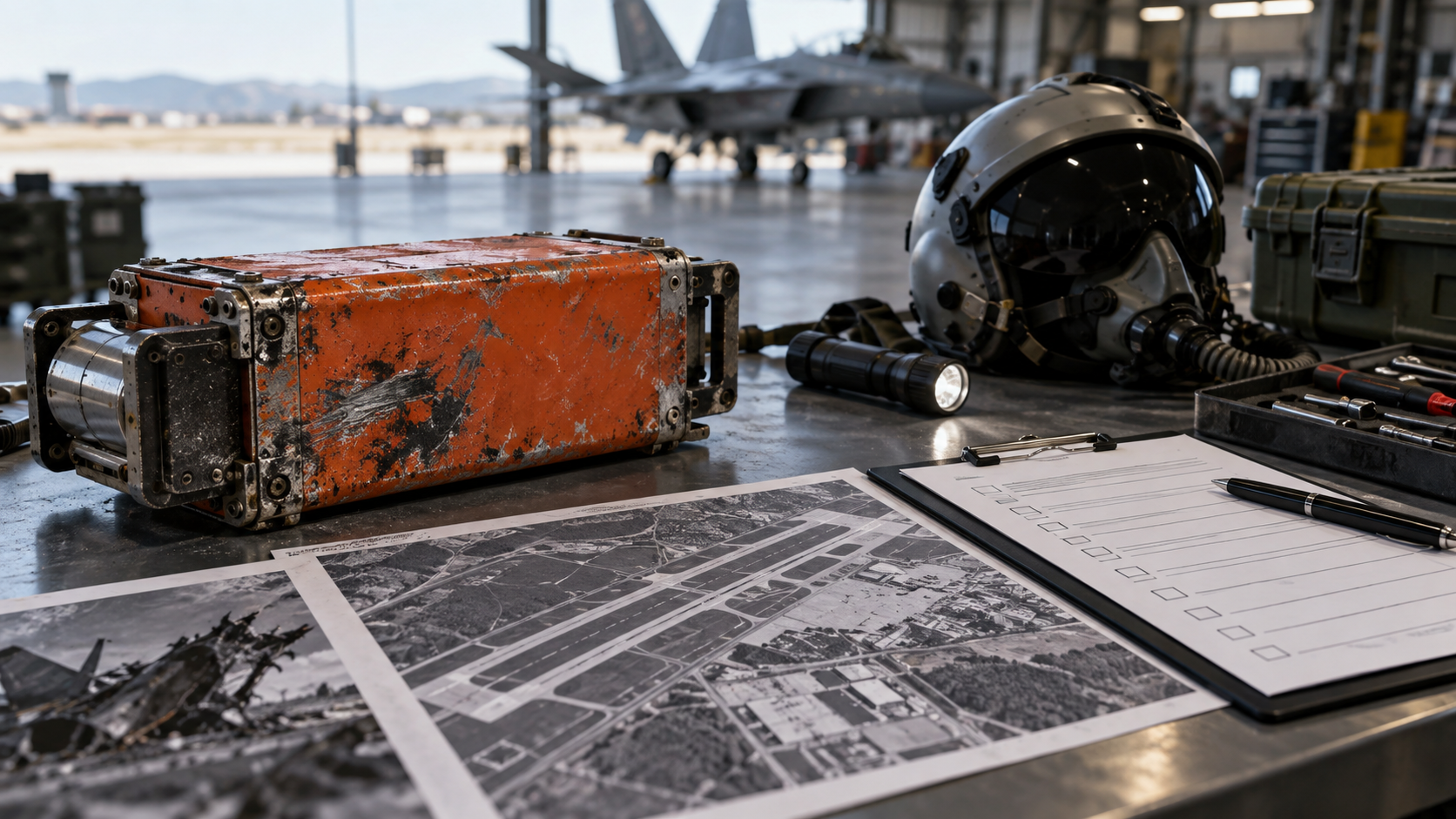
The US Air Force has announced an investigation. It must establish whether technical problems, mission planning, environmental influences or human factors played a role. Such investigations draw among other things on maintenance records, flight data, radio traffic, the wreckage pattern and statements. Until that data has been analysed, any concrete claim about the cause remains speculation.
Why the location matters militarily
Spangdahlem is a key American air base in Europe. The wing operates F-16s there and supports exercises as well as NATO tasks. The Associated Press, citing German reports, puts the number of F-16s at the location at around 20. Besides American military personnel, civilian employees and families, several hundred German staff also work there.
That significance explains the great deal of attention, but it does not change how the event should be classified. A single crash is first of all an accident. It proves neither a general safety problem across the fleet nor hostile action. Whether and for how long flight operations will be restricted depends on the first investigation results and on decisions by the command.
An ejection seat saves lives – and carries its own risks
The successful ejection shows how a central rescue system in modern combat aircraft works. An ejection seat gets the pilot out of the cockpit within seconds and then opens the parachute. The process nevertheless exposes the body to high forces. That is why a medical examination follows even after an apparently successful landing.
For the population in the surrounding area, securing the crash site is an additional concern. Fuel, composite materials and parts of the weapons or rescue systems can pose hazards. Authorities therefore seal off the area until specialists have recovered debris and assessed the risks. Information on damage on the ground or further casualties was initially unconfirmed.
Lessons come only after the data has been analysed
Military aviation accidents regularly lead to two parallel procedures: a safety investigation intended to clarify causes and prevention, and, depending on the outcome, further administrative steps. The public report may later contain recommendations on maintenance, training or procedures. Not every detail is released for security reasons.
For Germany, the United States and NATO, the decisive point now is that the facts are secured before political or technical conclusions follow. The rapid rescue of the pilot is the good news of the day. Whether the crash goes back to a single defect, a chain of circumstances or a systemic deficiency can only be shown by the investigation.