For first time, US does not invite OSCE to midterms
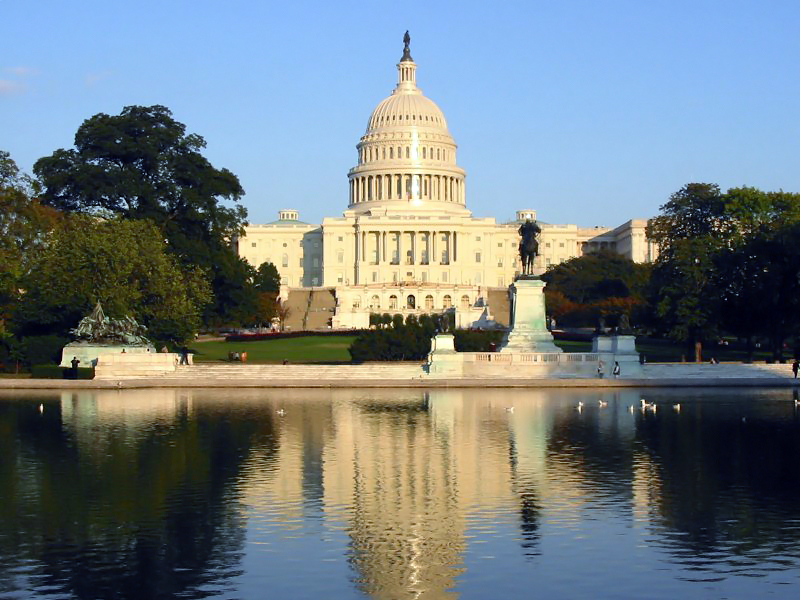
The government in Washington has not invited the OSCE's ODIHR office to observe the 2026 congressional elections. That ends, for now, a practice maintained since 2002.
As things stand, no OSCE election observers will be on the ground for the American congressional elections in November, for the first time since 2002. The OSCE Office for Democratic Institutions and Human Rights, ODIHR, said on 23 September that the United States had not issued an invitation. The organisation describes this as a clear departure from established democratic practice.
The headline that President Donald Trump does not want election observers falls short, however. The confirmed fact is this: the US government has not invited ODIHR. Whether and how the president personally took the decision is not stated in the OSCE's announcement.
Twelve federal elections since 2002
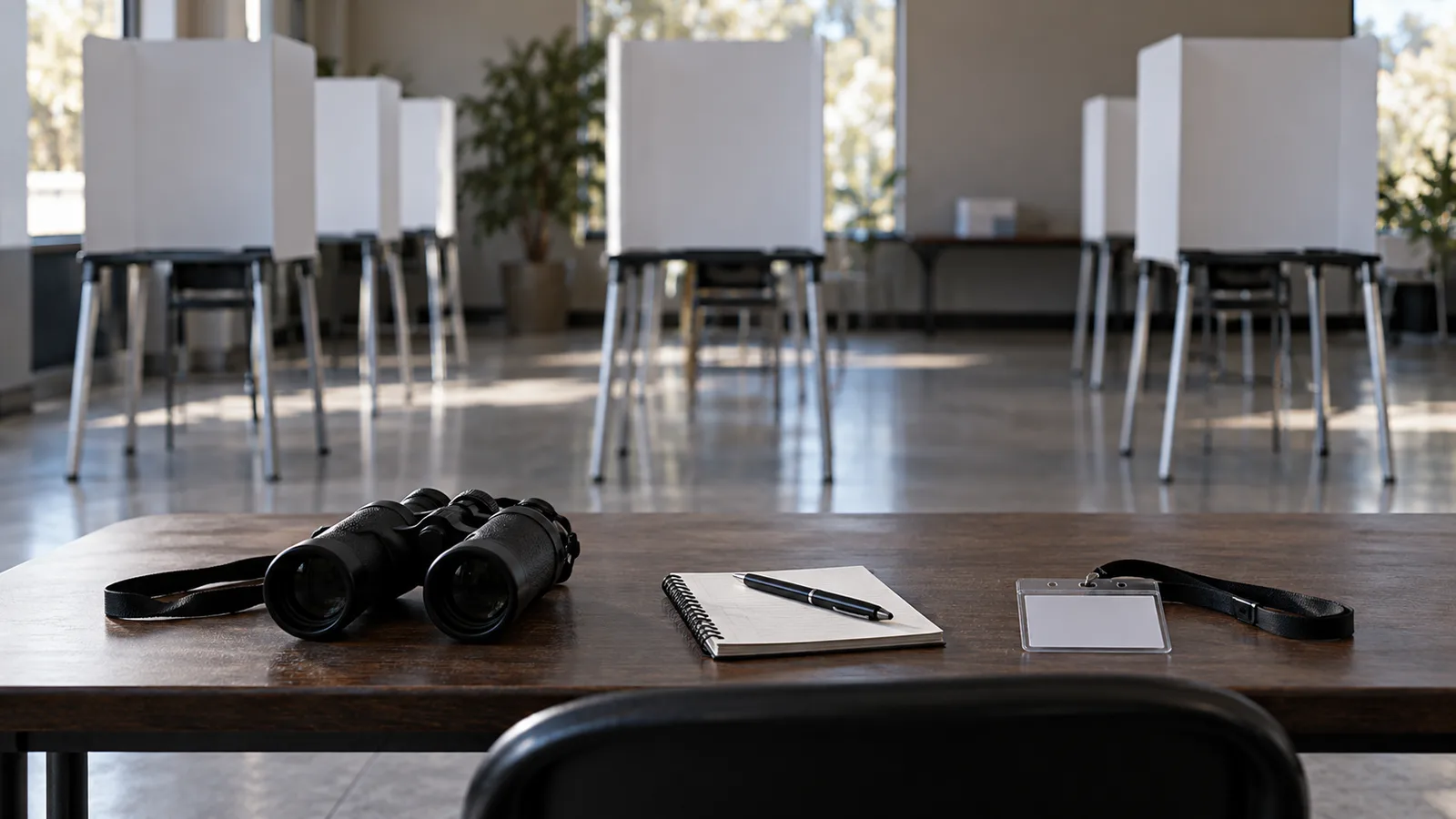
ODIHR says it has observed American federal elections since 2002. That amounts to twelve ballots in total, among them six midterms. The missions varied in size. Observers examined, among other things, electoral law, registration, campaign conditions, the media environment, financing, voting and counting.
Such a mission does not organise the election and does not replace American authorities. Nor does it declare a candidate the winner. Its task is an independent assessment of whether procedures comply with international commitments and national law. ODIHR then publishes findings and recommendations.
The size of a mission depends on a prior needs assessment. For the 2022 midterms, ODIHR deployed a limited election observation mission that worked from 25 September to 18 November. The assessment therefore began weeks before election day and covered not only voting but also the legal framework, the campaign and the handling of complaints.

Why an invitation is needed
The OSCE does not send missions against the will of a participating state. The basis is an invitation. In the 1990 Copenhagen Document, the participating states committed themselves politically to inviting observers from other OSCE states to national elections. That agreement is not an international treaty with an enforceable sanctions mechanism, but it is a jointly accepted democratic standard.
ODIHR and the OSCE Parliamentary Assembly said they remained ready to cooperate with the United States and hoped to be able to observe future federal elections again. They left open whether a late invitation would arrive in time for a methodologically complete observation of the 2026 elections. Such a mission, however, needs lead time: experts must be deployed, election laws analysed and observers distributed across numerous states in a federal electoral system.
The US has no uniform electoral system
American elections are organised in a strongly decentralised way. Federal law sets important framework conditions, but registration, voting, postal voting, counting and recounts differ between the states. That is precisely why an international mission can draw comparisons and make recurring weaknesses visible.
Its absence alone proves neither electoral fraud nor a wrong result. But it removes an additional layer of independent observation. In a politically polarised situation, that can cost trust, because later allegations cannot be answered with the same external findings as in earlier elections.
A political signal beyond the US
The United States is one of the 57 OSCE participating states and regularly invokes democratic standards in its foreign policy. When Washington itself forgoes an invitation, that weakens the reciprocity on which election observation rests. Other governments can use the step as an argument to keep international missions away as well or to restrict them more heavily.
At the same time, election observation must not be idealised. Observers are on the ground for a limited period, have no full access to every local procedure and can only document shortcomings. Their reports are recommendations, not verdicts. The value comes from transparency, methodological continuity and the possibility of comparing developments across several elections.
What remains open until November
The decisive question now is whether the US government changes its position or issues a late invitation. Equally important will be which other independent observation mechanisms – from media to civil society groups to courts – function.
The absence of the OSCE is not evidence that the midterms will be undemocratic. It is, however, a verifiable break with a 24-year practice. In a democracy whose electoral procedures are followed attentively worldwide, less independent scrutiny is itself a relevant news item.