Hormuz and Saudi Pipeline Under Pressure: Oil Shock Cost for Switzerland
Two key crude oil routes are simultaneously at risk. The effect will be noticeable at Swiss petrol stations and for heating oil, but not immediately or one-to-one.
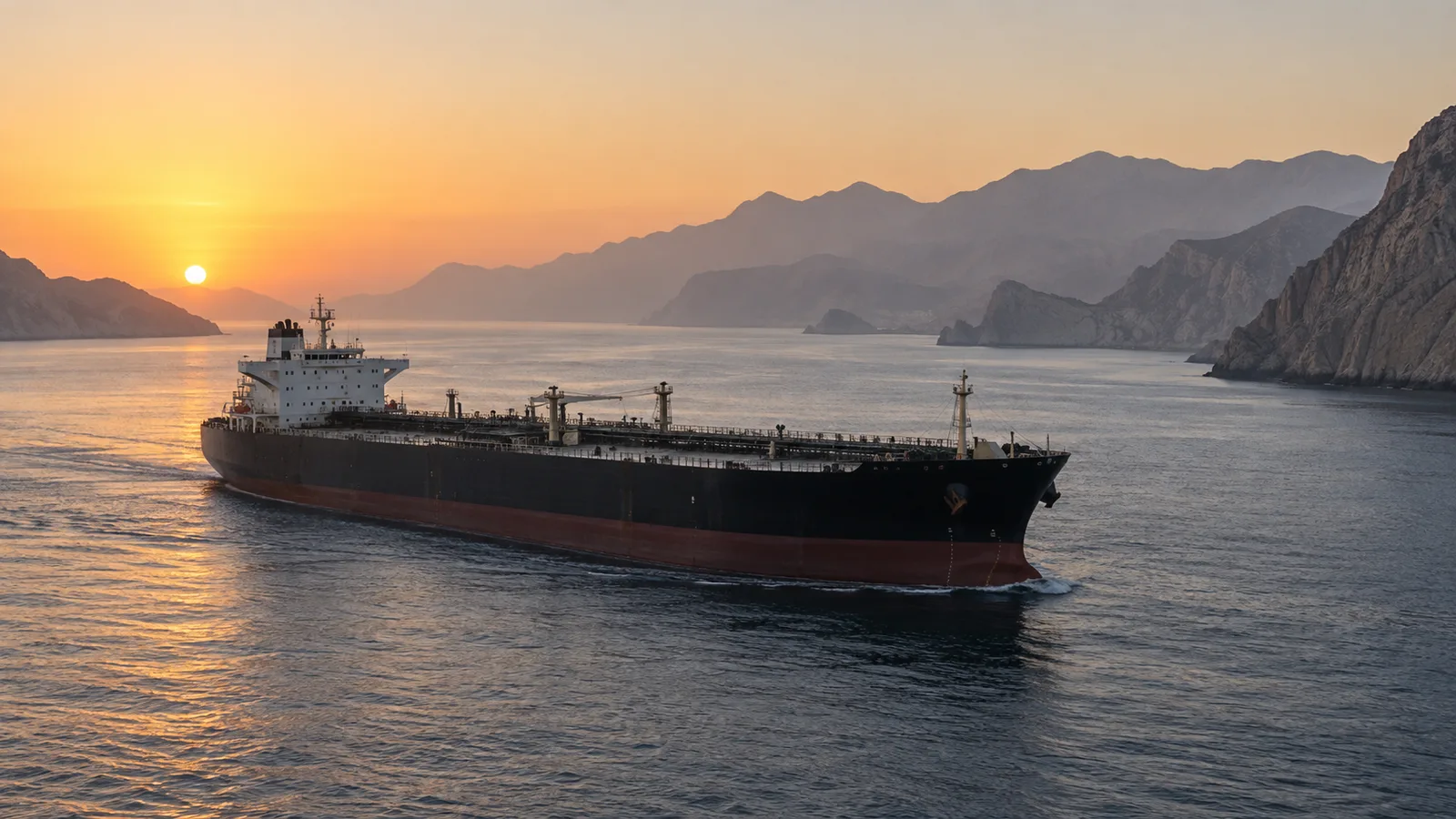
For the oil market, this scenario was previously confined mostly to crisis drills: traffic through the Strait of Hormuz is severely restricted, and now Saudi Arabia's most important alternative route is also halted. Following a drone attack, Riyadh preventively closed the approximately 1200-kilometer-long East-West Pipeline. It connects the production areas in the Persian Gulf with the Red Sea and recently transported four to five million barrels per day, according to Reuters.
This puts two bottlenecks under pressure simultaneously. The oil price rose above 100 dollars per barrel. This is initially a global risk premium, not an exact forecast for the next Swiss fuel bill. However, this combination affects a country that imports virtually all fossil fuels.
Bypass Route Becomes a Chokepoint Itself
The Saudi pipeline was built specifically to bypass Hormuz. Its temporary closure reveals how limited the alternatives are. Additionally, Houthi attacks in the Red Sea intensify the risk on the second route. The International Energy Agency describes the ongoing outages in the Middle East as the largest oil supply disruption in its history. At the same time, it expects a decrease in global oil demand for 2026. The price surge is therefore less an expression of a demand boom than of an abruptly scarcer, uncertain supply.
How long the pipeline will be out of commission and how much crude oil actually fails to reach the market remains uncertain. The attribution for the recent attack on an Iranian cargo ship near Hormuz also remains unclear. This uncertainty itself drives prices: traders pay for the risk before the actual outage is fully quantifiable.
Why Petrol Does Not Follow Crude Oil One-to-One
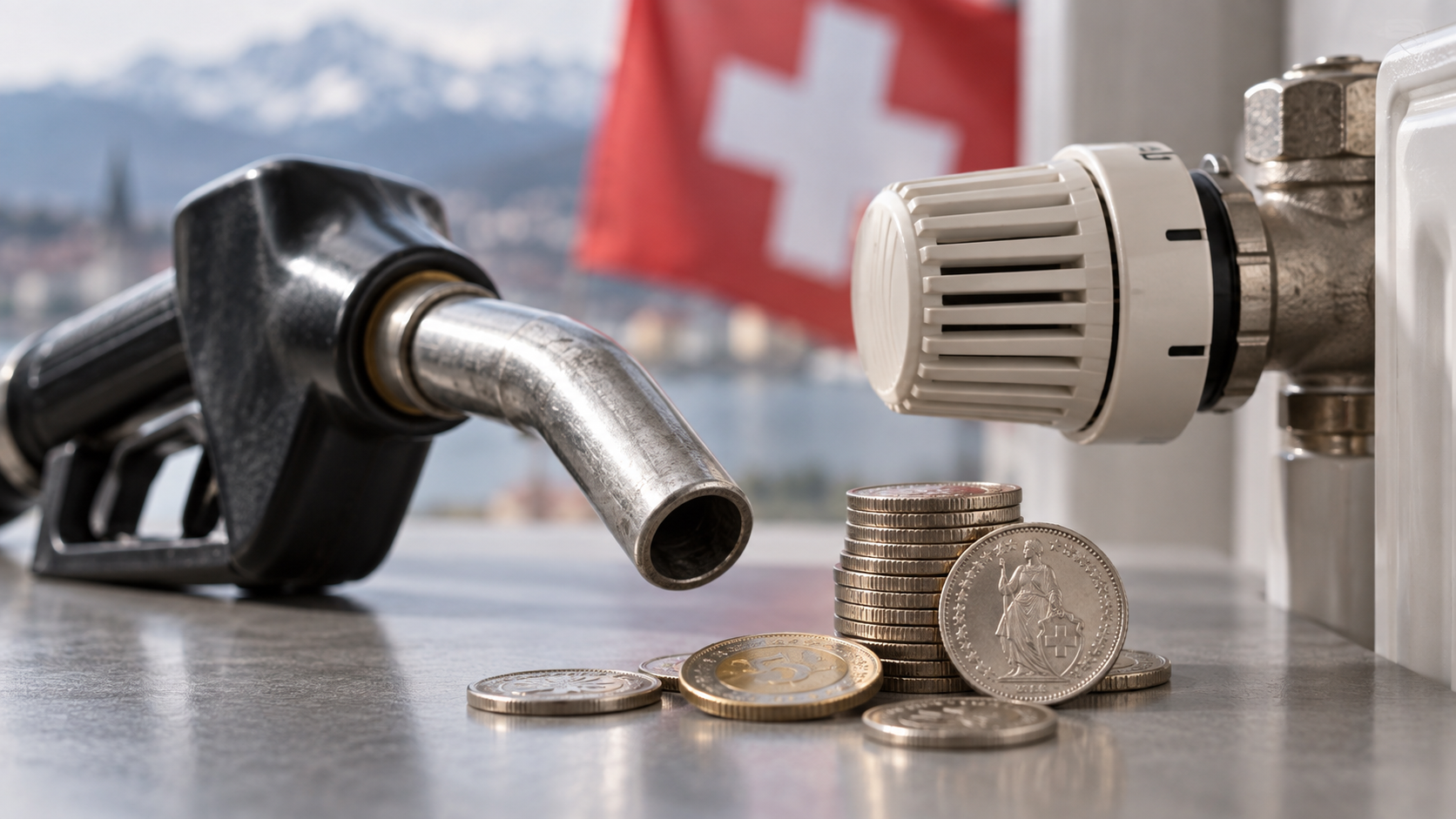
At the Swiss petrol station, the price comprises crude oil, refining, transport, trade, and taxes. According to federal figures, the mineral oil tax is 76.82 centimes per liter of petrol and 79.57 centimes per liter of diesel. These amounts do not increase with the world market price. Therefore, only part of the bill grows during a crude oil shock. Additionally, there is the exchange rate: crude oil is traded in dollars; a stronger franc can cushion some of the increase, while a weaker one intensifies it.
The price supervisor also points to the intense competition among over 3000 petrol stations. Nevertheless, refinery and transport bottlenecks can accelerate price transmission. Diesel often reacts more strongly when distillates become scarce. Heating oil is particularly sensitive because the mineral oil tax here is only 0.3 centimes per liter; however, a CO₂ levy of 120 francs per ton applies. The volatile commodity price constitutes a larger share of the final price than for petrol.
A Small Basket Item with a Big Signaling Effect
In the national consumer price index, petrol, diesel, and heating oil combined account for about 2.1 percent. This limits the direct effect on overall inflation. However, this year's experience shows the dynamic: in April, diesel was 19.3 percent and heating oil 35.5 percent above the previous year's values. The Swiss National Bank attributed the increase in inflation from 0.1 percent in February to 0.6 percent in May mainly to oil products.
The indirect effect is harder to quantify. Higher diesel and transport costs make supply chains, air travel, and individual services more expensive. Whether companies pass on these costs depends on competition, inventory levels, and the duration of the crisis. A short spike primarily affects motorists and heating oil customers; an outage lasting several months would more broadly seep into prices.
What Households Should Know Now
For Swiss households, panic buying is not a convincing strategy. Heating oil tanks have limited capacity, and ordering into a price peak might just lock in the risk premium. It is more sensible to compare offers and consider partial deliveries. Motorists can use the federally supported price comparison tool to exploit regional differences.
Crucially, it is not just whether Hormuz remains open. The market also needs to know when Saudi Arabia's bypass route will reliably function again. As long as both questions remain unanswered, the oil price remains a geopolitical calculation – and Switzerland pays a share, albeit more moderately than a look at the crude oil chart might suggest.
Sources
- Reuters: Saudi Arabia Closes East-West Pipeline, September 11, 2026
- IEA: Oil Market Report, September 2026
- IEA: Middle East Maritime Chokepoints Shipping Monitor
- BFS: National Consumer Price Index, April 2026
- BAZG: Mineral Oil Tax
- BAZG: CO₂ Levy
- Price Surveillance: Fuel Prices
- SNB: Monetary Policy Assessment, June 18, 2026