100 Million for Mountain Hotels: Rescue or Windfall Effect?
Federal Government Backs Energy Renovations – Parliament to Refine Rules
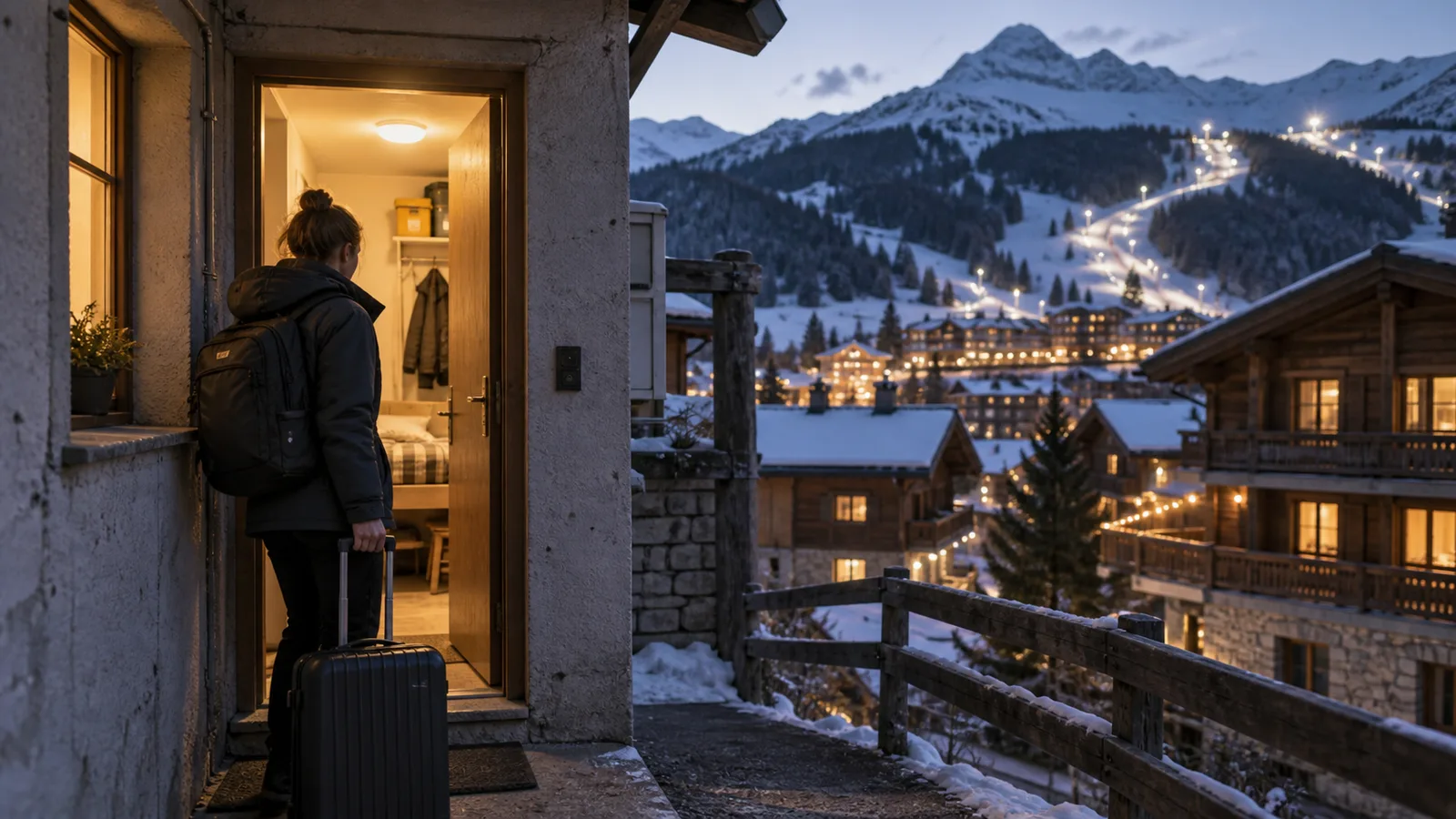
Many Swiss mountain hotels have full guest books – and old heating systems, small rooms, or a backlog of renovations. The Federal Council therefore proposes a temporary stimulus program. From 2028 to 2035, a total of 100 million Swiss francs will be channelled through the Swiss Society for Hotel Credit into modernizing accommodation facilities in mountain regions.
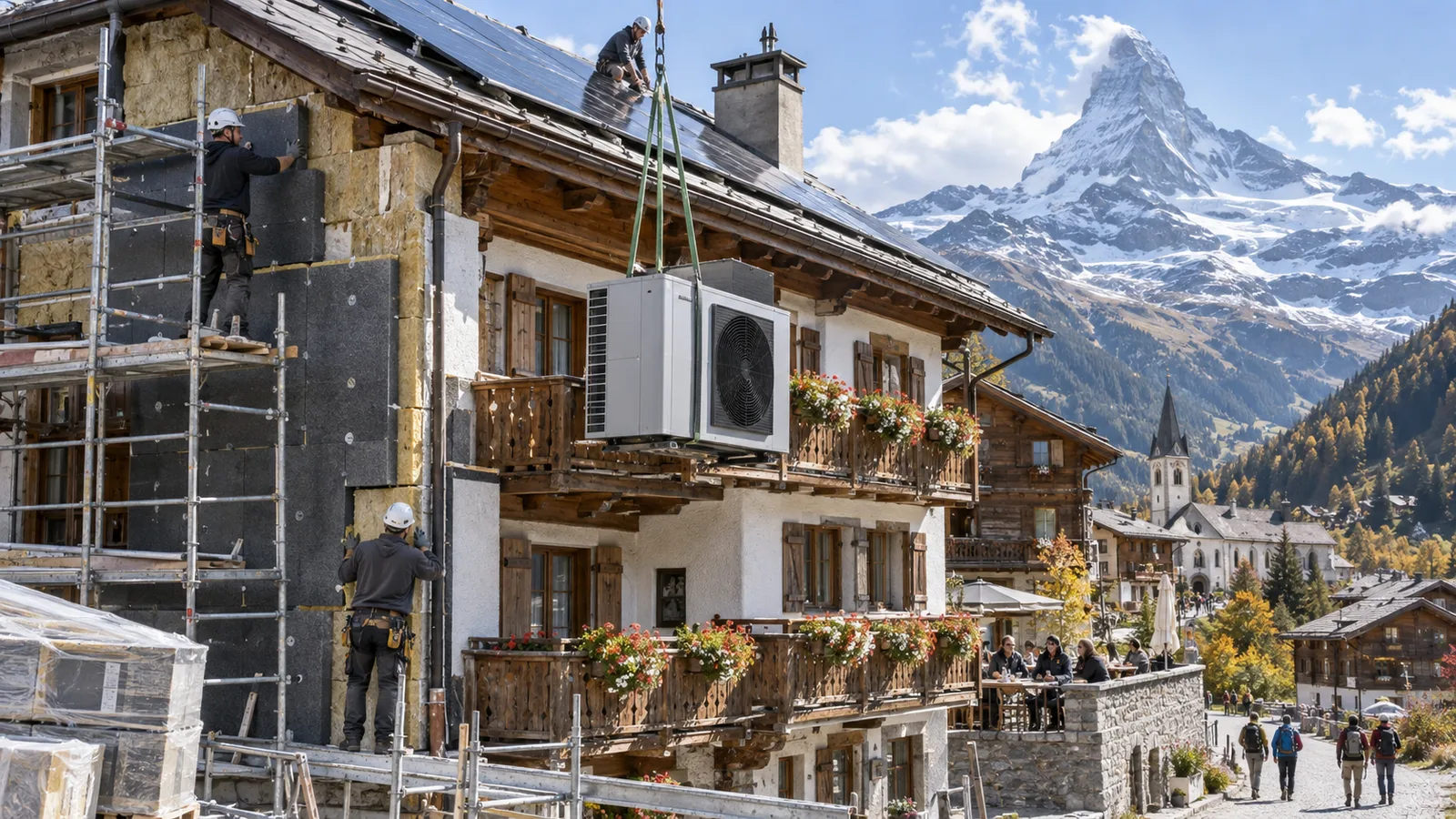
A prerequisite is an energetically exemplary renovation. The state aims not just to beautify facades, but to trigger additional investments, reduce energy consumption, and strengthen the competitiveness of alpine regions. Parliament still needs to deliberate on the supplementary message to the revision of the Accommodation Promotion Act.

Why Mountain Hotels Seek Support
Hotels in mountain regions often operate seasonally, bear high fixed costs, and are far from large labor markets. Historic buildings are touristically appealing but energetically demanding. A comprehensive renovation ties up significant capital, while new windows, insulation, or heat generation only pay off over years.
At the same time, not only owners benefit. A modernized hotel awards contracts to local artisans, employs staff, and brings guests to restaurants, mountain railways, and shops. Where one establishment closes, an entire tourist chain can lose appeal. These regional effects provide an argument for state support.
The Risk of the Windfall Effect
Subsidies are weak when the state pays for an investment that a company would have made anyway. Successful establishments with good financing could apply particularly easily, while smaller businesses might fail due to planning costs and forms. The program would then specifically promote those least dependent on it.
Good rules must therefore examine additionality: Does the funding lead to a larger, earlier, or qualitatively better project? Equity and bank financing should remain part of the solution. At the same time, simple procedures are needed so that family businesses are not excluded simply due to a lack of administrative capacity.
Energy Efficiency Must Be Measurable
"Energetically exemplary" must not be a mere slogan. Meaningful goals for heating demand, renewable energy, and CO₂ emissions are appropriate, adapted to altitude, year of construction, and heritage protection. After renovation, it should be measured whether consumption actually decreases. Otherwise, the Federal Government funds declarations of intent instead of impact.
Climate change adaptation also belongs in the planning. Snow reliability does not decrease equally everywhere, but many regions must broaden their offerings. Investments in summer use, heat protection, water consumption, and year-round jobs can be more economically sustainable than additional beds alone.
What This Means for Travelers and Taxpayers
For guests, overnight stays will not automatically become cheaper due to the subsidy. Modern rooms, higher energy efficiency, and better year-round offers can increase quality; businesses will still set their prices according to demand and costs. Taxpayers can therefore demand transparency: Which projects receive funding, how much private capital is triggered, and how significant is the measured energy saving?
An amount of 100 million Swiss francs over eight years will not save every hotel, nor should it. Structural change cannot be fully prevented. The program is useful if it helps viable businesses overcome a financing hurdle, strengthens regional value creation, and measurably saves energy. Without clear criteria, it risks turning well-intentioned regional policy into an expensive renovation premium.
The distribution among regions also deserves attention. A franc in a well-known top resort may generate private returns faster than in a remote valley, but it triggers less additional benefit there. Selection criteria should therefore jointly evaluate market opportunities, regional impact, and financial viability. Political distribution based on the 'watering can principle' would be as incorrect as only promoting the already strongest destinations.