ETIAS Launch: Who is Affected, and Why Swiss Travelers Usually Do Not Need to Act
The European travel authorization is set to launch in late 2026. It primarily affects visa-exempt visitors from third countries, not Swiss citizens.
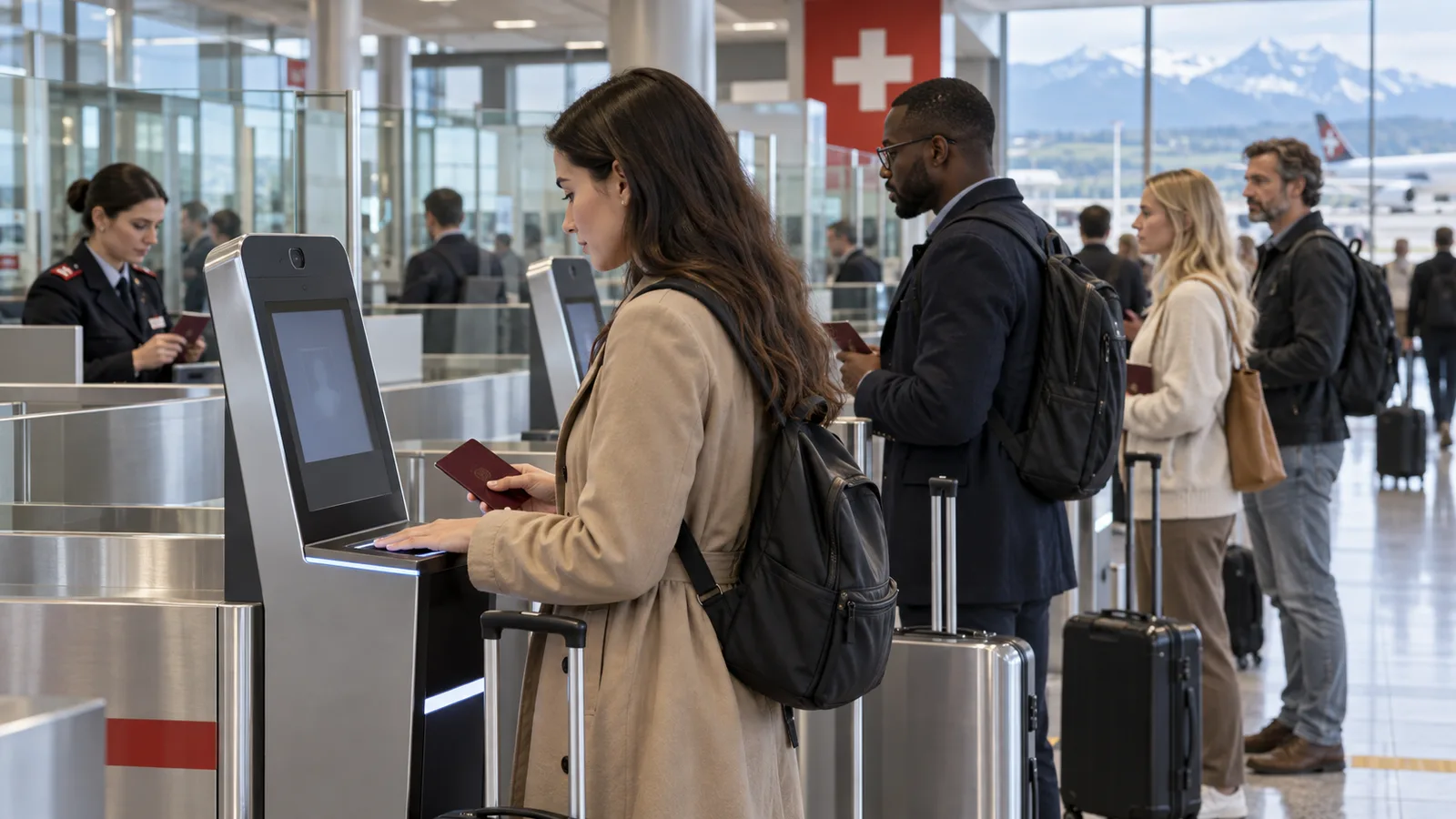
Those traveling to Europe soon will encounter two new abbreviations: EES and ETIAS. They are often confused but serve different purposes. The Entry/Exit System (EES) has been collecting biometric data from many third-country nationals at Schengen external borders since April 10, 2026. ETIAS, on the other hand, is a prior electronic travel authorization.
As of September 9, 2026, ETIAS is not yet operational. The European Union plans its launch for the fourth quarter of 2026 but has not yet announced a definitive date. Travelers encountering paid "ETIAS applications" now should exercise particular caution.
Swiss Passport: No Application Needed
ETIAS targets visa-exempt nationals from 59 third countries who travel for a short stay to one of 30 participating European countries. This includes visitors from the USA, Canada, Australia, Japan, or the United Kingdom. Switzerland is also part of the ETIAS travel area.
Swiss citizens do not require an ETIAS authorization when traveling to these European countries. Individuals holding a valid residence permit from a participating country, such as a Swiss residence permit, are also generally exempt. However, nationality, document type, and residence status are crucial. For special cases, the official EU eligibility checker should be used.
ETIAS is still relevant for Switzerland. Hotels, tour operators, and private individuals expecting friends or relatives from visa-exempt third countries must anticipate that their guests will require an authorization in the future. The airline or another transport company will verify the authorization before boarding.
What Applicants Can Expect
The application is submitted online and linked to the passport. The fee is 20 Euros; exceptions apply for certain groups. An approved authorization is generally valid for up to three years or until the associated passport expires, whichever comes first.
According to authorities, most applications are processed within minutes. If additional information or further review is required, it can take considerably longer. Therefore, it is advisable to apply before booking or at least well in advance of departure.
An ETIAS authorization does not guarantee entry. It merely confirms that no known reasons against visa-exempt travel were found before departure. The final decision remains with the border authorities. Travelers must still meet the usual requirements for purpose of stay, duration, and financial means.
A new passport typically requires a new application, as the authorization is electronically linked to the specified document. Therefore, names, passport numbers, and dates of birth should be entered with particular care.
Beware of Unofficial Websites
A market of intermediary websites has already emerged around ETIAS. Some demand high additional fees, while others appear deceptively official. In the worst case, passport and payment data are compromised.
The safest path is through the official European Union address: europa.eu/etias. The EU explicitly states that applications are only possible from the official launch date. Those using a third-party site transmit particularly sensitive data and often pay for a service that is unnecessary.
EES also does not require a prior paid application. Data collection occurs at the border and concerns different groups of people and procedures. Statements such as "Everyone now needs an online authorization to enter Switzerland" are therefore incorrect.
What Travelers Should Do Now
For individuals with a Swiss passport, ETIAS changes nothing for holiday and business trips within the ETIAS area. They should, as before, check if their travel document is valid and what entry requirements apply to their destination country.
Third-country nationals residing in Switzerland should check before traveling whether their residence permit is valid and suitable for their itinerary. Those expecting guests from a visa-exempt third country can inform them about ETIAS early, but should only recommend an application once the system has officially launched.
The most important advice is surprisingly simple: do not let countdown sites pressure you, check the legal status using official information, and only enter personal data on the official EU portal.
Sources
- European Commission: Differences between EES and ETIAS
- European Union: Who must apply for ETIAS
- State Secretariat for Migration: ETIAS
Status: September 9, 2026.