Why Fewer Swiss Travel to the USA
Political Climate, Border Concerns, and Prices Change Holiday Plans
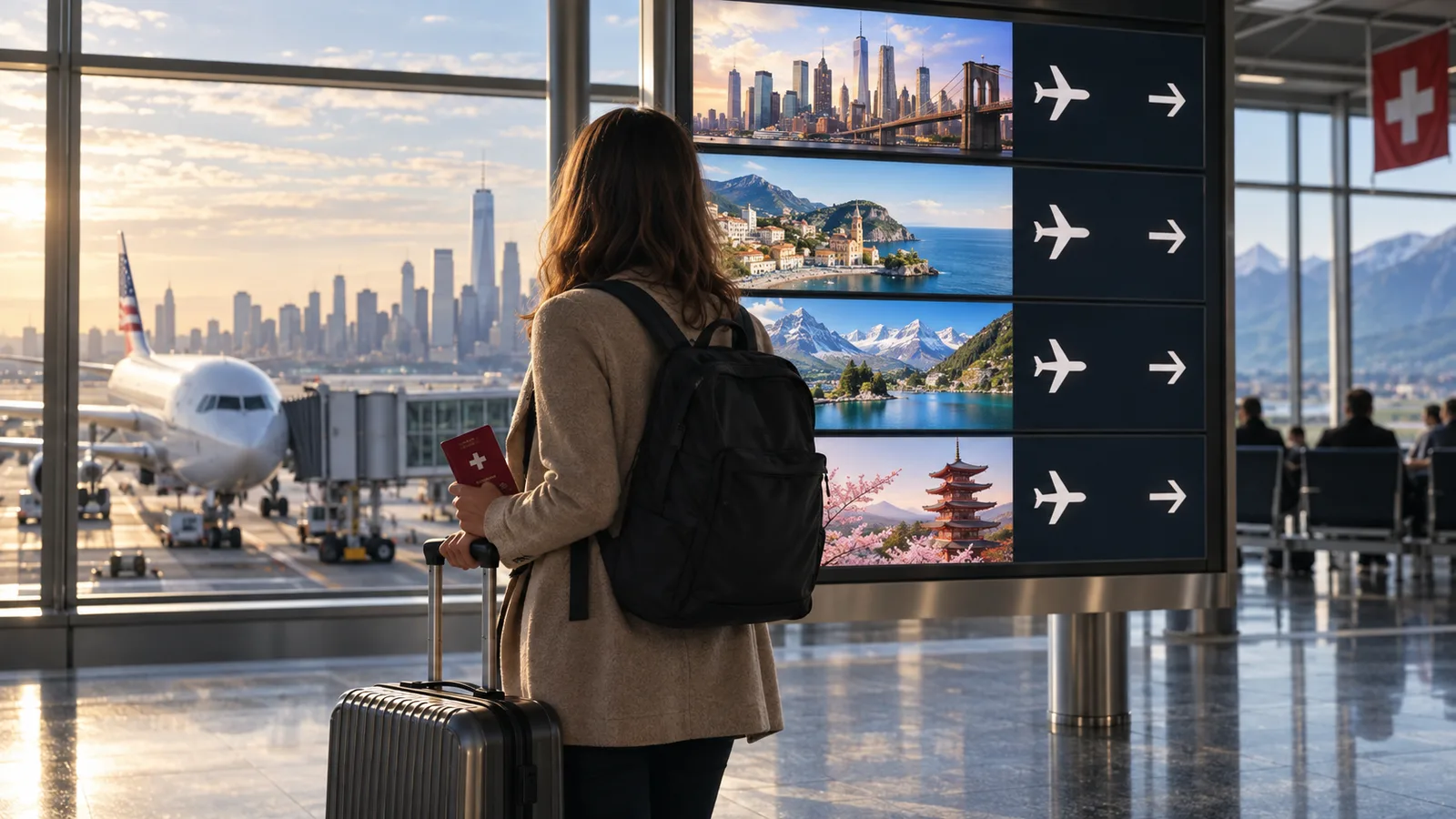
New York, California, and the National Parks remain dream destinations – yet many Swiss are currently booking elsewhere. In the first half of 2026, approximately 120,000 people from Switzerland traveled to the United States. This represents a 16.5 percent decrease compared to the same period last year. In 2025, the number had already fallen by 10.6 percent to just over 361,000.
If this trend continues, only about 300,000 Swiss visitors might travel to the USA in 2026. This would roughly match the 2007 level. The decline is too significant to dismiss as a normal monthly fluctuation. It affects a destination that long benefited from high Swiss travel budgets, direct flights, and a wide selection of round trips.

Travel Begins with Trust
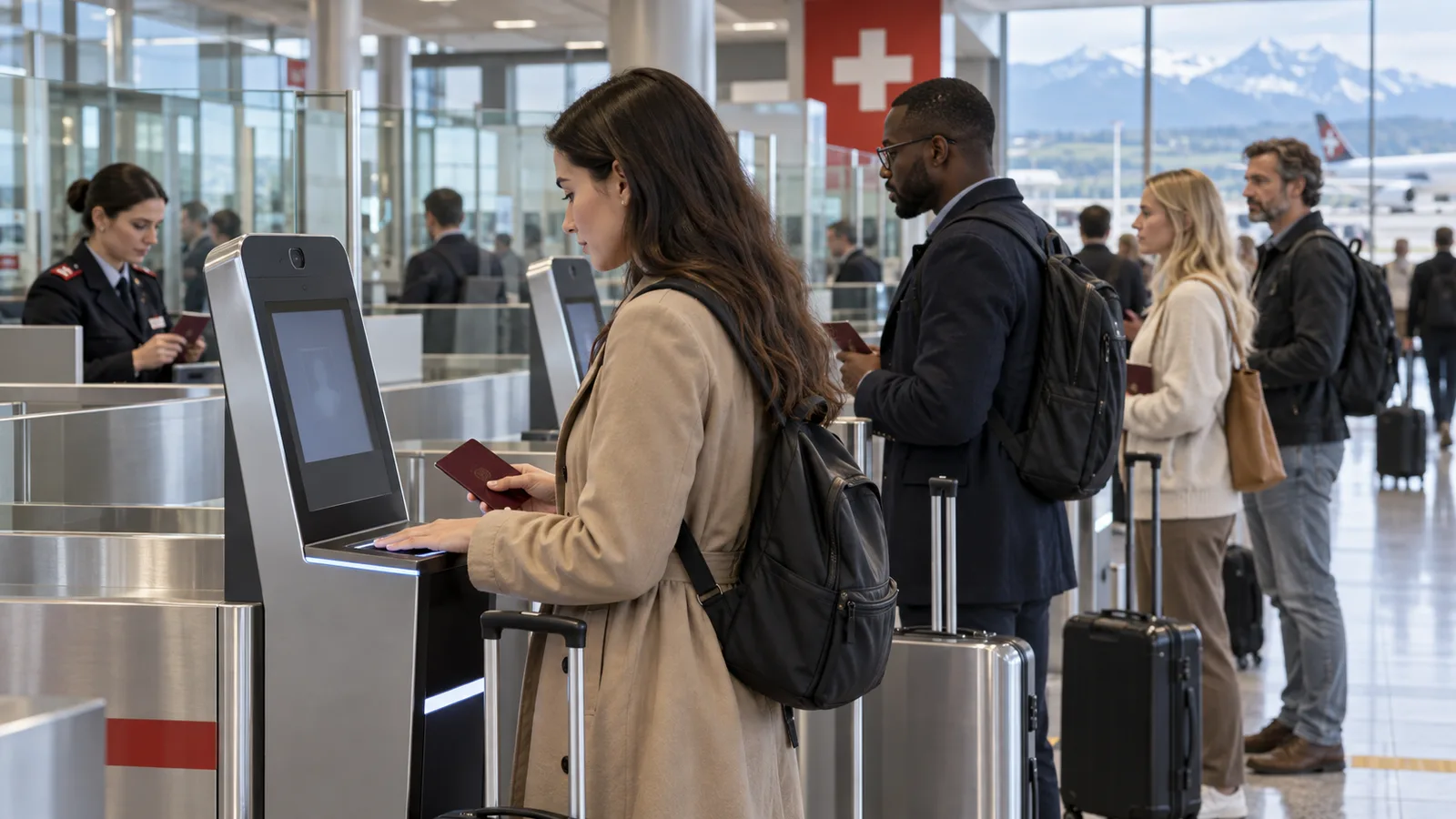
The American market has not suddenly become less appealing scenically. What has changed is the political and emotional environment. Reports of stricter border controls, isolated cases of rejected travelers, and a polarized domestic political scene shape public perception. In a survey, 65 percent of respondents stated they were not planning a USA trip; seven percent intended to cancel a planned trip.
Such surveys do not explain every booking. Flight prices, the dollar exchange rate, school holidays, and competing destinations also play a role. However, it is noteworthy that tourism heavily relies on a feeling: guests want to feel welcome and perceive entry as predictable. If this expectation becomes uncertain, they more readily choose Canada, Asia, or destinations in Europe.
Younger Travelers React Differently
The decline is not uniform across all age groups. Among those under 30, a small proportion even planned more USA trips. More affordable fares can make spontaneous city trips or visits to friends more attractive. This illustrates the paradoxical effect of falling demand: those not deterred by the political environment may find better offers.
For the Swiss travel industry, consulting needs are shifting. Customers are not only asking about hotels and rental cars but also about entry regulations, electronic devices at the border, insurance coverage, and possible changes after booking. Travel agencies can leverage an advantage here over purely online bookings.
What Travelers Should Consider
Those traveling to the USA should check their passport, ESTA authorization, or the appropriate visa early. For previous stays in certain countries, travelers should clarify if ESTA is sufficient. Information must be complete and consistent. An approved ESTA does not guarantee entry; the final decision is made at the border.
Travel insurance should adequately cover medical costs in the USA, as treatments can be very expensive. Flexible rebooking conditions and a copy of important documents are also advisable. Before departure, consulting the travel advice from the Federal Department of Foreign Affairs is recommended.
What the Decline Means for Switzerland
For individual households, a new consideration primarily arises between appeal, price, and personal sense of security. The USA is neither universally unsafe nor problematic for all travelers. At the same time, it would be wrong to dismiss subjective concerns as irrelevant. Holidays are a discretionary expense; even slight uncertainty can sway a decision.
Economically, the effect for Switzerland is manageable. However, it is noticeable for airlines, tour operators, and specialized providers. Above all, the trend reveals a fundamental truth of tourism: a country sells not just landscapes and hotel rooms but also reliability. If a destination loses this capital, lower airfares alone are not always enough to bring back visitors.