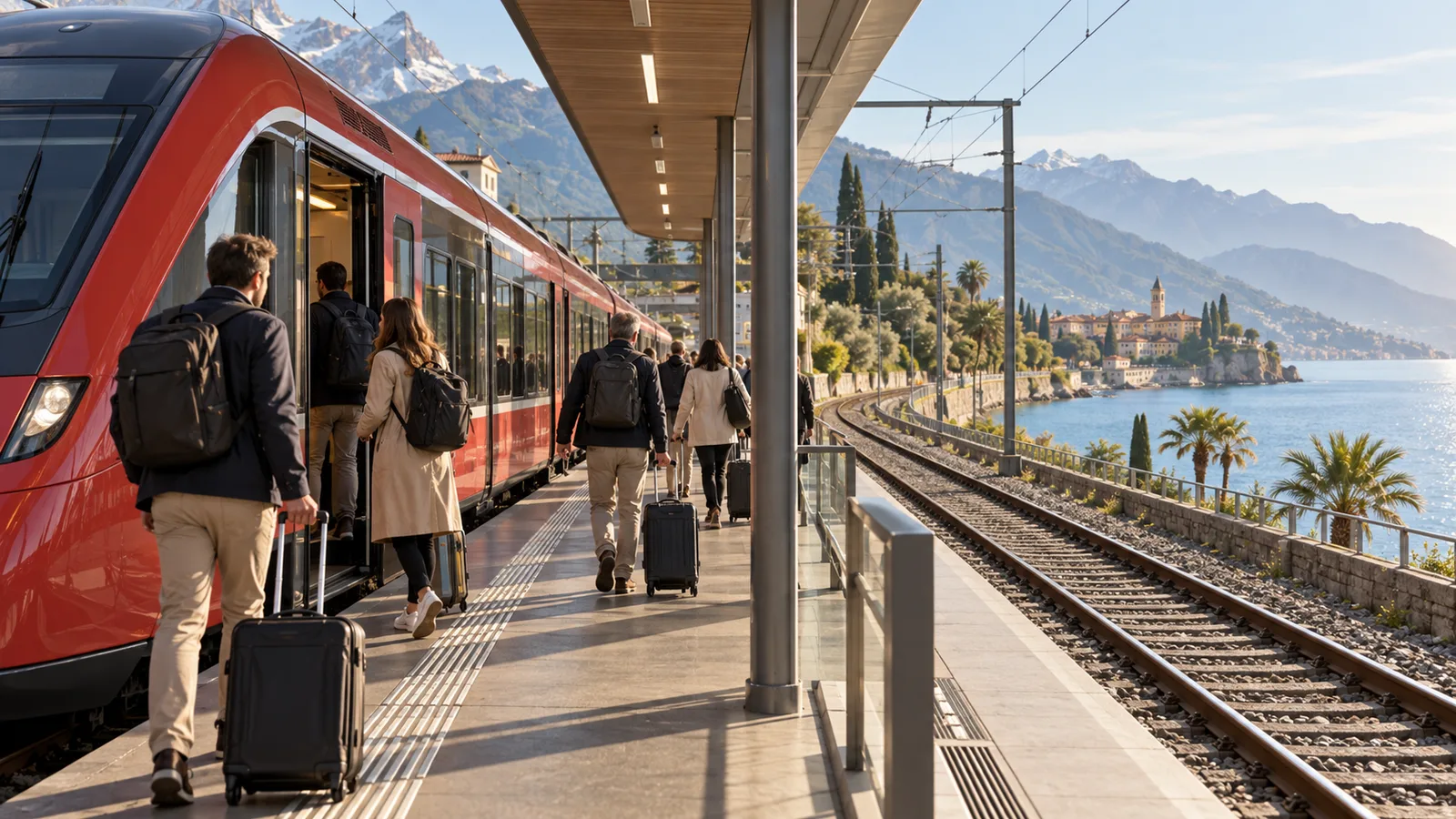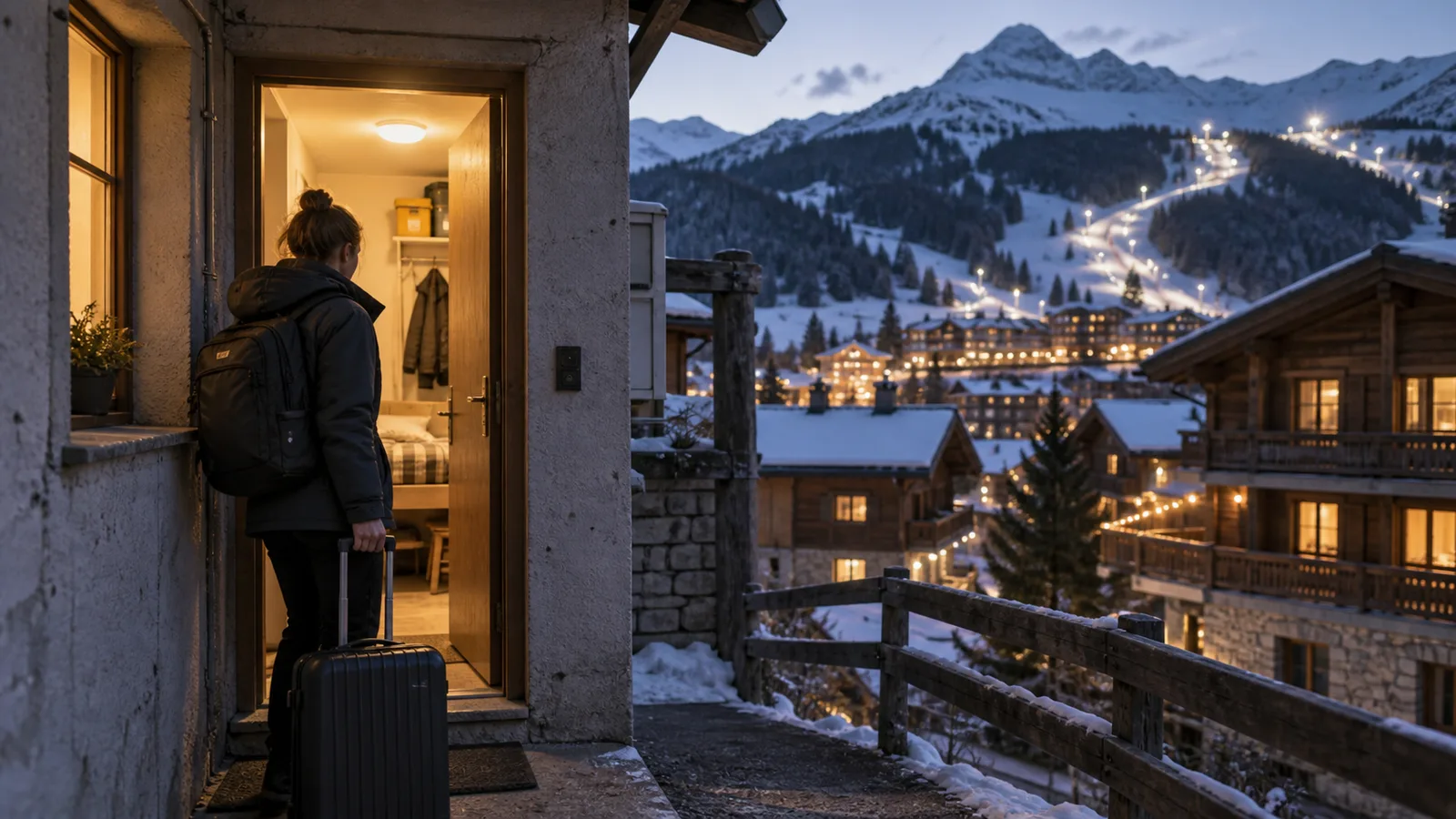
Resort Staff Shortages Start With Housing
A new study reveals why seasonal workers do not choose jobs based solely on salary. Affordable rooms and suitable rental contracts become essential tourist infrastructure.
A hotel bed can be sold if enough people clean, cook, and welcome guests. However, many resorts lack another bed for these employees: an affordable one for the months of their season. A new study commissioned by the Federal Office for Housing (BWO) shows that staff shortages in tourism are not only due to wages and working hours. They often begin with the search for accommodation.
Researchers at the University of Lausanne conducted 95 interviews, including 84 with seasonal workers, in Adelboden, Leysin, Saas-Fee, and Villars-sur-Ollon. The selection covers locations in the cantons of Bern, Vaud, and Valais, but not all Swiss destinations. The study is qualitative: it explains experiences and mechanisms but does not provide a national vacancy rate for staff accommodation.
Four Requirements Rarely Met Simultaneously
Four priorities emerge from the discussions. First, the rent must be affordable. Many seasonal workers come to the mountains to earn money for a few months and save some of it. High rent undermines this goal. Second, proximity to the workplace is crucial because shifts start early, end late, or are split by break times. Third, employees expect clean, functional rooms and a minimum of privacy. Fourth, the start and end of the rental agreement must match the season.
The combination of these factors is particularly challenging. An inexpensive apartment in the valley is of little use if public transport no longer runs after a late shift. A furnished room can be practical but unattractive if it is only available with a year-round contract. And employer-provided accommodation resolves the search but links employment and home: if the employment relationship ends, the housing can also be lost.
Why the Bottleneck Affects Tourist Offerings
The study documents that the housing situation influences whether employees accept a job and return for the next season. This creates a chain of costs for businesses: they must recruit more frequently, train new employees, or acquire and manage housing themselves. If positions cannot be filled, rooms remain closed, opening hours are shortened, or services are simplified.
Whether and by how much restaurant or hotel prices increase as a result was not measured. Therefore, a direct price hike cannot be deduced from the interviews. However, economically it is clear that the additional costs occur somewhere: for staff through high rents, for businesses through accommodation and recruitment, or for guests through higher prices and a smaller range of services.
Not Every Resort Faces the Same Problem
The four destinations differ in accessibility, proportion of second homes, season duration, and housing availability in neighbouring communities. This is precisely why the study warns against a single magic bullet solution. A place with good bus connections can open up housing outside the centre. In a remote valley, accommodation close to the business is more important. Where many apartments are used for tourism, seasonal workers also compete with more lucrative short-term rentals.
A blanket call for new constructions also falls short. Seasonal work creates peaks: demand can be high in winter, and units may stand empty between seasons. Depending on the location, more sensible solutions could include flexible rental models, staff housing jointly operated by businesses, temporary use of existing buildings, or municipal housing agencies. It is crucial that quality, rental price, and contract duration are planned together.
Housing Becomes Part of Personnel Policy
For employers, the job description changes accordingly. A salary offer without realistic accommodation can be incomplete in a tight market. Businesses offering reliable housing gain a recruitment advantage. At the same time, rules are needed so that employees do not lose both their job and their housing during conflicts.
For municipalities, staff housing is not merely a social issue. It co-determines how many hotels, restaurants, mountain railways, and shops actually operate during the season. A place may have full guest beds and still lose tourist capacity if the people behind the offering cannot find a place to live.
The new study does not quantify the shortage for all of Switzerland. Its value lies elsewhere: it shifts the debate from abstract «labour shortages» to concrete decisions about rent, distance, privacy, and contract duration. Therefore, anyone who wants to solve the staffing problem must not only facilitate job placements but also treat housing as part of the tourist infrastructure.