
Iran signals return to the deal — under hard conditions
Tehran offers new talks, but demands an end to the fighting, the release of frozen Iranian assets and an end to the naval blockade. The June compromise is both a reference and a warning.
Iran has transmitted conditions for a return to the negotiating table to Washington via Qatar. Mohsen Rezaei, secretary of the Supreme National Security Council, named three core demands in an interview: an end to the war «on all fronts», the release of frozen Iranian assets and an end to the American naval blockade. According to Iranian statements, Pakistan is also involved in the mediation.
That is a diplomatic signal, but not yet a breakthrough. Tehran declares its willingness to hold talks, yet demands key concessions already for a workable settlement. The United States has not publicly agreed to this. At the same time, military incidents and disputes over shipping in the Strait of Hormuz continue.
The June agreement provides the blueprint
The Iranian demands are not new. In June, the United States and Iran signed a memorandum providing for a permanent halt to military operations, the gradual lifting of the naval blockade, access to frozen assets and negotiations on a final agreement. The published text also contained mutual commitments to sovereignty and non-interference.
The agreement did not hold. After renewed attacks, Washington declared the memorandum terminated in July; mediators then tried to rescue the process. Both sides accused each other of breaching it. The recourse to the document is therefore ambiguous: it offers a structure that has already been negotiated, but it also recalls that paper offers little protection without monitoring and conflict resolution.
«All fronts» makes the negotiation a regional one
The wording on ending the war on all fronts reaches beyond direct American-Iranian hostilities. The June memorandum explicitly mentioned Lebanon. Tehran also links its security to conflicts in which allied groups or regional partners are involved. That increases the number of actors whose behaviour can sustain or destroy an agreement.
A comprehensive regional calm would be valuable, but harder to control than a bilateral ceasefire. Washington would have to clarify which actions by Israel or other partners fall under the arrangement. Iran would have to set out which obligations it can enforce on allied groups. A blanket formula can make political approval easier; implementation requires measurable rules, deadlines and a procedure for alleged violations.
Hormuz remains the practical test
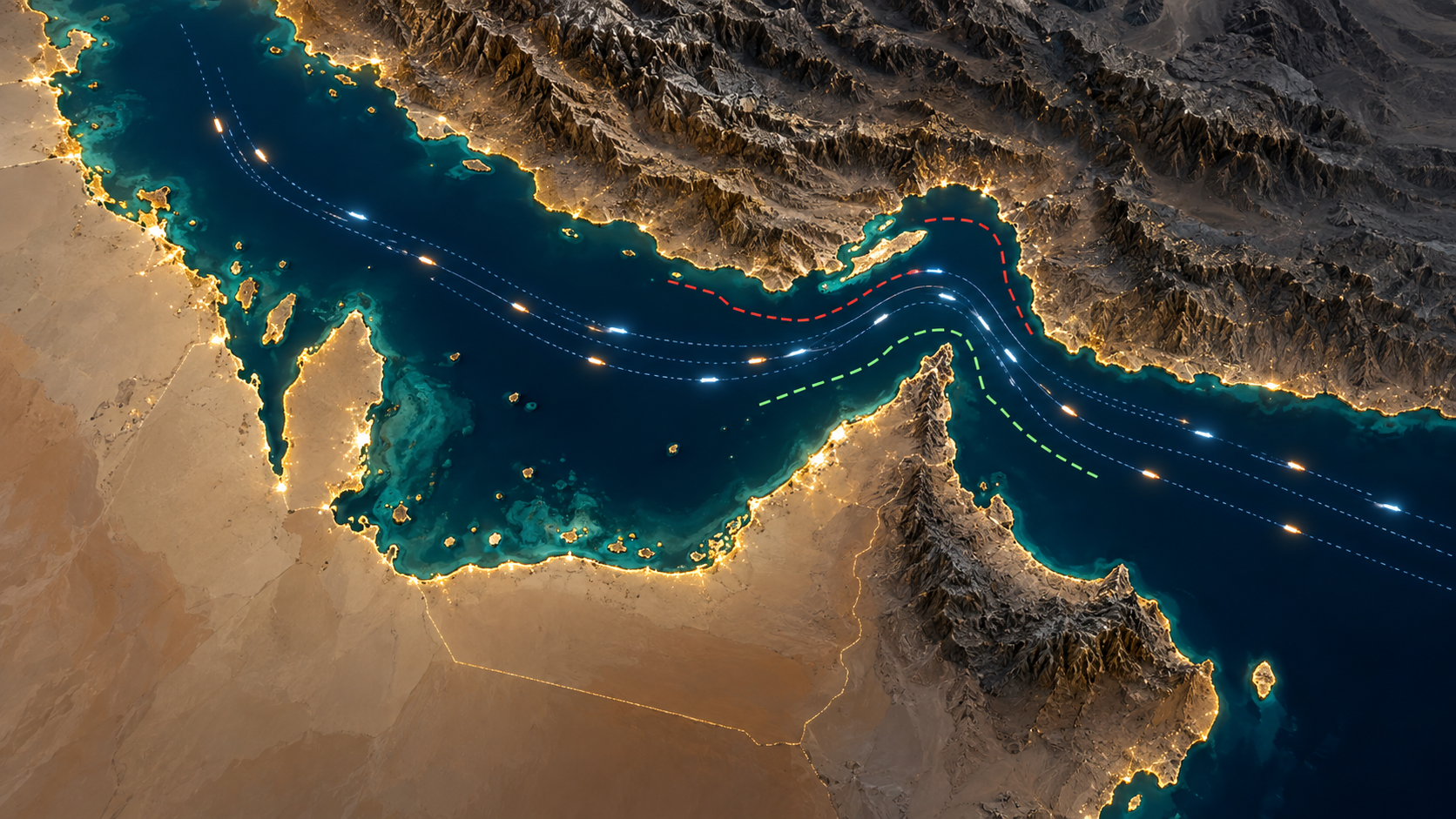
The Strait of Hormuz is a bottleneck for world trade. A large share of globally traded oil and liquefied gas shipments passes through the strait. In 2026, transits fell sharply at times while Iran and the United States accused each other of blockades and attacks. As recently as Friday, Iran reported an attack on a tanker that had attempted the passage; the account of what happened is disputed between the parties to the conflict.
A new agreement would therefore have to do more than speak of «open shipping». Verifiable transit corridors, clear inspection rules, communication between naval units and independent recording of incidents would be needed. Without such mechanisms, any single tanker can once again become a political trigger.
What it means for Switzerland
As a protecting power, Switzerland has represented American interests in Iran since 1980 and can relay consular messages between the two states. The current main mediators are Qatar and Pakistan; Bern is therefore not automatically part of this round of talks. Nevertheless, a functioning Swiss channel remains important when direct contacts break off or consular questions have to be clarified.
For the Swiss economy, energy prices, transport costs and sanctions are above all relevant. A de-escalation could lower risk premiums in oil trading; that is a possible effect, not a guarantee. Banks and exporters are likely to handle restrictions more loosely only once American and international rules have been formally changed. A political declaration alone does not lift a sanction.
Tehran's message is: there is a way back. Whether it is real will be decided by verifiable steps — a durable ceasefire, safe shipping, released funds and a procedure that catches the next dispute before it turns into war again.


