Nvidia Increases AI Chip Prices by Over 15 Percent
Cost Increase Expected for Swiss Tech Companies and Start-ups
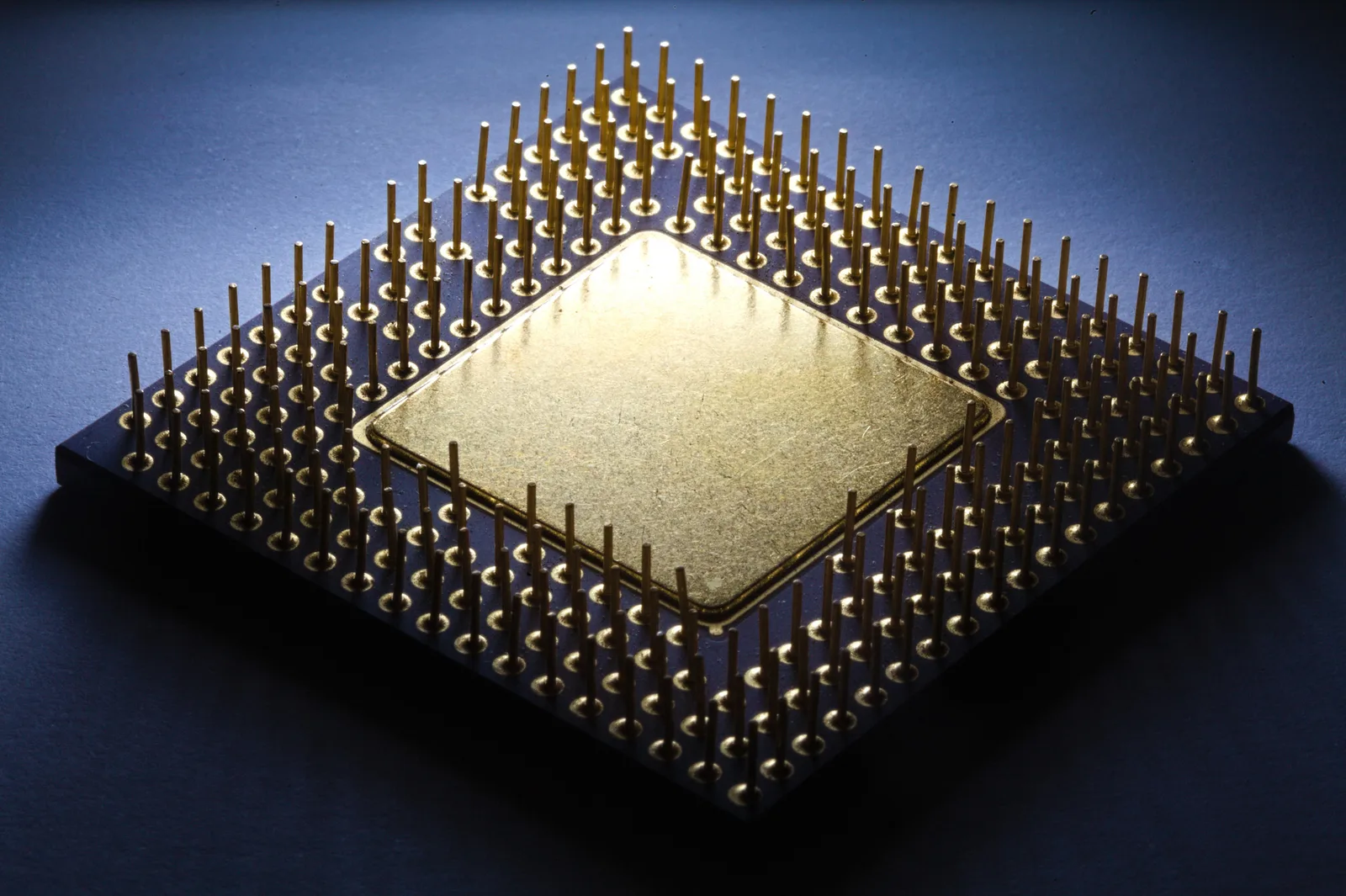
California-based chipmaker Nvidia informed customers about price increases for AI processors. These apply to various models of the current product range. The company justifies the move with increased production costs and continuously high investments in research and development.
Nvidia holds a dominant position in the market for specialized AI chips. The processors are used for training and operating artificial intelligence. Companies worldwide rely on this hardware to develop and run AI applications.
Impact on Swiss Companies
For the Swiss technology sector, the price increase means additional costs. Numerous companies and start-ups rely on Nvidia hardware for their AI projects. This particularly affects companies in the financial sector, healthcare, and industrial production that use AI systems.
Swiss data centers offering cloud services with AI functions must anticipate higher investment costs. The additional costs could be passed on to business customers. Start-ups with limited budgets may need to delay their AI projects or seek alternatives.
Market Position and Competition
Despite the price increase, demand for Nvidia chips remains high. Competitor products from AMD or Intel have gained limited market share so far. Nvidia's specialized software infrastructure, especially the CUDA platform, ties many developers to the company.
Industry observers expect Nvidia to leverage its dominant market position to set prices. The company's profit margin for AI chips is significantly higher than for traditional graphics processors. The company's stock has risen sharply over the past two years.
Outlook for AI Development
The price increase could slow the adoption of AI technology. Smaller companies might struggle to invest in the necessary hardware. Larger corporations with adequate budgets are likely to be less affected.
Experts are already discussing potential long-term consequences for Switzerland as an innovation hub. Higher entry costs for AI technology could slow the development of new applications. Conversely, the situation might incentivize alternative solutions, such as cloud-based models or the use of more energy-efficient architectures.
Whether the price increase shifts market dynamics remains to be seen. Nvidia's dominant market position could attract the attention of competition authorities in various countries. Further developments also depend on how quickly competitors can offer competitive alternatives.