US-Canada Trade Dispute: No Agreement in Sight
New Round of Negotiations Brings No Breakthrough
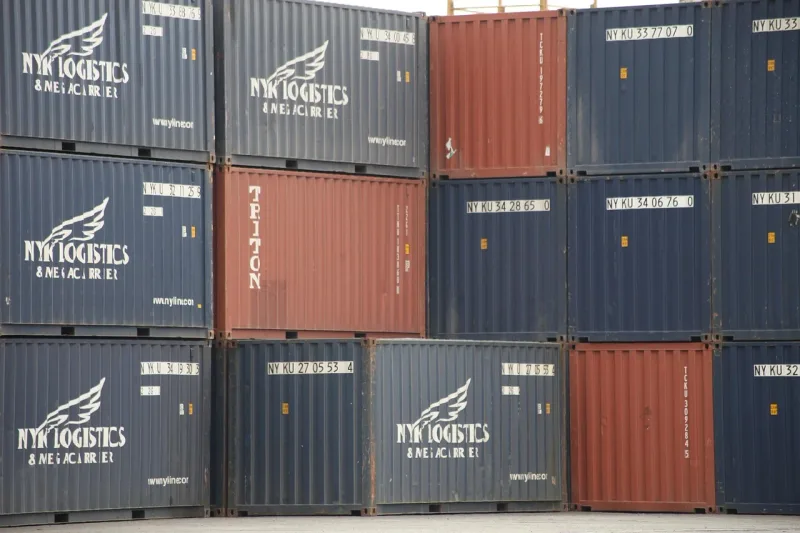
Trade talks between the USA and Canada have failed. Canadian Prime Minister Mark Carney announced on Friday night that negotiations would be suspended. The USA now intends to impose a 50 percent tariff on Canadian goods worth approximately 28 billion US dollars. Canada stated it would retaliate with measures of equal value.
Negotiations Conclude Without Agreement
After days of talks, Washington and Ottawa could not reach an agreement. US Trade Representative Jamieson Greer confirmed the failure of the negotiations. According to the US, Canada rejected a deal based on previously negotiated terms. New demands from Ottawa reportedly altered the balance achieved in recent days.
The planned US tariffs are intended to affect goods such as wine and hockey sticks, among others. The measures had been announced previously, and the deadline for an agreement has now expired.
Canada Announces Countermeasures
Canada plans to respond to the new US tariffs with its own duties. Prime Minister Carney announced that Canadian countermeasures would match the scope of the American tariffs. This threatens a further escalation of the trade conflict between the two closely linked economies.
The USA and Canada are among each other's most important trading partners. Numerous companies are connected through cross-border supply chains. Additional tariffs can therefore impact not only exporters but also producers and consumers on both sides of the border.
Automotive, Steel, and Aluminum Sectors Also Affected
The current dispute is related to a larger trade conflict between Washington and Ottawa. Existing US tariffs on steel, aluminum, and automobiles already burden the Canadian economy. The negotiations were intended, among other things, to facilitate relief in key industries.
For Canada, the situation is particularly relevant because the USA is by far the country's most important trading partner. A prolonged escalation could impose additional costs on businesses and complicate investment decisions.
Consequences Beyond North America
The conflict is also being closely watched internationally. A further deterioration of trade relations between the USA and Canada could increase uncertainty in global trade and place additional burdens on companies with international supply chains.
For Switzerland and Europe, the focus is initially less on the direct economic impact and more on the development of international trade policy. Should the USA extend its tariff policy to other trading partners, this could also become significant for the Swiss export industry.
No new round of talks is currently scheduled. Thus, it remains unclear when the USA and Canada will resume their negotiations and whether further rapprochement can occur.