Archive
October 2026

After Oslo talks: Witkoff to carry proposals to Russia
Witkoff is to pass ideas from Oslo to the Russian leadership. What governments have confirmed and why progress in talks does not yet mean a ceasefire.

Revolut reports normal operations – the outage shows the cloud risk
Revolut is working again according to its Swiss status page. What is known about the cloud outage and what customers should watch for with pending payments.

Robot surgery grows fast – statistics leave quality questions open
Robot-assisted surgery is spreading quickly in Swiss hospitals. What the new statistics show about case numbers, costs and length of stay – and what they explicitly do not support.

Starshield, not Starlink: What Ukraine infers from the cap
In Ukraine, military Starshield terminals are reportedly restricted when moving faster than 160 km/h. The case shows how important it is to separate technical facts from political interpretation.
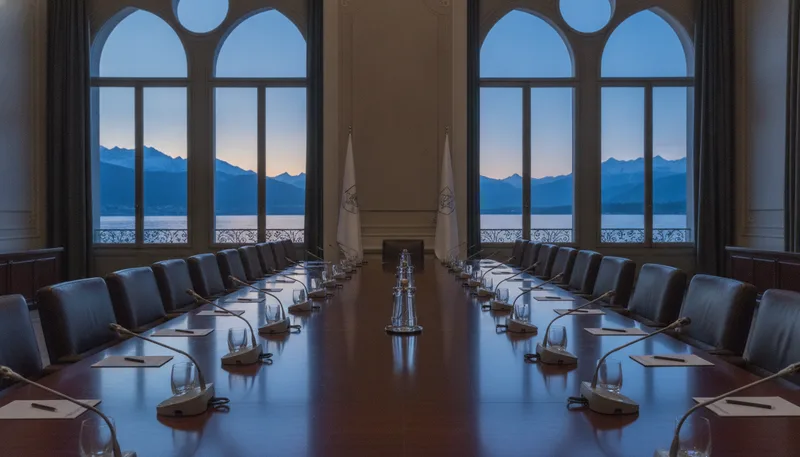
Iran's guarantee demand is no breakthrough – Switzerland still matters
Iran signals willingness to talk under conditions. But there is no date, no US commitment and no new agreement. Why Switzerland's protecting power role still carries weight.

DeepSeek updates its AI model: What Swiss users should check first
DeepSeek promises a faster and more efficient model with V4.1-Flash-1017. What is officially documented, what remains independently open, and which checks are needed in Switzerland.
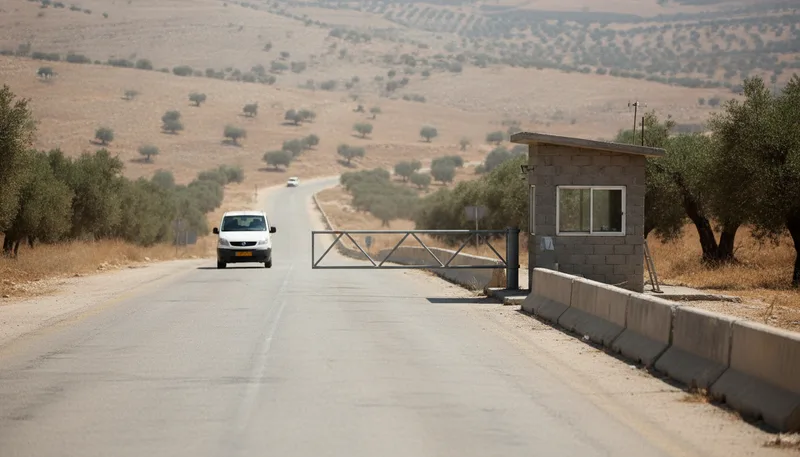
European diplomats attacked in the West Bank: what Israel must clarify
A visit by European diplomats to the occupied West Bank ended in an attack by Israeli rioters, according to Belgian accounts. What is confirmed – and what remains open.
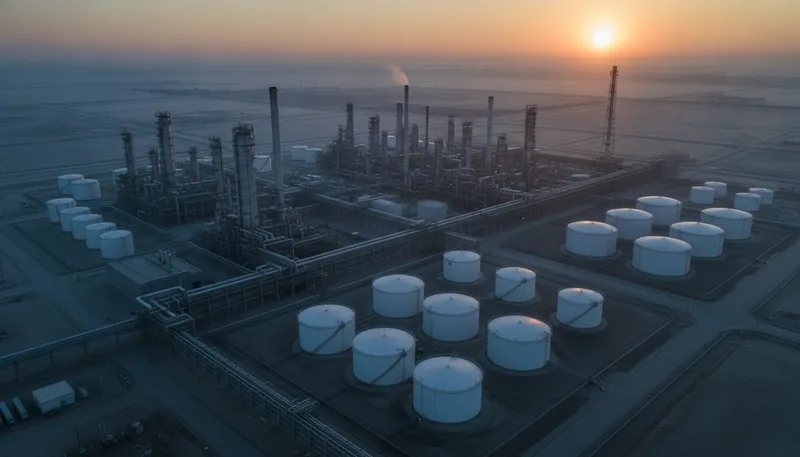
Ryazan and the oil market: what a reported refinery outage tells us
After drone attacks, a key unit at the Ryazan refinery is said to be at a standstill. Why the report is a signal – but not a complete production balance.

Apple Pay at a UK tribunal: what the case means for competition
Apple Pay faces proceedings in the UK. Why access, security and competition in mobile payments cannot be assessed separately.

Parmelin in Hanoi: EFTA Signature Is Only the Beginning
Guy Parmelin's visit to Hanoi is dominated by trade and innovation. Why the announced EFTA signature matters for Swiss companies – and what it does not yet change.

Yemen: Report on new UAE-Saudi coordination stays unconfirmed
A media report about new UAE-Saudi coordination in Yemen suggested far-reaching consequences. Official bodies have so far not confirmed the central arrangement.

Third Ebola case in Kenya: what contact tracing must deliver now
According to the WHO, Kenya's third Ebola case was already in quarantine. Why that is an important signal – and why it does not yet justify an all-clear.

GESDA summit: anticipation becomes a tool of diplomacy
More than a thousand people discussed AI, neurotechnology and space at the GESDA summit. What matters is whether foresight turns into concrete, transparent policy.
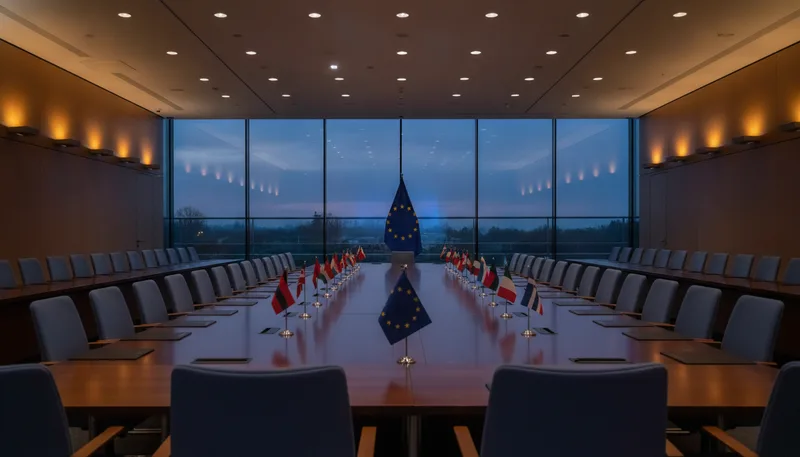
EU enlargement: when a veto overshadows reform progress
The veto is meant to protect member states. In EU accession talks it can place national disputes above a candidate's verifiable reforms.

Reading measles figures: the cut-off date is part of the report
High measles counts need clear framing: what is confirmed, what is still being reported late, and why the cut-off date remains decisive for assessing the outbreak.
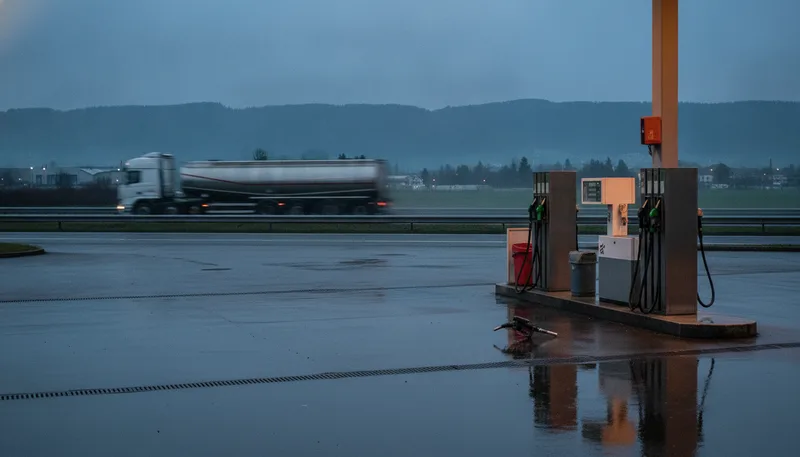
Oil above $110: why Swiss pumps don't follow one-to-one
The oil price reacts to supply risks. Why a new high in crude oil does not reach Swiss filling stations immediately or in full.
ISIL and Al-Qaida sanctions: why the amendment note counts
SECO has amended the ordinance on ISIL and Al-Qaida. What counts is the binding version and its entry into force – not the mere notice in the newsfeed.
FATCA group requests: what the publication means for those affected
The Swiss Federal Tax Administration (ESTV) has published new notices on FATCA group requests. What matters is not the entry alone but what it reveals about notification, legal remedies and future data exchange.

Italy protests: what escalated in Milan and Bologna – and what did not
Clashes in Milan and Bologna have pushed Italy's purchasing-power debate into focus. What is documented – and what a single day of protest cannot show.
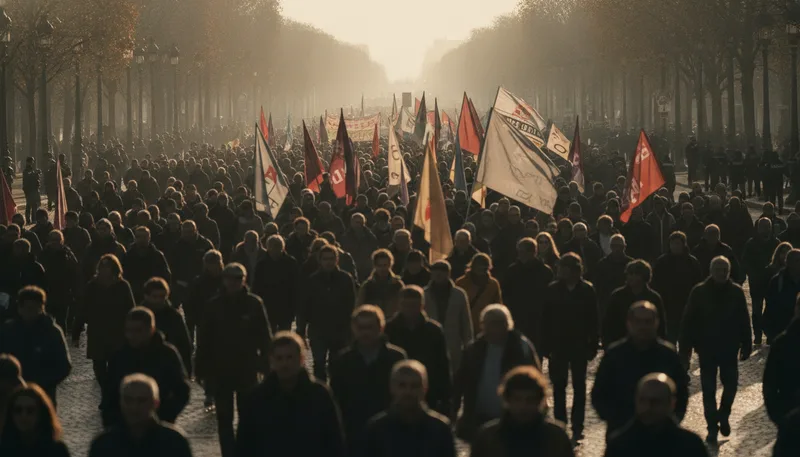
France's protests: prices are the trigger, not a unified movement
France experienced a conflict-laden day of protest. Price statistics and confidence data explain part of the discontent, but not the whole political movement.
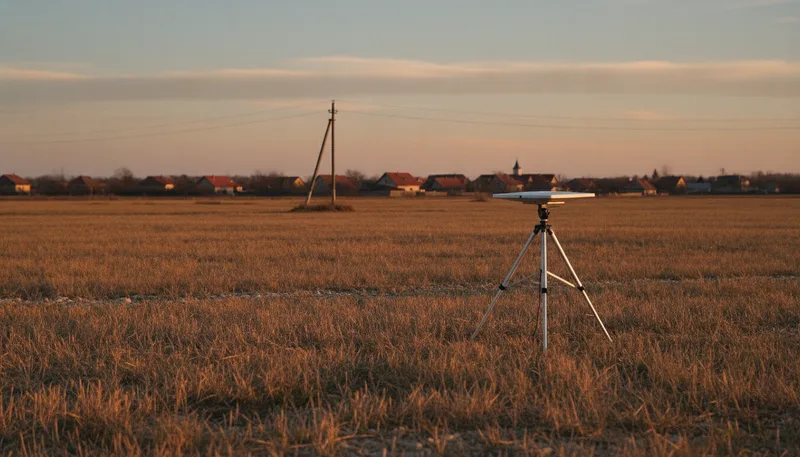
Starlink in Ukraine: a denial does not settle who is in charge
The dispute over satellite access shows how private technology becomes critical infrastructure. Why a denial leaves the technical and contractual questions unanswered.
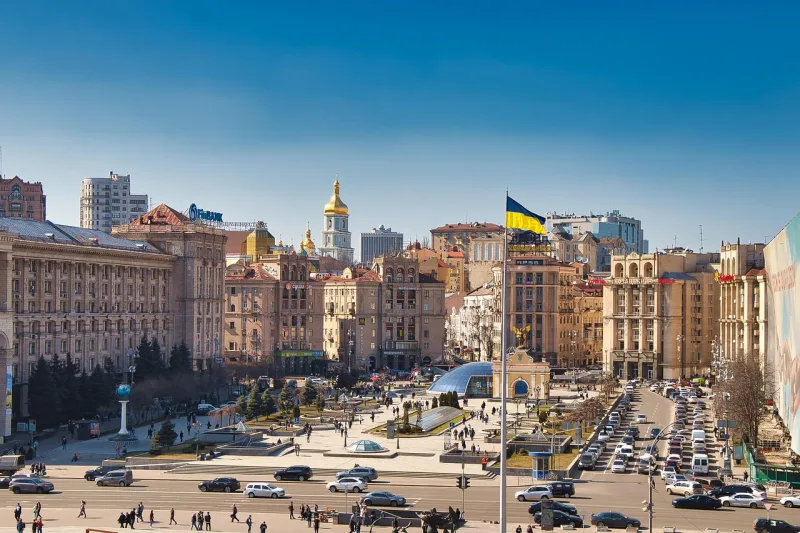
20 million refugees – warning or leverage?
At the EU summit, Zelensky warns of up to 20 million refugees if Ukraine is defeated. The article puts the aid provided so far, corruption risks and the political effect of the warning into context.

Internet censorship monitor: what a blocked website really shows
Deutsche Welle's internet censorship monitor combines its own measurements, local observations and OONI data. Its most important statement lies in what it explicitly does not measure.

Switzerland and UK: Why the strategic dialogue is getting concrete
Switzerland and the United Kingdom want to deepen their cooperation following the new financial market rules and the modernised free trade agreement. The dialogue is more than diplomatic routine.