BLT bodycams: why the legal route must settle more than safety
The FDPIC sees no sufficiently specific basis for recording images and sound. BLT is now having that view reviewed by a court.
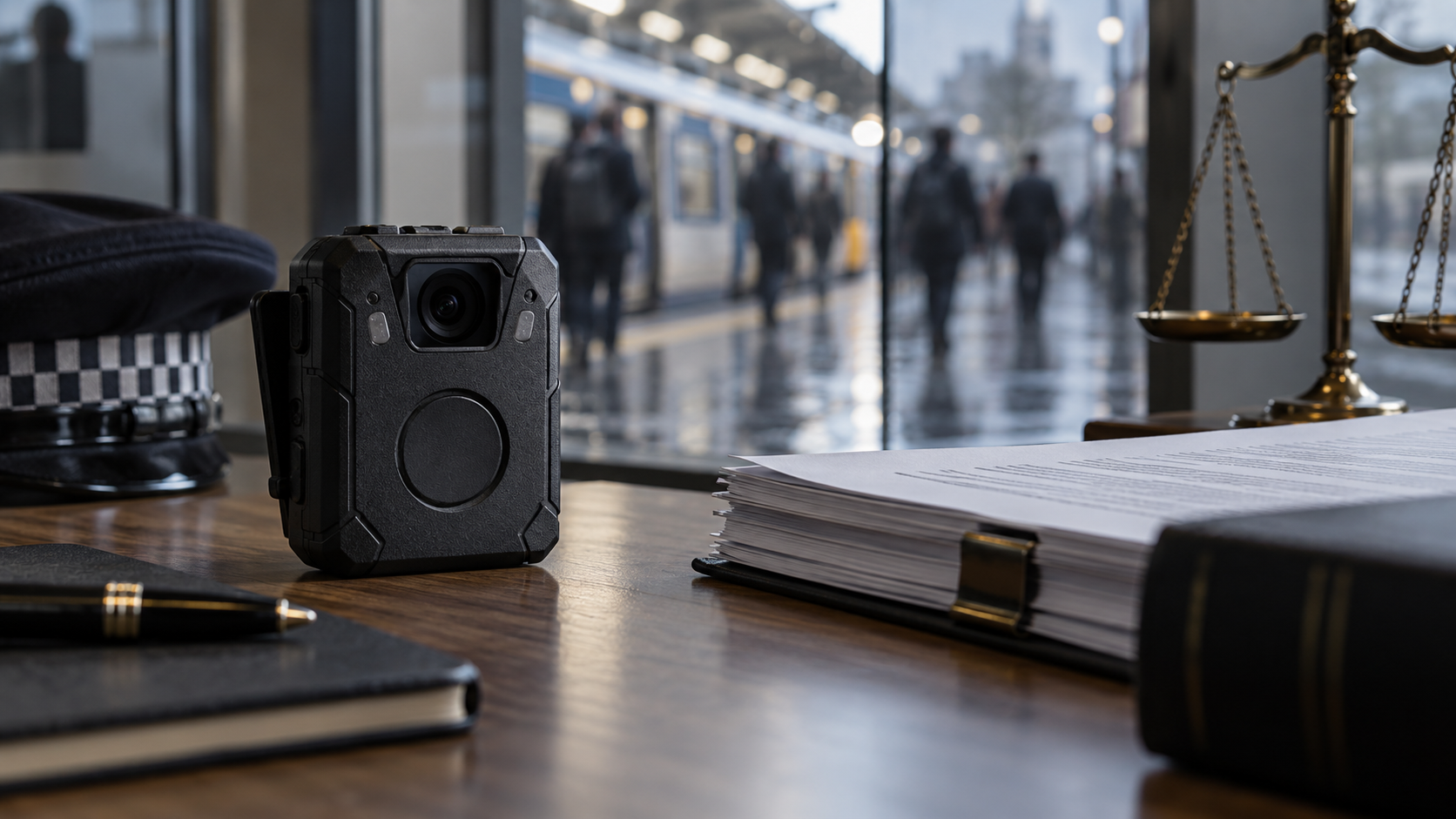
Baselland Transport AG (BLT) wants to take the dispute over bodycams to the Federal Administrative Court. The starting point is a ruling issued by the Federal Data Protection and Information Commissioner (FDPIC) on 29 September 2026. It is not merely about whether cameras can help in tense situations. At its core is the question of whether a transport company has a sufficiently specific legal basis for using them.
The FDPIC notes that the devices used by BLT are capable of recording moving images and sound of passengers and employees. In the authority's view, the existing basis in passenger transport law is not sufficient for this processing of particularly sensitive situations. It therefore ordered that the use be stopped and the data collected be deleted. According to Regionaljournal Basel Baselland, BLT has announced that it will have the ruling reviewed by a court.
Safety is a goal, not a legal basis
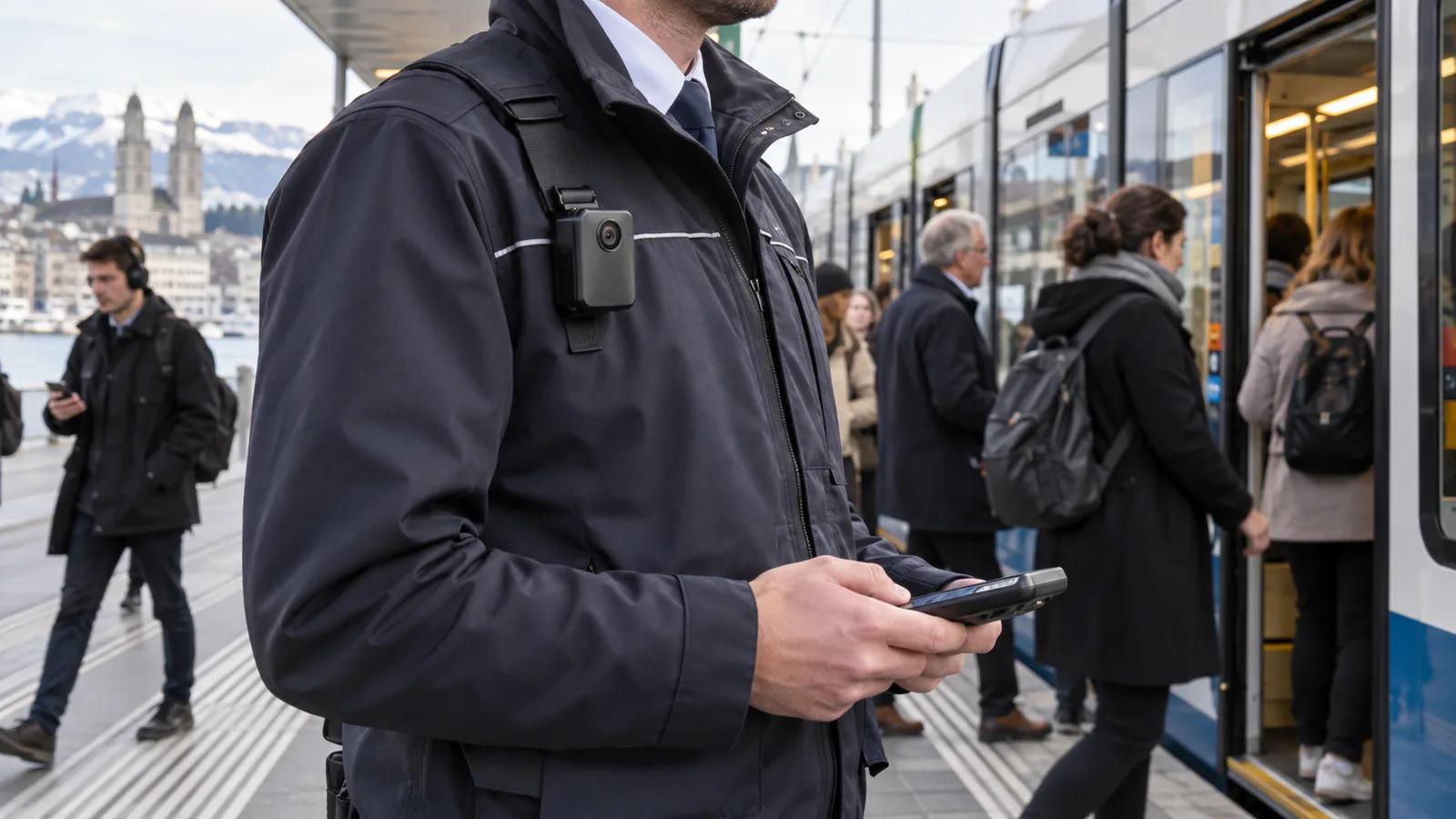
Bodycams in public transport are usually justified by the aim of protecting staff. They can have a de-escalating effect and secure evidence when assaults occur. That does not, however, automatically amount to permission to record the image and sound of everyone within reach.
Under the rule of law, any interference with privacy requires that the purpose, scope and limits of data processing be regulated with sufficient clarity. The decisive factor is not only whether the camera is worn visibly. It is equally about when it may be activated, how long recordings are kept, who may view them and how those affected can assert their rights.
After an investigation, the FDPIC concluded that the general provisions of the Passenger Transport Act and its ordinance are not sufficient for the specific recording practice. Its ruling is an administrative decision, not a court judgment. That is precisely why BLT now has the opportunity to challenge it before the Federal Administrative Court.
What the court will actually examine
The Federal Administrative Court will not rule in the abstract on bodycams in public transport. It reviews the contested ruling and therefore the specific legal situation and the specific processing of personal data. Put simply, the question is: does current law cover the recording planned by BLT with sufficient specificity?
The proceedings could take on significance beyond Basel-Landschaft. Transport companies are under pressure to protect employees from violence and threats. At the same time, they operate in spaces where passengers cannot easily avoid being recorded. A judicial clarification could therefore set important guardrails for similar projects.
A judgment will not necessarily mean that bodycams are either permitted everywhere or banned everywhere. More precise rules on activation, storage duration, access and information for those affected are also conceivable. If the court finds the legal basis insufficient, the next step would lie with the legislature.
The conflict remains a practical one
For employees, the debate is not theoretical: it concerns their safety in everyday working life. For passengers, it touches on the question of what data may arise on a public transport vehicle. Both can only be resolved together. The legal route offers the chance not to play security interests off against data protection, but to define the limits in a way that can be followed.
Until the decision is handed down, the position is this: the complaint has been announced, the legal question remains open. Anyone who already proclaims a definitive victory for data protection or for bodycams goes beyond what is documented.