Car-Free Month: Experiment with Mixed Reactions
31 Days Without a Car – a Liberation for Some, a Mere Attempt for Others
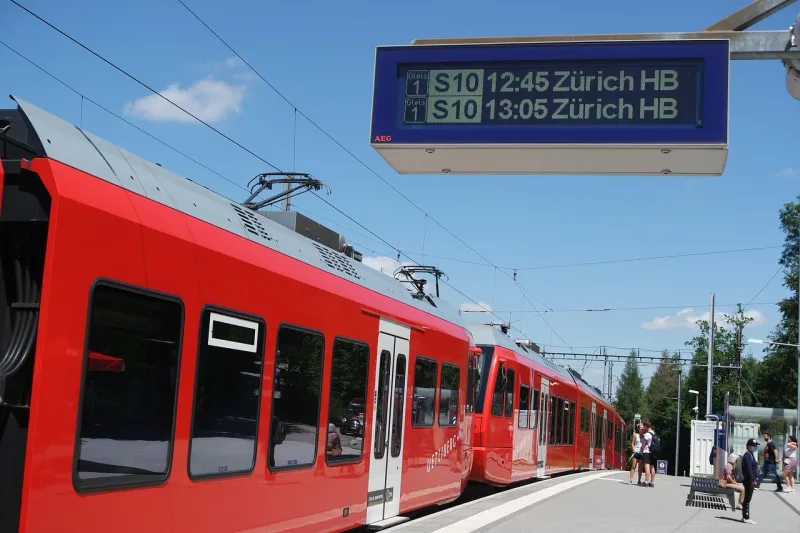
31 days without a car – an experiment met with mixed reactions in Switzerland. While city dwellers describe foregoing a car as feasible, residents of rural regions encounter practical limitations. This is what participants who took on the challenge report.
Urban Participants Appreciate New Freedoms
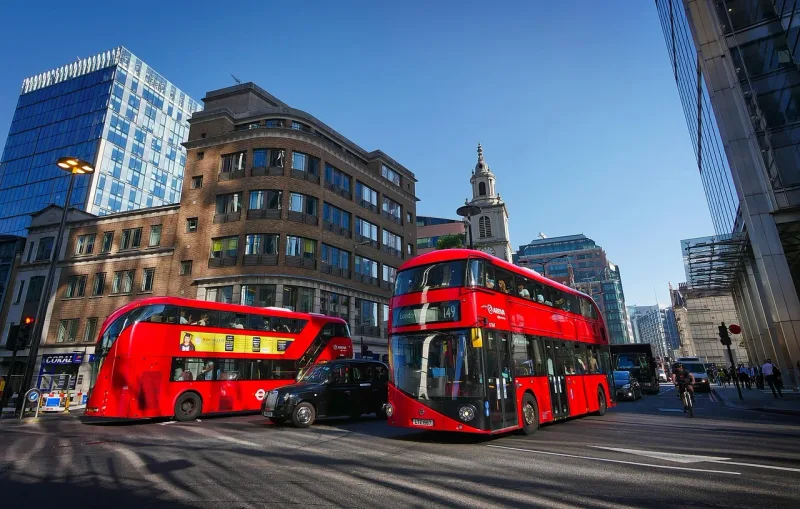
In Zürich, Basel, and Bern, participants report positive experiences. Public transport, bicycles, and e-scooters become alternatives. Participants from Zürich reported gaining time, as they could read during their tram commute. Others value the physical exercise from cycling to work.
Urban infrastructure facilitates foregoing a car. Short distances, frequent public transport, and cycle paths are available. Shopping is done more often and in smaller quantities. Car-sharing services serve as an emergency solution for transport needs.
Rural Regions Face Limitations
The situation in rural areas is different. Participants from the Berner Oberland and Thurgau report difficulties. Long waiting times, missing evening connections, and long distances complicate daily life. "Without a car, I cannot manage my workday," says a participant from a rural community.
Shopping becomes a challenge. Heavy loads are difficult to transport without a car. Spontaneous appointments or childcare are also hard to organize without a personal vehicle. Many participants abandon the experiment early or use their car in exceptional cases.
Experts See Potential and Hurdles
Mobility experts assess the experiment with nuance. "In cities, giving up a car is feasible with good planning," says a traffic planner. In rural areas, however, investments in infrastructure are needed. More bus lines, better cycle paths, and flexible services like on-demand buses are necessary.
It is widely acknowledged that behavioral changes require time. Those who live a month without a car often adopt individual habits permanently. Commuting by bicycle or refraining from short car trips often persist.
The environmental footprint is another aspect. Fewer car journeys reduce CO₂ emissions. However, only a permanent change yields long-term effects. However, only a permanent change yields long-term effects. Promoting sustainable mobility requires political measures.
The experiment shows: The car-free month works differently well. Urban regions offer the prerequisites, while rural areas require improvements. Whether foregoing a car is permanently successful depends on individual circumstances and available infrastructure.