Dental Radiology: Suspected Fraud in Western Switzerland
Prosecutor's Office Investigates Billing Fraud
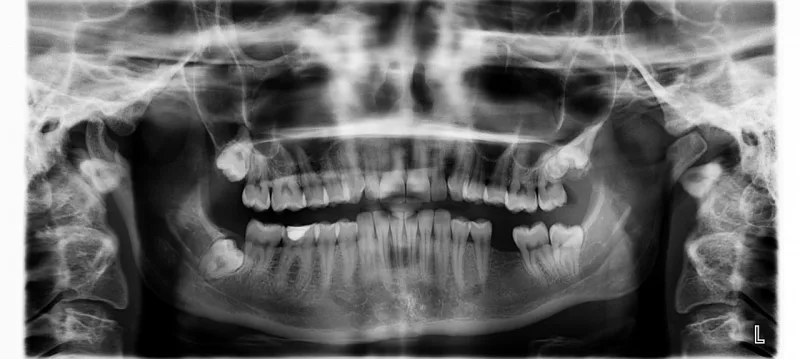
Billing fraud by dentists, involving charges for X-ray services without the required cost approvals, can prompt criminal investigations by the public prosecutor's office. The full scope of the suspected fraud remains unclear.
X-rays are standard dental examinations. They help identify issues such as cavities, periodontal diseases, or jaw anomalies. For treatments covered by basic insurance, a cost approval from the health insurer is mandatory. This approval is only granted if the X-ray is medically necessary. Dentists must secure this authorization prior to treatment. Billing without it constitutes a breach of tariff compliance and may be classified as fraud.
The Allegations Against the Dentist
The precise scope of the irregularities forms the core of the ongoing investigation. It centers on X-ray images billed without the mandated approvals. The public prosecutor's office must determine if these are isolated incidents or a systematic pattern. They are analyzing practice records and interviewing affected patients and insurers to gather evidence.
The health insurers who paid the invoices have now suspended payments. They are currently evaluating whether to pursue civil claims against the dentist. The alleged fraud is considered a property offense. In Switzerland, billing fraud carries penalties of up to five years imprisonment or a fine. Professional sanctions are also possible.
Control Mechanisms in the Healthcare System
Dentists' invoices are routinely audited by health insurance providers. Insurers maintain dedicated departments to scrutinize every bill. Discrepancies are flagged or rejected. Cantonal authorities oversee professional conduct and can revoke practice licenses for non-compliance.
Despite these measures, cases like this demonstrate the limitations of current controls. Swiss healthcare largely operates on the integrity of its service providers. When individuals exploit this trust, the entire system faces scrutiny. Experts advocate for a more robust auditing framework.
Consequences and Open Questions
This case is expected to intensify discussions on healthcare digitalization. Electronic transmission of cost approvals between doctors, patients, and insurers could mitigate misuse. The electronic patient record, advanced by the Federal Council and Parliament, marks an initial step. Billing processes are also slated for complete digitalization.
The case's progression is being closely monitored. The public prosecutor's office must objectively investigate the allegations. A conviction would send a strong message: billing fraud is not a trivial offense. However, the presumption of innocence applies until a definitive judgment.
The consequences for the affected practice are already evident. The public prosecutor's office has seized relevant documents. It remains uncertain if the dentist can continue practicing. The professional liability insurer is also likely to be concerned about potential claims for damages from the health funds.