Driverless Vehicles: Why Trust Decides Everyday Deployment
New rules open the way for driverless vehicles on approved routes in Switzerland. But acceptance does not come from technology alone.
Driverless vehicles in Switzerland are no longer just a pilot scheme. Since March 2025, the law has permitted driverless vehicles, among other things, on routes approved by the authorities. Since January 2026, directives from the Federal Roads Office have set out how cantons should assess deployment areas. The legal opening answers only one side of the question, however. Whether such services take hold will be decided by the people who are meant to get in.
Safety has to become visible
For a deployment area, ASTRA requires an assessment of road safety, traffic flow and the needs of slow-moving traffic. Operators must demonstrate that a route is suitable. Conditions may be adjusted or lifted if the supervisory authority produces new findings. That shows autonomy is no free pass for every vehicle on every road.
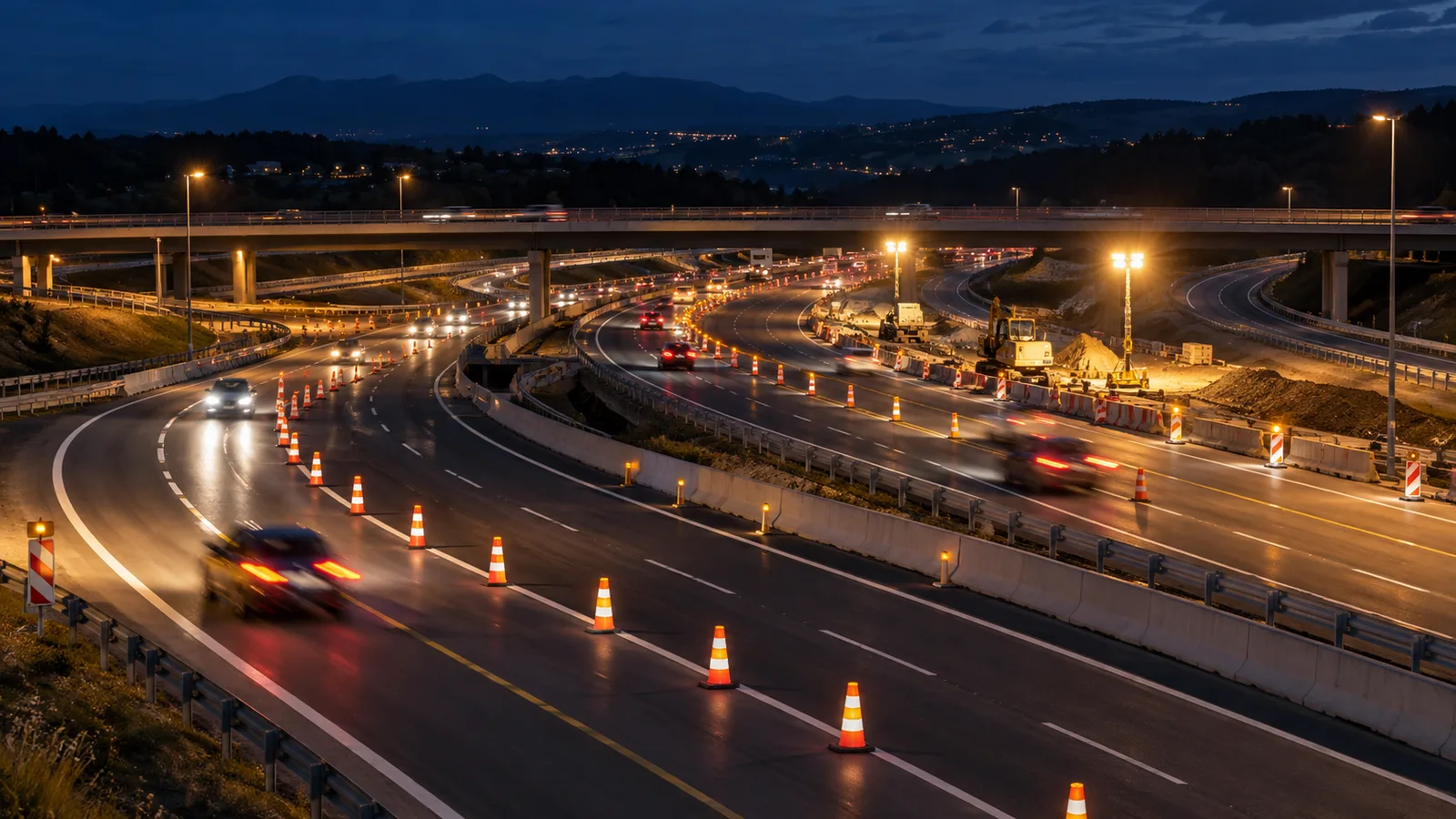
For passengers and other road users, though, the legal basis is only indirectly visible. Trust grows out of behaviour that can be followed: does the vehicle stop at a zebra crossing in a way that makes sense? What happens at roadworks, in snow, during a radio outage or in a medical emergency? Is there a contact person who can actually be reached? Who reports faults and near misses?
Acceptance is not a marketing metric
Accompanying research by Swiss Transit Lab and the academic literature on social acceptance address these questions explicitly. Users weigh not only technical performance data but also control, fairness, data protection and the effect on jobs or public space. Safe operation can still be rejected if people feel excluded or do not understand who carries responsibility.
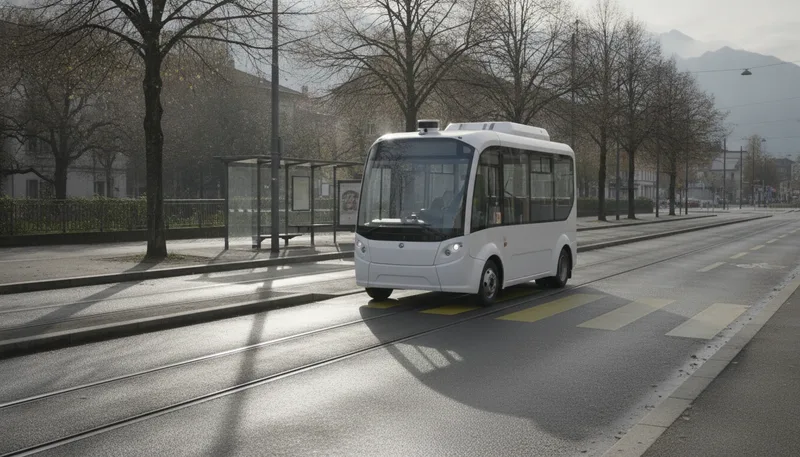
For Switzerland, this decentralised implementation is demanding. Cantons approve deployment areas, while municipalities and transport companies have to take local conditions into account. A shuttle in a clearly bounded zone can trigger different expectations than a driverless service in dense city traffic. Transparent pilot phases, independent evaluations and channels for feedback therefore matter more than big promises.
The decisive question is not whether a vehicle can drive without a steering wheel. What matters is whether it feels predictable, accessible and accountable in everyday use. Trust builds slowly – and a single poorly explained incident can destroy it quickly.
Sources
- ASTRA, Driverless vehicles: https://www.astra.admin.ch/de/fuehrerlose-fahrzeuge
- ASTRA, Automated driving: https://www.astra.admin.ch/de/automatisiertes-fahren
- Swiss Transit Lab, accompanying research: https://www.swisstransitlab.com/news/begleitforschung-iamo
- SAAM, Social Acceptance Review: https://www.saam.swiss/de/projekte/social-acceptance-review-study/