Europe's Ukraine pledges survive Trump's election defeat
The Democrats win both chambers of Congress. Berlin hopes for additional support for Kyiv; Europe's funding commitments for 2027 already stand.
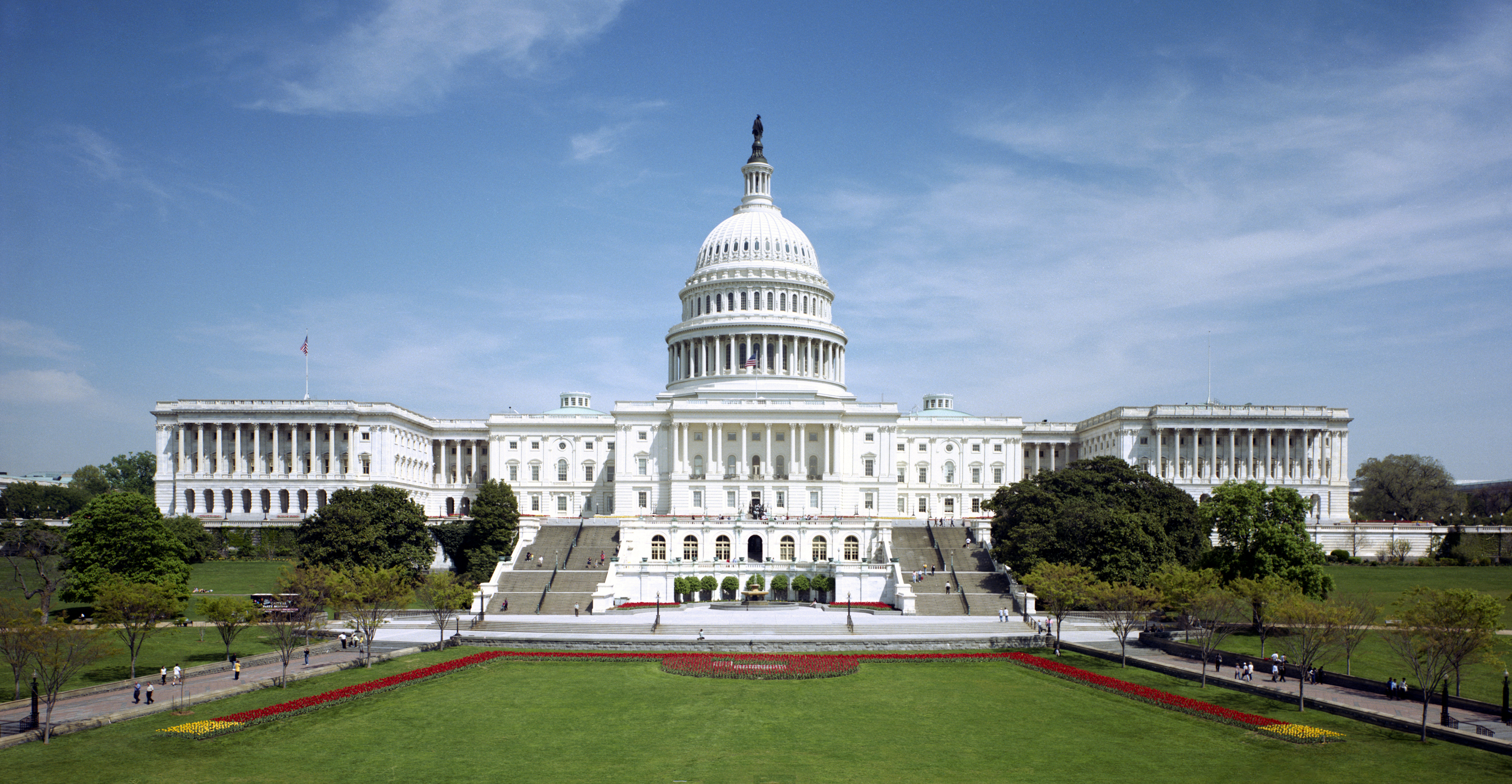
The Democrats have won majorities in the House of Representatives and the Senate in the US midterm elections of 3 November 2026, according to the vote count of the news agency AP. In Berlin this raises hopes of more support for Ukraine. At the same time the German government is sticking to cooperation with Donald Trump: the president remains in office and thus a central interlocutor on trade and security.
The new balance of power does not take effect on election night. The terms of the newly elected representatives and senators begin on 3 January 2027. Until then the outgoing Congress still decides. For Europe this initially creates a transition phase, not an immediate change in American foreign policy.
Berlin hopes for movement on Ukraine aid
German Foreign Minister Johann Wadephul sees opportunities for new cross-party talks on support for Ukraine. In remarks in Berlin reported by Deutsche Welle, he points to supporters in both parties and both chambers. That is a political expectation, not yet a promise of additional weapons or money.
According to the DW report, the government spokesperson avoided assessing the election result and announced continued close cooperation with Washington. Defence Minister Boris Pistorius, for his part, called for a stronger European pillar of NATO. How Trump will act after his party's defeat is not known.
These reactions distinguish two tasks: winning new majorities as interlocutors and continuing one's own defence plans. A changed composition of Congress does not relieve European governments of a commitment they have already entered into.

The bill for 2027 is already on the table
NATO had already committed to further support for Kyiv before the election. In the Ankara summit declaration of 8 July, the allies promised military equipment, assistance and training worth 70 billion euros for 2026. For 2027 they reaffirmed national commitments to maintain at least a corresponding level.
The declaration also states that European allies and Canada now finance by far the largest share of security assistance. The call for more European responsibility is therefore not a new consequence of the American election. It is part of the alliance's already agreed course.
The 70 billion is a joint political commitment by the allies, not a newly approved American aid package. Nor does the wording for 2027 replace national budget decisions. Anyone who derives a specific additional delivery from the Democratic election victory is skipping the decisions needed for it.
Both chambers decide on money
New American spending requires statutory authorisations of funds. This power of the purse gives Congress influence in foreign policy too. The portrayal that Trump could only be restrained domestically after the election would therefore be too sweeping.
The president, by contrast, remains commander-in-chief of the armed forces. On legislation he retains a veto that can only be overridden with two-thirds majorities in both chambers. A Democratic majority alone thus guarantees neither the passage of a new aid programme nor its design. For European partners, what will count in future is which bills actually find majorities and are signed by the president or overcome his veto.
An election result does not lower a single tariff rate
The situation in trade is similar. The constitution assigns tariff authority to Congress. But Congress has, through various laws, delegated limited powers to the president to adjust import duties. A report by the Congressional Research Service (CRS) of March 2026 describes both these authorisations and their limits.
Congress can change statutory bases. But the mere announcement of a new majority is not enough for that. Existing rules do not disappear the morning after the election. Companies therefore cannot yet derive a lower tariff bill from the result; that requires a concrete change in the law or a corresponding decision within existing powers.
The first fixed cut-off is 3 January. That is when the new mandates begin. Until then Berlin and other European capitals must continue their talks with the incumbent government – and reflect their own commitments to Ukraine in their 2027 budgets.
Sources
- National Archives: US Constitution, power of the purse, executive and veto
- National Archives: 20th Amendment, start of new terms
- NATO: Ankara summit declaration, 8 July 2026
- Congressional Research Service: tariff powers, report of 19 March 2026
- AP: Democrats win both chambers, 4 November 2026
- Deutsche Welle: reactions of German politics, 4 November 2026
- Lead image: Architect of the Capitol, west front, Wikimedia Commons, public domain
- Article image: Swadim, NATO headquarters, Wikimedia Commons
- Article image licence: Creative Commons BY-SA 4.0