Greenland deal: more US military presence, no annexation
Washington, Copenhagen and Nuuk expect a new Arctic agreement. But Trump's talk of 'permanent control' goes further than Denmark's account.
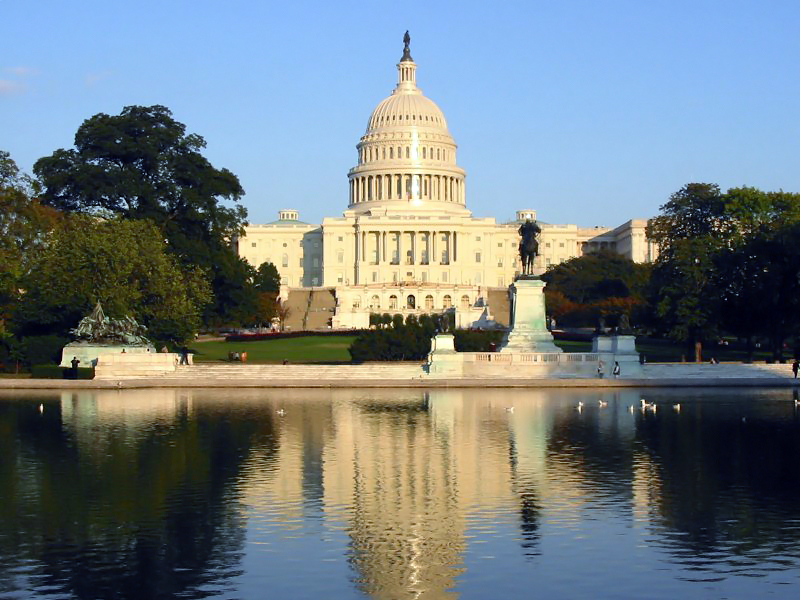
After months of annexation threats, a security policy solution is emerging in the dispute over Greenland. US President Donald Trump declared on Friday that the United States had reached an agreement with Denmark and Greenland that gives Washington «permanent control» over the island's security. The governments in Copenhagen and Nuuk confirmed an expected treaty – but described it far more cautiously.
The Danish statement speaks of strengthened security in the Arctic and the North Atlantic. At the same time, the agreement is to recognise the sovereignty and territorial integrity of the Kingdom of Denmark as well as Greenland's right to self-determination. That is the core of the deal: more American military presence, but no change of ownership and no right for the US to decide Greenland's political future.
Trump's «control» is not the treaty text
Trump stated on Truth Social that no American adversary should in future establish a base, station troops or make sensitive investments without explicit US consent. This claim sounds like a veto. The Danish information published so far does not point to such a comprehensive right of decision. Prime Minister Mette Frederiksen spoke of an expected agreement and stressed that sovereignty remains unchanged.
Journalistically, this difference is decisive. A political announcement is not yet a complete treaty. As long as the wording, annexes and implementation rules are missing, it cannot be conclusively assessed which construction, access or control rights Washington will actually receive. The Associated Press reported that details are still being worked out and that the agreement is expected to be signed on the margins of the UN General Assembly.
American rights have existed since 1951
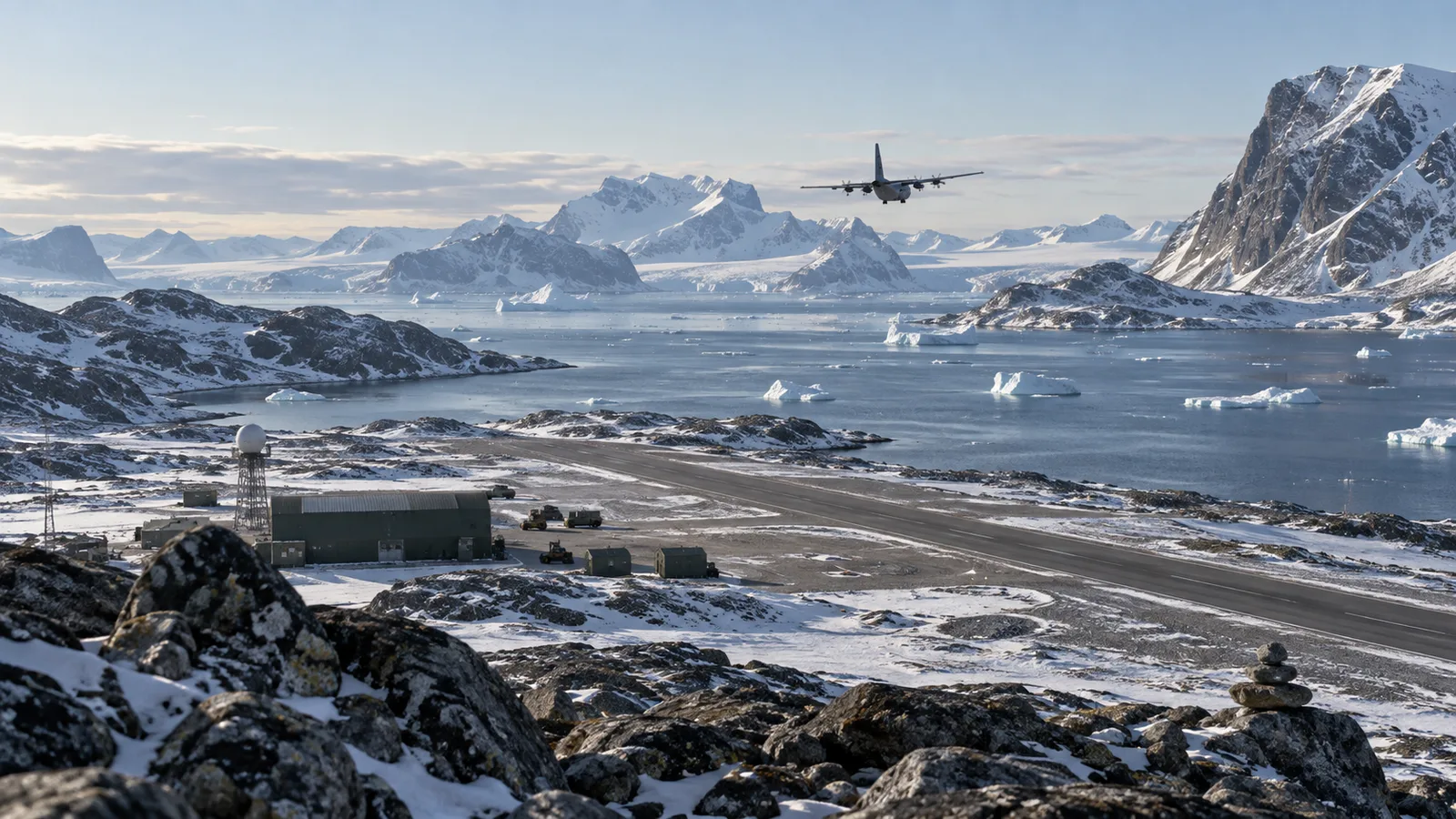
The US is not starting from scratch in Greenland. A 1951 defence agreement already allows them a military presence and the operation of facilities. Today, Pituffik Space Base is central for missile warning, space surveillance and the monitoring of northern flight routes. Earlier American sites were reduced or abandoned after the Cold War.
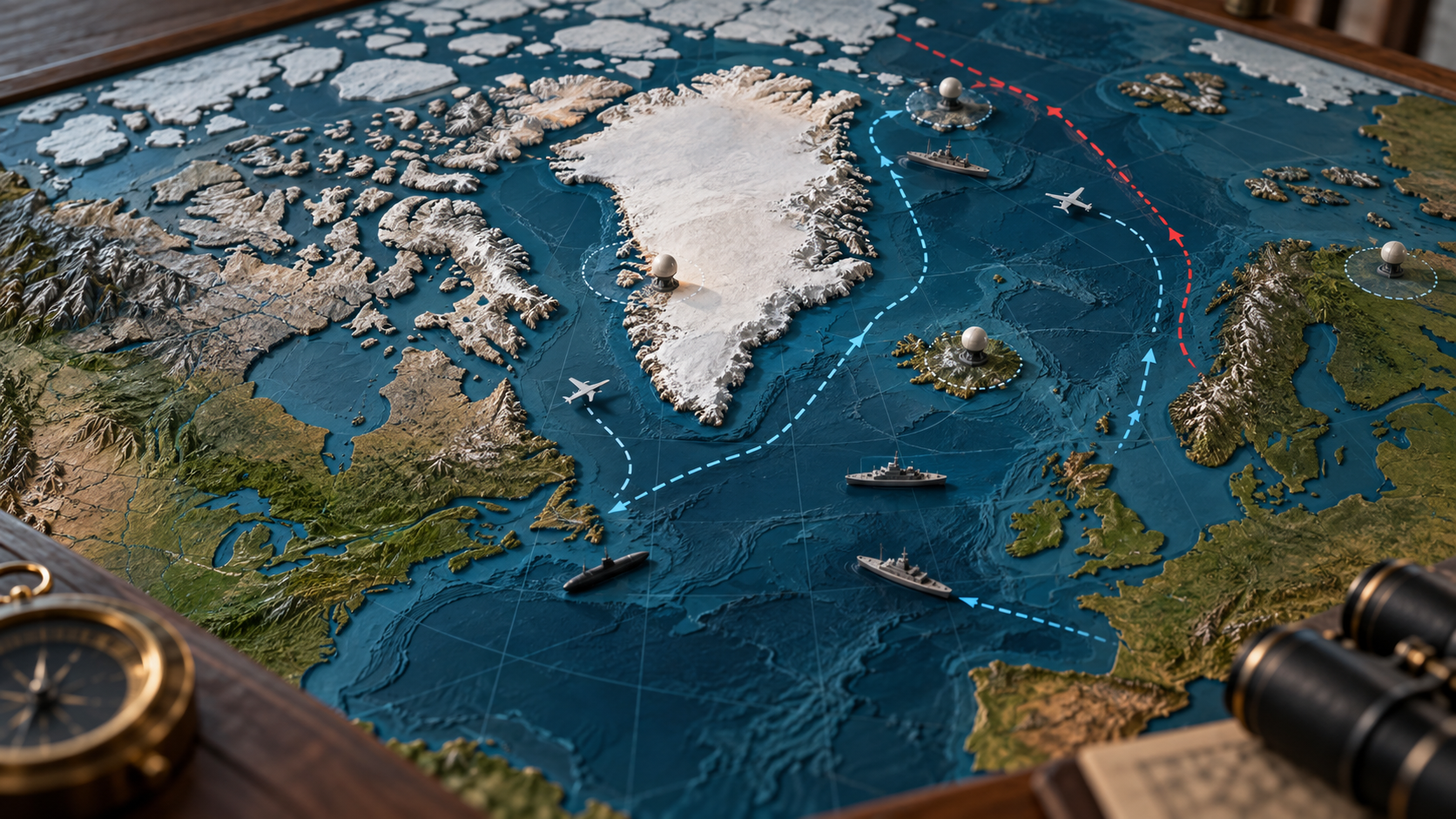
The new treaty could simplify or specify questions of stationing, construction and investment. Its strategic background is clear: melting ice is making the Arctic more accessible, Russia has strong military capabilities there, and Western governments are watching Chinese interest in raw materials and infrastructure. But this does not mean that Denmark or Greenland had previously allowed an adversary's base. Trump's account addresses a risk that has so far been largely hypothetical.
A diplomatic way out after a dangerous escalation
In early 2026, several European heads of government had declared that only Denmark and Greenland should decide on the island. Trump's repeated refusal to rule out force strained NATO, because one alliance partner was threatening another with territorial seizure. A treaty that serves American security interests while confirming the borders offers both sides a way out.
For Greenland, participation remains decisive. The island governs itself in many areas; foreign and defence policy lie with the Kingdom but must be negotiated jointly where Greenlandic interests are concerned. A security agreement can therefore only be politically sustainable if Nuuk does not merely get informed but co-decides. The Danish government explicitly names Greenland as a party to the expected agreement.
What matters for Europe and Switzerland
For Europe, the deal is a relief, but no reason for complacency. It shows how military pressure and sharpened rhetoric can shape negotiations even among allies. At the same time, NATO is likely to have to finance more surveillance, ports, airfields and communications in the high north.
Switzerland is not a member of the alliance, but as an Arctic observer state and an export-oriented economy it has an interest in stable rules in the North Atlantic. New infrastructure can affect research and shipping; strategic competition can at the same time tighten investment screening and sanctions risks. The published treaty text will be decisive. Only it will show whether an annexation threat has become a durable security order – or merely a provisional ceasefire in a political dispute.
Sources
- Danish State Ministry: Expected agreement on security in the Arctic and the North Atlantic
- Danish State Ministry: Joint statement on Greenland of 6 January 2026
- Associated Press: More US presence, Greenland remains with Denmark
- CNN: Trump's account of the security agreement
- Greenland Self-Government Act, English version