Hot Summer: Farmers Face Winter Crisis
Drought Endangers Feed Supplies and Livestock
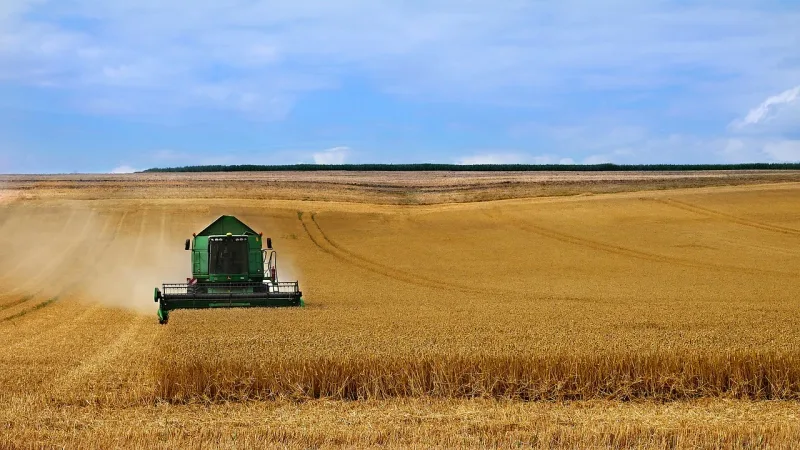
The hot summer of 2026 has severely affected Swiss agriculture. Soils are parched, and harvests are poor in some regions. Many farms are still operating. However, the real crisis could emerge in winter if feed supplies prove insufficient. Farmers are calling for support.
Feed Shortages Loom
Grass has withered on many meadows. The second and third cuttings were almost non-existent. Corn also suffers from the drought. The consequence: less hay, less silage, and less grain corn. Winter feed supplies are scarce. Livestock farmers must now consider how to sustain their animals through the cold season. Farms relying on their own fodder production are more affected than those able to purchase feed. However, feed prices are also rising.
Many farmers describe the situation as precarious, as reserves are diminishing due to poor harvests.
What Farmers Are Doing Now
Many farmers irrigate their fields where possible. But water is becoming scarce. Some are opting for new crops or reducing their livestock numbers. Others are already purchasing feed to prepare for winter. The Swiss Farmers' Association recommends precisely calculating feed rations. The use of ecological compensation areas as emergency pastures is also being discussed. The Federal Council has classified the agricultural situation as exceptional – measures are still limited.
Additionally, many farms are considering selling or slaughtering their animals earlier. This would increase supply in the coming months, while also securing farmers' income. The additional costs for supplementary feed are significant. The Federal government has already announced it will examine aid for affected farms. Specific figures are not yet available. (Figures to be verified)
Winter Becomes a Test
The consequences of the drought will become apparent in winter. If supplies only last for a few months, animals must be slaughtered earlier. This would increase supply and depress prices. Simultaneously, costs for supplementary feed rise. Many farms face financial pressure. They demand compensatory payments from the federal government. Milk production is also at risk. Without sufficient feed, milk yields decrease. Switzerland's food security could be affected.
The situation is assessed as serious but not hopeless; rapid assistance is emphasized as necessary.
Farmers hope for rain in the coming weeks. However, forecasts are uncertain. A precise assessment of the damages will only be possible in autumn. It also remains unclear whether the federal government will provide additional funds. Agriculture faces a tough winter – and politics must react.
Further information on the effects of the drought can be found in our Switzerland section and on the Economy. Our agricultural reporting is also continuously updated.