Italy's truck protests: roads reopen, supply problems remain
Protests against high diesel prices are concentrated in the south. After new state aid, blockades are being cleared – for travel and deliveries, the individual route section now matters.
The truck protests against high fuel prices in Italy enter a new phase on 23 October 2026. While supply problems continue to be reported from the south, individual blockades are dissolving. In Naples, the protest post in front of fuel depots in the east of the city was cleared. According to the regional RAI broadcaster, police vehicles had been escorting tankers since early morning so that petrol and diesel could reach filling stations again.
This neither ends the entire mobilisation nor normalises goods traffic everywhere. For Swiss travellers and companies, precisely this distinction is decisive: a reopened access road does not yet say whether a filling station has already been supplied or whether an expected consignment can be collected on time.
The focal points lie far south of the Alps
The disruptions documented by the Italian Automobile Club ACI mainly affect Apulia, Calabria and Basilicata. Among those named are the A14 near Poggio Imperiale and Cerignola, the A16 near Candela and the A2 near Sant’Onofrio and Falerna. There are also protest posts on state roads and logistics hubs. In some places lorries stood at the edge of the carriageway; elsewhere access roads were temporarily blocked.
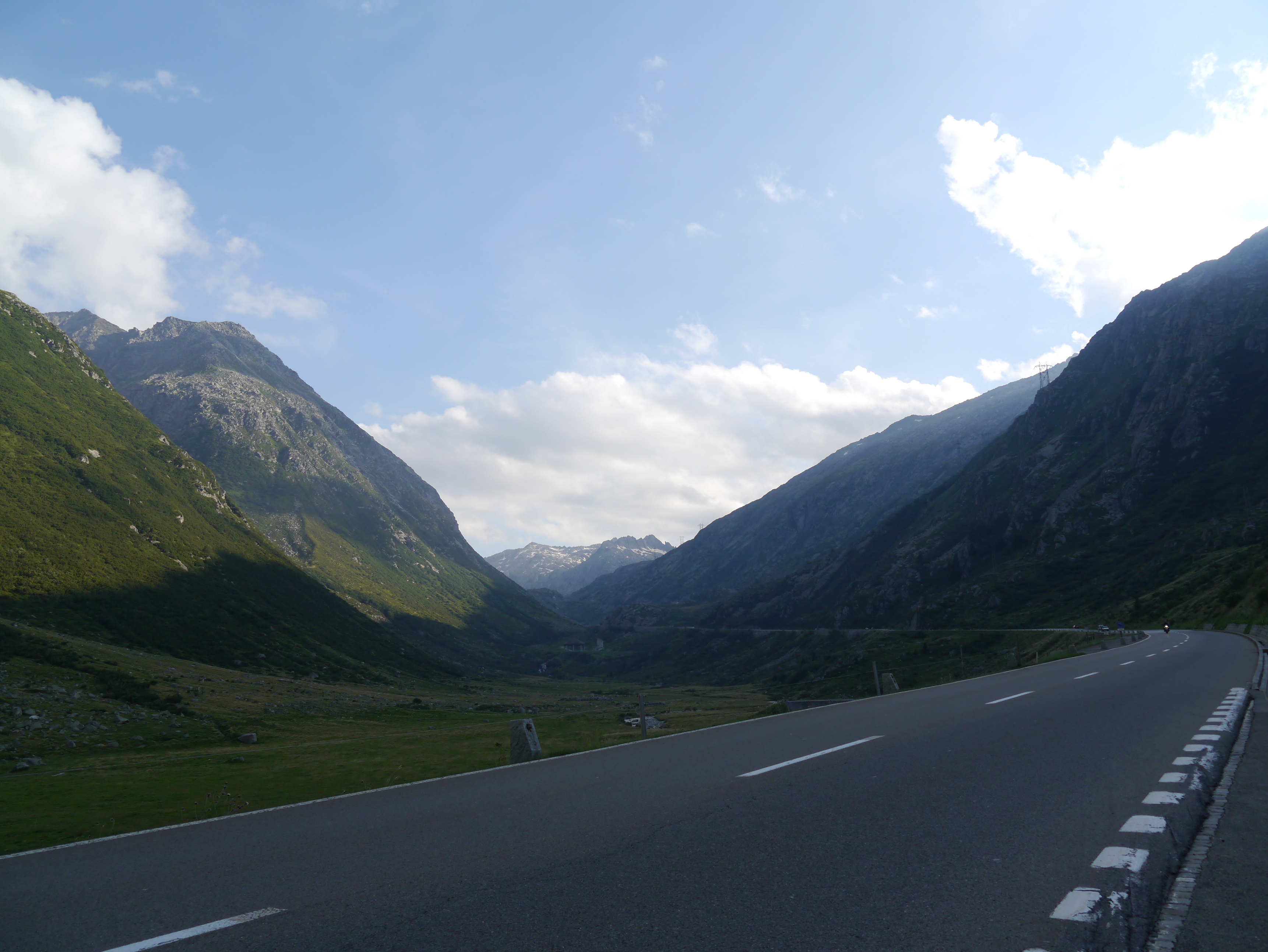
This overview describes the course of the protests, not a continuously valid list of closures. ACI itself points out that a previously reported protest post does not mean the road is still closed. Nor can any protest-related closure of the Gotthard or other Swiss Alpine crossings be derived from the checked reports on southern Italy. A clear Alpine passage and clear access to the Italian recipient are two different preconditions.
Rome helps with diesel and liquidity
The Italian Council of Ministers approved additional support on 22 October. The Ministry of Transport names 45.2 million euros for tax credits on diesel purchases from March to August 2026. A further 60 million concerns expenditure from 1 September to 5 October. Together that is 105.2 million euros in additional funds; amounts already provided earlier must be distinguished from this.
In addition, certain lease instalments due between November 2026 and March 2027 for vehicles are to be able to be suspended until 31 March 2027. The government is focusing particularly on small transport companies whose financing is being made more difficult by rising operating costs. However, a tax credit is neither a general lower filling-station price nor proof that all companies have already received money.

For Swiss supply chains, the final access route also counts
The importance of the link is considerable: according to the Federal Office of Transport, around 960,000 lorries crossed the Swiss Alps in 2025. The rail share of transalpine freight transport was 68.6 percent. However, these annual figures measure neither the consignments currently blocked nor damage caused in Switzerland by the protests. No corresponding robust overall estimate is available in the checked sources.
For a Swiss client, the concrete supply chain is therefore more informative than a blanket warning about Italy. Separate enquiries to the carrier and the supplier make sense: Are the goods ready for collection? Is the depot reachable? Can the recipient unload? How much time buffer is there for perishable goods? Switching to another Alpine route would not remove a blocked access road to the same southern depot.
Companies should likewise document the cause and consequence of a delay. The date of a protest call does not yet prove that one's own consignment was blocked at that moment. Conversely, a delivery can also arrive late after the clearing because goods and vehicles have previously backed up. Anyone arranging a new delivery date therefore needs confirmation for that specific journey. For holidaymakers, advance information from the accommodation or car-rental provider about local supply is more useful than assuming that all filling stations in a region have the same difficulties.
Traffic reports instead of fixed end dates
Anyone driving to Italy themselves should check the reports of the responsible road operator before departure and during a safe stop. Autostrade per l’Italia publishes current traffic information and planned closures. For the Anas network, the operator refers to its VAI service. For every report, direction of travel, junction, time and cause count; roadworks or accidents are not the same as protests.
A nationwide reliable end date for the actions does not emerge from the checked sources. The new aid and the clearings are a development, not a guarantee of trouble-free travel. For Switzerland, the practical consequence is: do not avoid the whole of Italy prematurely, but do not mistake an open road for a functioning supply system either.
Sources
- Italian Ministry of Transport: additional aid of 22 October
- Federal Office of Transport: transalpine freight transport 2025
- Autostrade per l’Italia: current traffic reports
- Anas: information on the VAI traffic query
- ACI / L’Automobile: affected roads and temporal limits of the overview
- RAI Campania: resumption of fuel deliveries in Naples, 23 October
- SRF: truck blockades in southern Italy
- Lead image: Saggittarius A / Wikimedia Commons
- Article image: Parfield / Wikimedia Commons
- Image licence: Creative Commons BY-SA 4.0