London's ULEZ Shows Impact – Other Cities Hesitate
Successful Model Faces Political Opposition
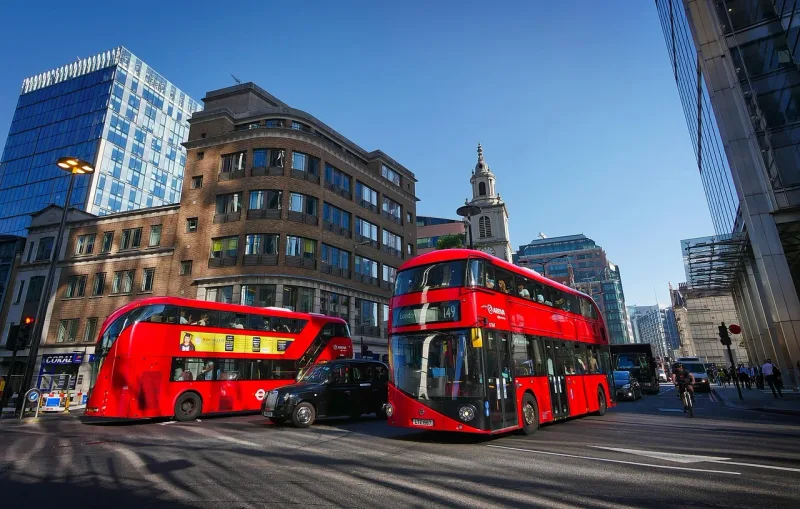
London has achieved measurable success with its Low Emission Zone. Air quality in the British capital has significantly improved since the zone's introduction. Studies show a reduction in nitrogen dioxide concentration by up to 20 percent in affected areas. Nevertheless, cities worldwide hesitate to follow London's example.
Political Opposition Slows Climate Protection
The reasons for this hesitation are complex. Political opposition ranks highest. Driving bans and fees for older vehicles face massive criticism from motorists and businesses. In London itself, these measures led to strong protests. Mayors must balance climate protection with voter satisfaction.
Economic concerns amplify the skepticism. Small businesses fear higher costs due to vehicle replacement or access fees. The hospitality and retail sectors cite revenue losses. Critics warn of social injustice, as low-income households can hardly afford new vehicles.
Swiss Cities Prioritize Different Measures
Swiss cities have so far pursued a different approach. Zurich, Basel, and Bern focus on expanding public transport and incentives for electromobility. Strict driving bans, as seen in London, are not planned. While air quality in Swiss cities is below European limits, it occasionally exceeds WHO recommendations.
The Federal Office for the Environment BAFU refers to the Air Pollution Control Ordinance. This mandates measures when limit values are exceeded. Cantons can impose local traffic restrictions. This option is rarely used. Zurich has discussed a city toll for years but has made no progress.
Implementation Requires Political Courage
The London experience shows: Environmental zones work when consistently implemented. The Ultra Low Emission Zone ULEZ now covers almost the entire city area. Vehicles that do not meet emission standards pay a daily fee of approximately 14 Swiss francs. The revenues support the expansion of public transport.
Experts demand more courage from politicians. Effective climate protection requires unpopular decisions. The transport sector contributes significantly to air pollution. Without drastic measures, climate goals remain unattainable. Individual European cities like Stockholm and Milan have already introduced environmental zones and show positive effects.
The question remains: When will more cities follow London's example? Scientific evidence for effectiveness exists. Political will and societal consensus are still lacking in many places. The balancing act between climate protection and individual mobility remains a central challenge for urban policy.