Offline Club: Two Hours Without a Smartphone as Social Experiment
Digital Detox in the Club – How Swiss People React to Smartphone Abstinence

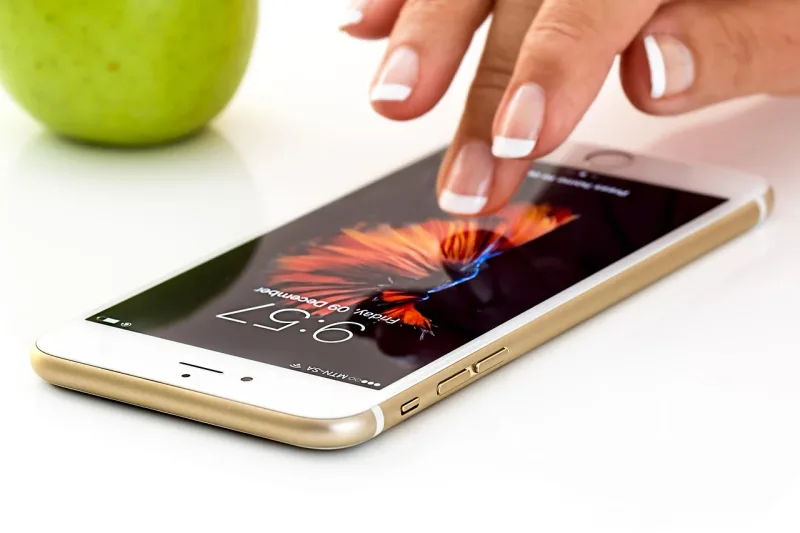
Upon entering the room, smartphones are placed in a locked box. They remain there for two hours. What sounds unimaginable for many becomes reality in the "Offline Club." The concept: voluntary renunciation of digital distraction and direct human encounters instead of screen contact.
First Minutes Without a Phone Are the Hardest
The first minutes without a smartphone are the most difficult for participants. The hand automatically reaches for the pocket; eyes search for the familiar display. "I initially felt naked and vulnerable," a visitor from Zurich describes her experience. Constant availability is missed; the urge to check for messages persists.
After about 20 minutes, a change occurs. Conversations become more intense; attention focuses entirely on the other person. Without the option to check a phone, a different communication rhythm emerges. Breaks are no longer filled with scrolling but with eye contact and genuine exchange.
Digital Detox as a Growing Trend
The concept of the "Offline Club" aligns with the growing interest in conscious digital deceleration. More and more people in Switzerland are deliberately seeking distance from permanent digital availability. It is increasingly recognized that intensive smartphone use – often several hours daily according to various studies and estimates – can have negative consequences for concentration, sleep, and social relationships.
Constant availability is often cited in the digital health debate as a factor contributing to chronic stress. Initiatives like the "Offline Club" offer a structured framework to break this habit. Participants report improved concentration and a feeling of recovery after the digital break.
Challenges for Work-Life Balance
The biggest hurdle for many is the fear of missing out. Professional messages might arrive; private contacts might get in touch. This permanent state of alert is part of daily life for many. However, the conscious abstinence in the "Offline Club" shows: The world continues, even without an immediate response.
After two hours, smartphones are returned. Most participants hesitate briefly before turning on their devices. "I expected 20 messages. There were three," says a visitor from Basel. The realization: Perceived urgency rarely matches reality.
The experiment raises questions about the digital future. Can such conscious breaks help develop a healthier relationship with technology? Experts see this as a potential way to restore the balance between digital connectivity and analogue life. The "Offline Club" remains a niche offering for now, but interest is steadily growing.