Overlooked memory card flips lead in Georgia election
Gerald Greene leads after late-counted votes. The election office is investigating the error; the numbers have not yet been finally certified.
An overlooked memory card has flipped the provisional lead in a Georgia state legislative race. Republican Gerald Greene now leads Democrat Harry James in District 154. Georgia's chief election official Brad Raffensperger has opened an investigation. His office announced the error on Friday, 6 November 2026.
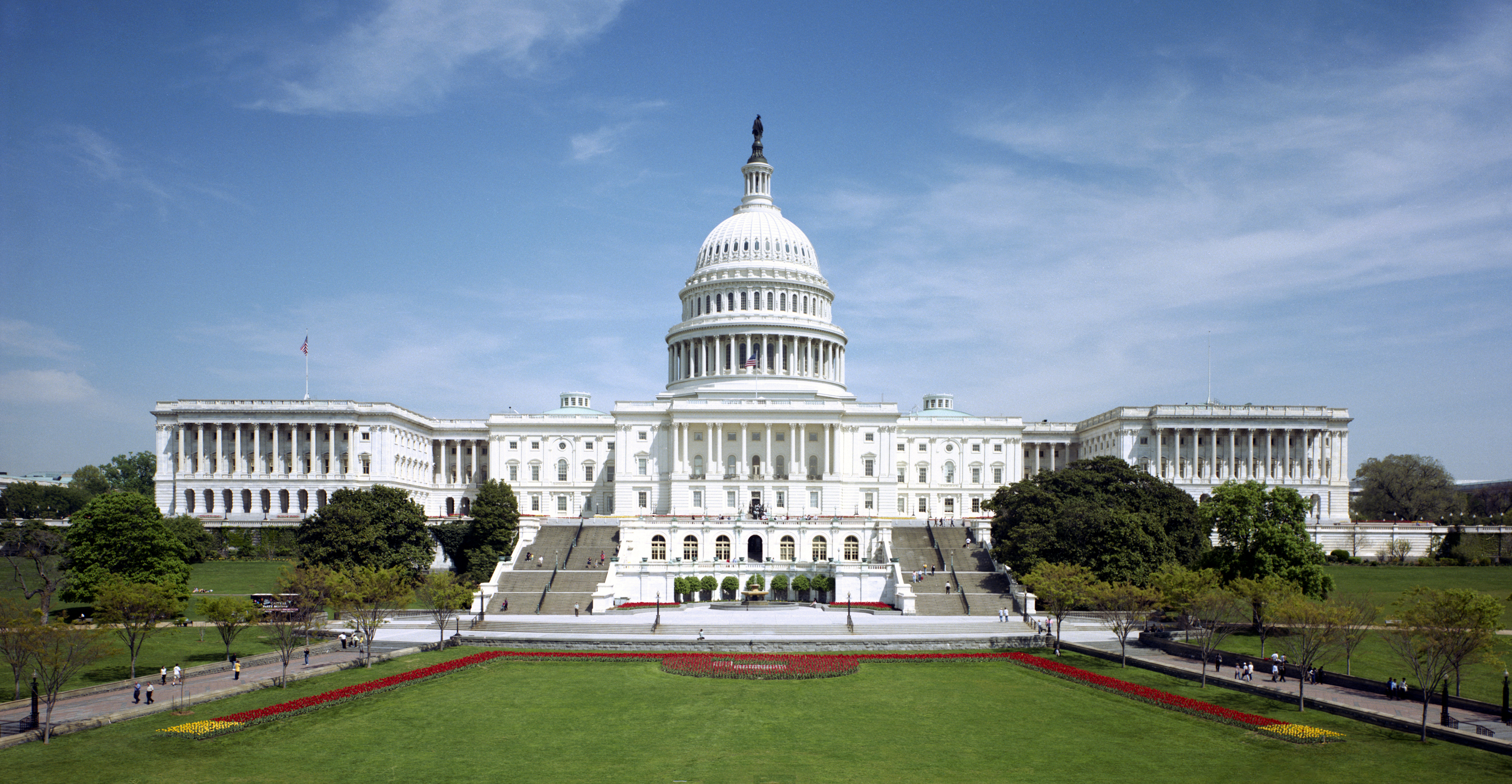
The seat at stake is in the state House of Representatives, not in the US Congress in Washington. The distinction matters politically: after the midterms, Georgia is heading for an extremely narrow Democratic majority in the lower chamber. The outcome of this single race changes the room for manoeuvre of that majority, but does not remove it on the figures reported so far.
The check found a gap of around 388 voters
During the post-election review, Raffensperger's office noticed that in Seminole County roughly 388 more people were registered as checked in at polling places than ballots were reported as cast. The local election authority then established that the results on one memory card had not been transferred into its tallying system.
After the addition, Greene led by 262 votes, according to the statement. Previously he had trailed by fewer than 100 votes. The figure 388 refers to the discrepancy noticed between registered participation and reported ballots. It is not a statement about how many additional votes an individual candidate received.
The authority is examining why the card was overlooked, whether the prescribed procedures were followed and which corrections are needed. Its statement names neither a cause nor deliberate manipulation. Raffensperger called the error unacceptable.
A seat becomes more valuable for the Democrats
The Atlanta Journal-Constitution puts Greene's original deficit to James at 58 votes. If the new lead holds, the Democrats would reach 92 of 180 seats, according to the report. A majority requires 91. That would leave little buffer if members are absent or deviate from the party line in a vote.
One more race is undecided: Republican Mike Cheokas must face Democrat Ethan Wolfe in a runoff on 1 December. The newspaper reports that Cheokas received the most votes but missed the required majority. That seat too can still shift the balance of power.
Greene has sat in the legislature for decades. He was first elected as a Democrat in 1982 and switched to the Republicans after the 2010 election. The late tally could now preserve his seat. A finally certified re-election cannot yet be derived from it.

Election night and the official final result diverge
A lead shifting after election day is not the same as the annulment of a legally binding result. The US Election Assistance Commission points out that figures from election night are preliminary. Only the responsible election authorities confirm the official result.
Before that, the election data are consolidated and reconciled in what is known as the canvass. This covers postal, early and election-day votes, among others. The reconciliation is meant to ensure that every valid vote is contained in the final result. It was precisely such a counter-check that made the missing transfer visible in Seminole County. It explains the find, but does not excuse the original error.
Running publications are snapshots too. The news service Capitol Beat recorded 10,193 votes for Greene and 9,932 for James in the state results portal on Friday evening, a gap of 261 votes. That differs by one vote from the authority's statement. Both figures concern a status that has not yet been conclusively confirmed.
The paper ballots remain decisive for checks
Georgia's election rules require a statewide risk-limiting audit after general elections in even-numbered years. The Secretary of State determines which race is audited. This provision does not mean that the affected district has already been fully recounted.
The rules require publicly accessible audits and documented retention of the ballots. For electronically marked ballots, the auditors rely on the printed text. That provides a basis for checking alongside the transferred result data. First, however, the local election authorities must certify their results: Raffensperger's statement names Monday, 9 November, as the deadline.
Sources
- Georgia Secretary of State: investigation in Seminole County, 6 November 2026
- Georgia State Election Board: rules on counting and audits
- US Election Assistance Commission: canvassing and certification of results
- Atlanta Journal-Constitution: memory card and legislative majority
- Capitol Beat: preliminary figures in District 154
- Cover image: Antony-22 / Wikimedia Commons
- Illustrative image: Dark Mistress / Wikimedia Commons
- Image licence CC BY-SA 4.0