Postpartum Depression: One in Six Mothers Affected
New Federal Data Reveals Need for Action
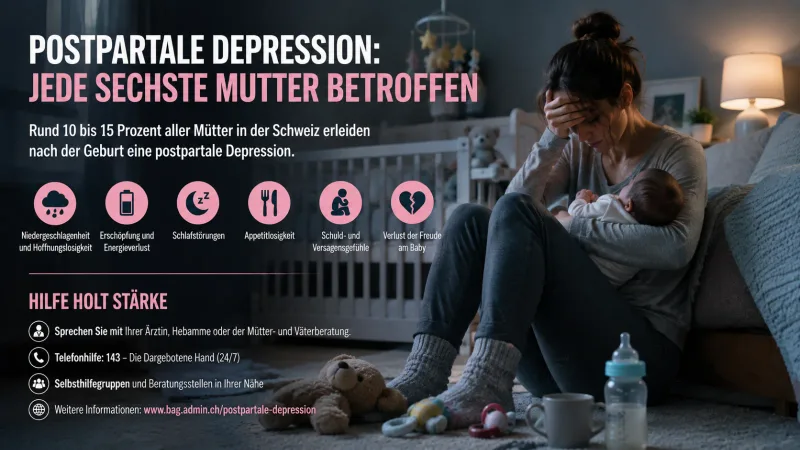
Childbirth is often seen as a blessing. However, around 10 to 15 percent of mothers in Switzerland experience postpartum depression afterward. This prevalence is cited by the Swiss Federal Office of Public Health (BAG). New figures released by the BAG in November 2023 confirm this. The BAG points out that postpartum depression is among the most common psychological complications after birth.
The condition affects mothers of all age groups. Typical symptoms include persistent sadness, exhaustion, sleep disturbances, loss of appetite, and a lack of joy in the newborn. Feelings of guilt and failure often accompany these symptoms. Unlike the so-called baby blues, which many mothers experience in the first few days, depression is characterized by symptoms lasting longer than two weeks and not resolving on their own.
The Dangers of Untreated Depression
If untreated, the illness can last for months and impair the mother-child relationship. Professional organizations like "Postpartum Depression Switzerland" indicate that children of affected mothers may have a higher risk of emotional and behavioral problems, as well as developmental delays. How parental mental illness affects child development is therefore an increasingly important research field. Partnerships also suffer, and many women withdraw socially. In severe cases, self-harm or even loss of life are risks.
Nevertheless, the illness often remains invisible. Many mothers feel ashamed to talk about their despair. The Swiss Midwives Association therefore demands that psychological well-being after birth be systematically recorded – not just briefly during the postpartum period, but also in the following months. A nationwide standardized procedure is currently lacking.
Care Provision: Significant Cantonal Differences
Switzerland has a federal system in this area. While cities like Zurich, Bern, or Lausanne offer specialized mother-and-child consultations, such services are scarce in rural areas. Health insurance covers up to ten midwife visits in the first 56 days after birth without a doctor's prescription. However, depression often does not manifest during this precise period. An extension of care is strictly reviewed. Waiting times for therapy slots vary significantly by region.
The Federal Council has announced improvements within the framework of the "Mental Health Switzerland" strategy. Planned measures include standardized screening tools, training for professionals, and better funding for therapy services. Until these plans are implemented in the cantons, care provision remains fragmented.
Support Services for Affected Individuals
Initial points of contact include family doctors, gynecologists, or mother and father counseling services. Psychiatric outpatient clinics and day hospitals also offer acute help. Recognized self-help organizations maintain groups for affected mothers in many cantons. An overview of counseling and treatment options for psychological problems after birth is available from the BAG. Relatives should take warning signs like persistent hopelessness or withdrawal seriously and gently initiate a conversation.
The new data could increase pressure on policymakers. It will be crucial that services remain easily accessible and affordable – and that no mother is left alone with her illness. Early intervention prevents suffering for years.