Ukraine Diplomacy: Switzerland Can Host, Not Force a Breakthrough
Washington again seeks direct talks between Moscow and Kyiv. A diplomatic window opens for Switzerland, but its role is narrower than calls for mediation suggest.
After months of stalled diplomacy, the US is again exploring direct talks between Russia and Ukraine. Envoys Steve Witkoff and Jared Kushner first met Vladimir Putin in Moscow, then Volodymyr Zelenskyy in Kyiv. Both sides report movement, but neither a date nor a reliable negotiation format is agreed.
This also brings Switzerland back into focus. Geneva hosted trilateral talks between the US, Ukraine, and Russia in February. The Federal Council continues to offer Switzerland as a platform. However, a new independent Swiss peace plan is not publicly documented. The realistic question therefore is: Where can Switzerland be useful if Washington, Moscow, and Kyiv actually return to the table?
Geneva Creates Access, Not Agreement
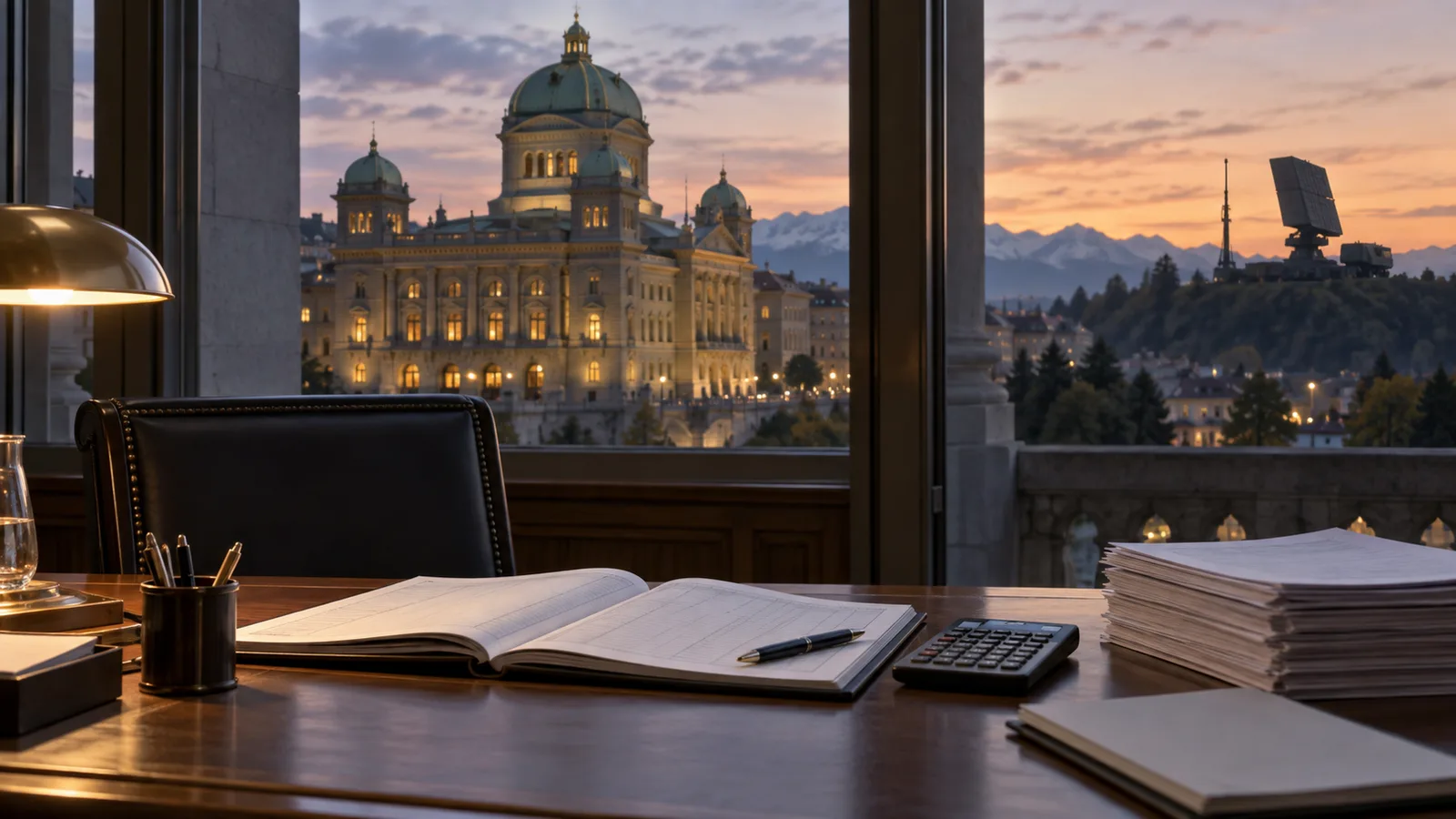
Switzerland's strength lies first in the craft of diplomacy: secure travel, confidentiality, protocol, and an environment where delegations can work for days. This is more than just a backdrop. Especially when contacts are politically risky, a reliable host can lower the barrier to a meeting.
But a location does not replace a common basis for negotiation. The February talks ended without a breakthrough. Even after the recent US visits, central questions remain unresolved: territorial control, security guarantees, sanctions, and the sequence of possible steps. Those who already infer a peace process from new contacts confuse exploration with negotiation.
The OSCE Chairmanship Is Switzerland's More Important Lever
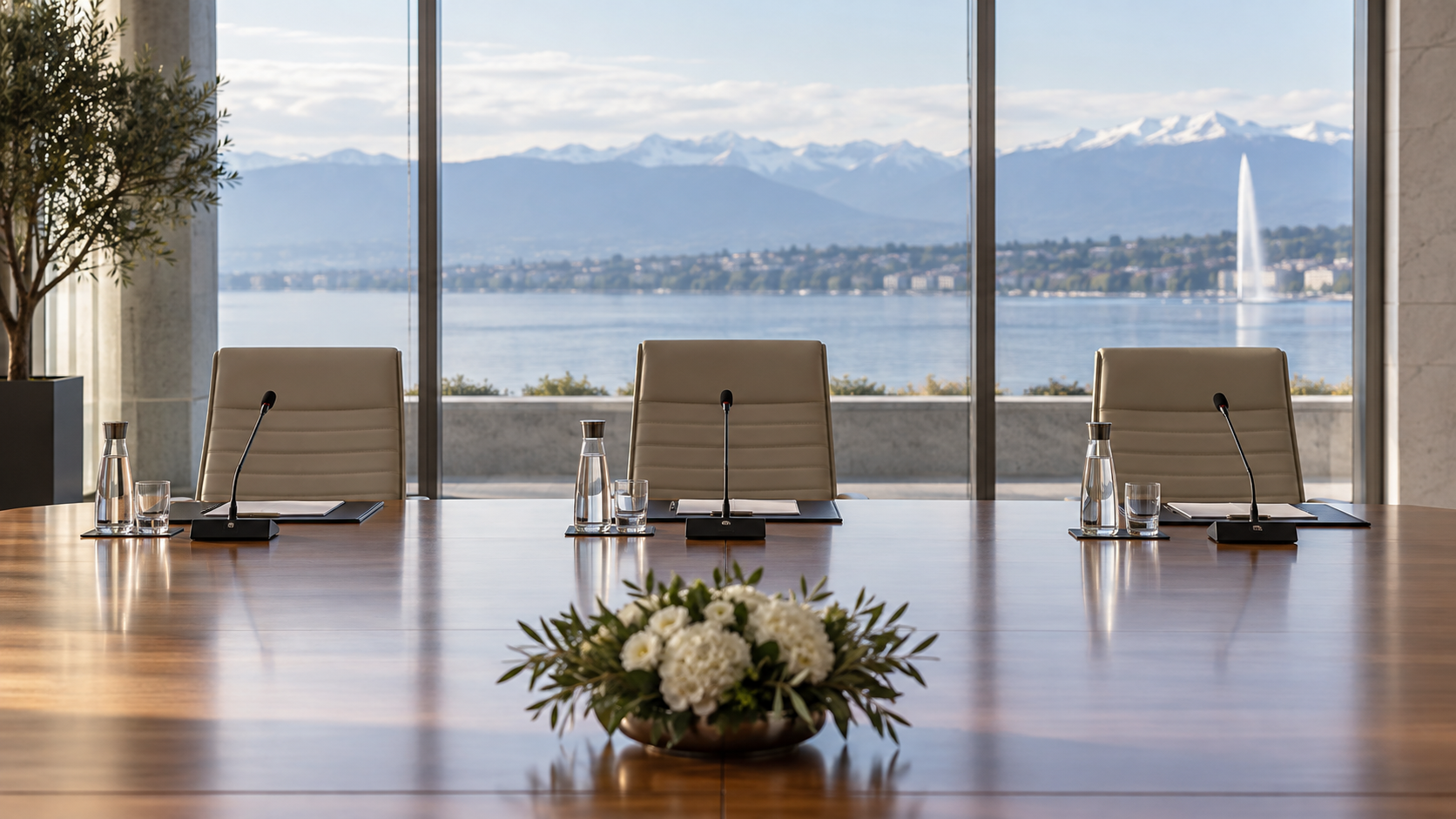
In 2026, Switzerland presides over the Organization for Security and Co-operation in Europe. Foreign Minister Ignazio Cassis traveled to Kyiv and Moscow in February, offering concrete tools: ceasefire monitoring, election support, and an institutionalized security dialogue. The OSCE comprises 57 participating states, including Russia, Ukraine, the US, and all EU states.
These instruments only become crucial once a political agreement exists, at least in outline. A ceasefire requires maps, reporting channels, observers, access, and rules for violations. The OSCE has experience precisely in these areas. As chair, Switzerland could help translate a political commitment into verifiable practice. However, it cannot force consensus; OSCE decisions generally require the consent of all participating states.
Furthermore, there is an advantage that can hardly be measured in a press release: Switzerland maintains communication channels with both sides and can bring together technical experts, international organizations, and delegations in Geneva. However, this access is only as valuable as the trust of those involved. If the host is perceived as a political actor, its room for maneuver shrinks. Bern must therefore distinguish between a clear stance on international law and a largely objective hosting role.
Neutrality Does Not Mean Legal Arbitrariness
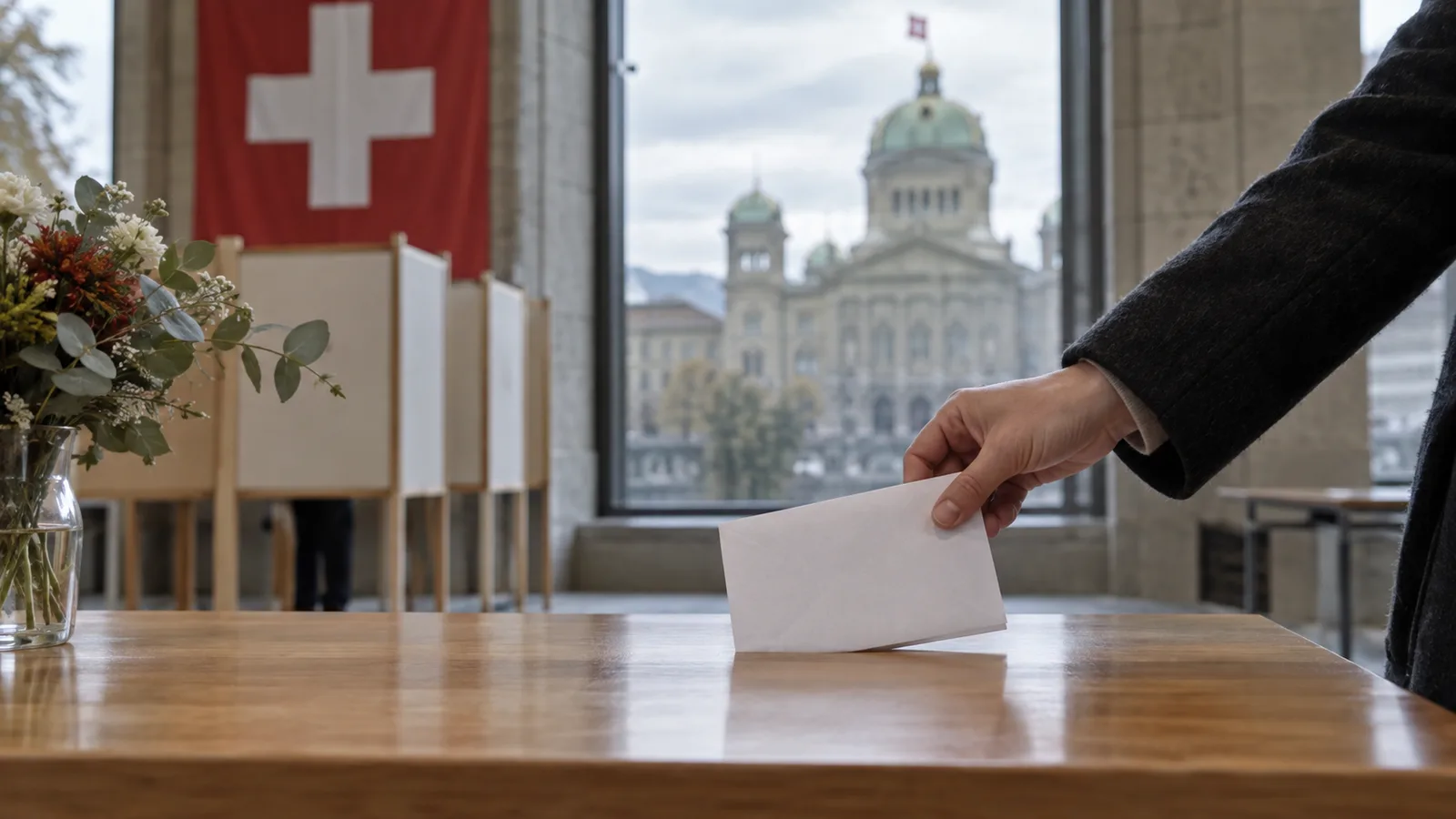
Switzerland's position is also more complex than the image of a neutral host. Bern adopted the EU sanctions against Russia. This sanctions policy is domestically controversial in the neutrality initiative, which will be voted on September 27. Russia has repeatedly not described Switzerland as neutral for this reason.
Another obstacle arises for a high-level meeting: an arrest warrant from the International Criminal Court exists against Putin. As a signatory to the Rome Statute, Switzerland would generally have to comply with an enforcement request. Experts see little room for safe passage. Talks at the delegation or ministerial level are not excluded; however, a presidential summit in Geneva would be significantly more difficult legally and politically.
Swiss mediation would also only be useful by invitation. Mediation requires both parties to the conflict to accept the mediator and at least be willing to discuss the objective of the process. As long as the conditions for direct contacts are already disputed, Bern can make offers but should not claim a leadership role that the parties have not assigned to it.
What Switzerland Can Sensibly Do Now
Bern can prepare three things without overstating its role. First, it should keep Geneva open for a viable format. Second, the OSCE chairmanship can develop technical options for monitoring and conflict prevention before they are suddenly needed. Third, Switzerland must transparently communicate its legal limitations, rather than raising expectations for a summit it might not be able to host.
Switzerland's contribution thus does not begin with a grand peace formula. It begins where diplomacy often fails: with trust in procedures, verifiable rules, and a place where communication channels remain open. This is less spectacular than the role of a mediator – and potentially more valuable in the event of a real negotiation window.