UN General Assembly: Trump threatens Iran as Qatar, Türkiye push Gaza
On the same UN stage, two priorities collide: Washington increases pressure on Tehran, while Doha and Ankara demand consequences for Israel.
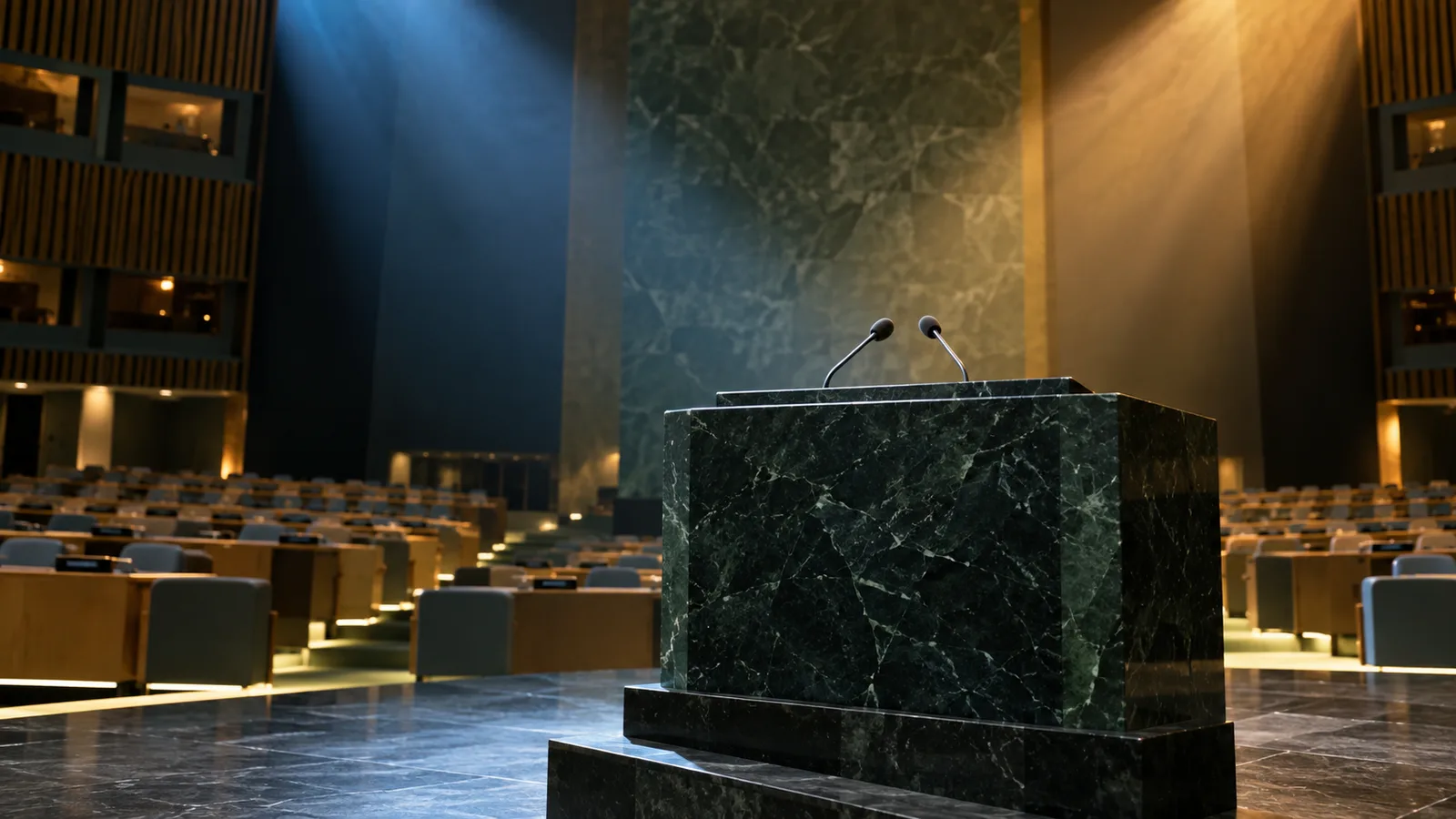
The stage was the same, the diagnosis of the crisis fundamentally different. At the opening of the general debate of the UN General Assembly in New York, US President Donald Trump put the conflict with Iran at the centre. Qatar's Emir Tamim bin Hamad Al Thani and Turkish President Recep Tayyip Erdoğan, by contrast, turned their attention to Gaza, Israel and the credibility of the United Nations.
The speeches reveal more than diplomatic disagreement. Washington combines military pressure with an offer of talks to Tehran. Doha and Ankara demand that the existing ceasefire in Gaza be fully implemented and that Israel be held to account internationally for it. On Tuesday, no common regional roadmap was initially discernible.
Trump sharpens the tone – and reports talks at the same time
Before the General Assembly, Trump defended the war against Iran and called on Tehran to fully reopen the Strait of Hormuz and return to the negotiating table. According to reports by Associated Press and Al Jazeera, he publicly presented Iran's leadership with the alternative of concluding an agreement or facing further destruction. A large part of the Iranian delegation left the hall during his speech.
The martial rhetoric, however, was only one side of the American message. Later, according to Al Jazeera, Trump said representatives of both states had met for around three hours. Independent confirmation and concrete results were initially unavailable. This very contrast is decisive: the speech raised the price of failure, while the talks behind the scenes were meant to keep an exit open.
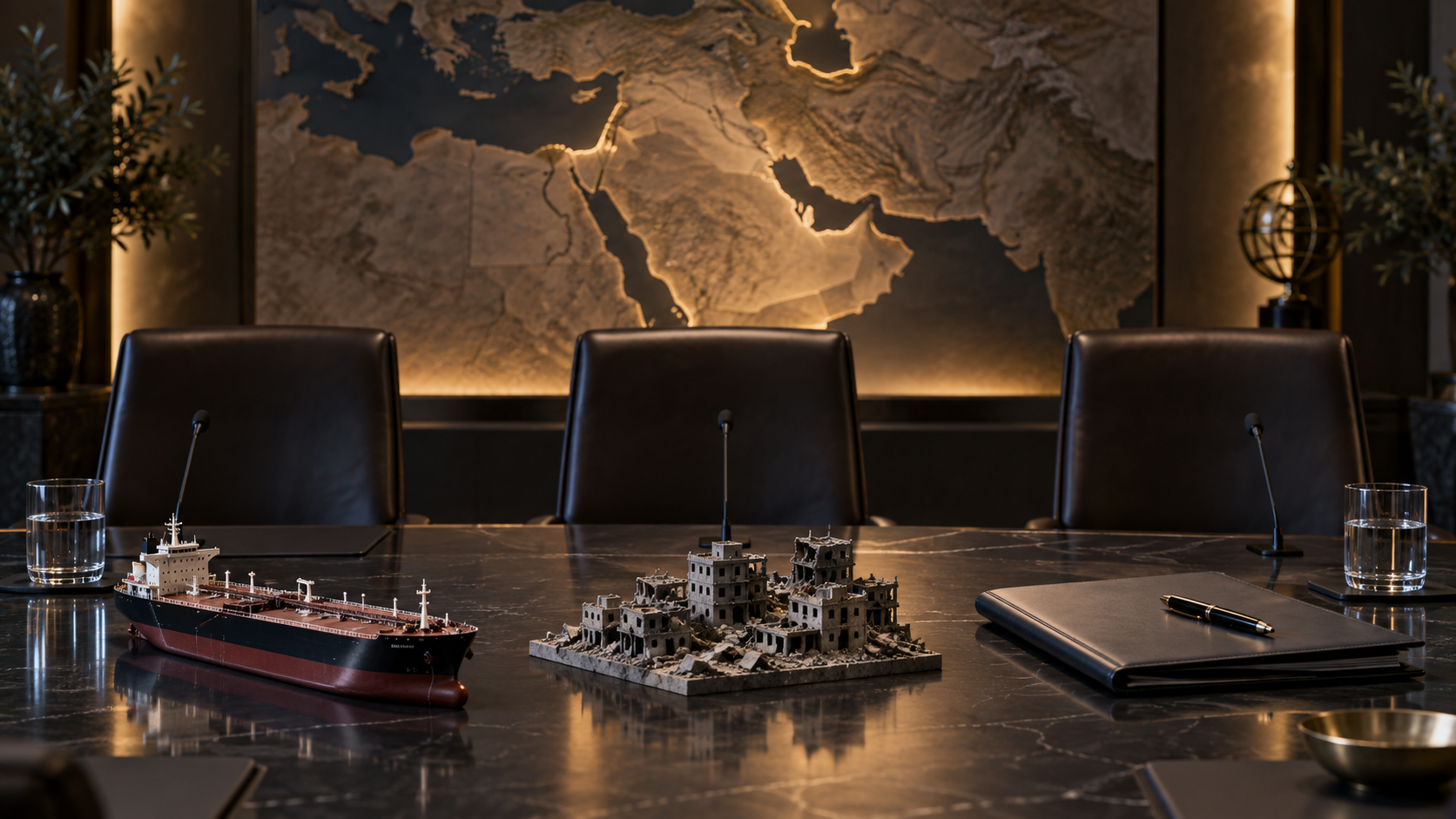
For the region, the Strait of Hormuz remains a neuralgic point. A significant share of the world's traded crude oil passes through it. Even the expectation of longer disruptions can move freight rates, insurance premiums and energy prices. Trump's statement therefore does not yet amount to a de-escalation; that would require verifiable steps on shipping and a robust negotiating framework.
Qatar demands guarantees for the Gaza ceasefire
Qatar's Emir set a different focus. Sheikh Tamim said his country would continue working to consolidate the ceasefire in Gaza and achieve a lasting peace. Israel must fully meet its obligations: end military operations, withdraw, lift the blockade and allow humanitarian aid without conditions. The international community should monitor implementation and apply pressure.
In this, Qatar speaks both as a political actor and as a mediator. In recent years, Doha has repeatedly been involved in indirect contacts between Israel, Hamas and the United States. This role gives the emirate access to the parties, but it also makes it vulnerable: any violation of an agreement can be read as evidence that mediation without effective guarantees is not enough.
Erdoğan attacks Israel and the UN
Erdoğan chose the harshest language. He accused the Israeli government of "genocidal" conduct and described Gaza as a symbol of the failure of the international order. At the same time, he criticised the structure of the UN and demanded a reform of the Security Council and an end to the veto privilege of the five permanent members.
The genocide accusation is a political and legal charge, not a conclusively established fact. Israel rejects it and states that it is waging a defensive war against Hamas and striving to limit civilian damage. South Africa's case against Israel before the International Court of Justice is still pending. The opposing positions must therefore be clearly separated.
Erdoğan's speech ties into a broader criticism: states such as Türkiye and Qatar see the handling of Gaza as a test of whether international rules are applied evenly. The United States, in turn, treats Iran, Israel's security and freedom of navigation as a connected strategic question. Both views touch the same region, but they set different causes and priorities.
A general debate does not replace negotiations
The 81st general debate is held under the UN motto of restoring trust and managing change. The first day made visible how far away that goal is. Speeches before the plenary create publicity and mark red lines. Negotiations, however, take place in smaller formats, in bilateral meetings and through mediators.
For Switzerland, two levels are relevant. As an open economy, it depends on energy prices and secure trade routes. As the host state of international Geneva, it also has an interest in multilateral institutions remaining capable of acting. This does not imply an automatic Swiss mediator role, but it does imply a concrete interest in verifiable agreements instead of constantly new threats.
The coming days will show whether the talks behind the scenes produce more than parallel monologues. What matters is not the sharpest sentences in New York, but verifiable steps: free shipping in the Strait of Hormuz, kept promises in Gaza and a process in which the conflict parties continue to talk to each other at all.
Sources
- UN: General debate of the 81st session of the General Assembly
- UN: High-Level Week 2026
- Amiri Diwan Qatar: The Emir's participation in the General Assembly
- Türkiye Directorate of Communications: Erdoğan's UN priorities
- Al Jazeera: Live blog on the UN General Assembly
- Al Jazeera: Erdoğan's speech before the UN
- Associated Press: Trump's UN speech and the Iran talks