Boeing 737 MAX: What the new software bug means
During a rare go-around, VNAV can deactivate. The FAA is examining the case; several US airlines want to receive new aircraft with older software first.
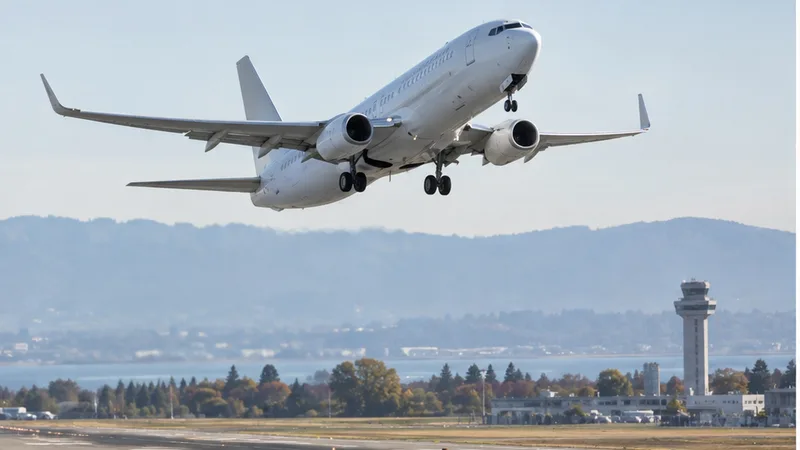
Boeing has informed 737 MAX operators about a software bug in some flight management computers. In a rare configuration, during an aborted approach, vertical navigation VNAV can deactivate. The US aviation authority, the FAA, is examining the case together with Boeing and the airlines.
This is a finding relevant to safety, but not a general failure of the flight controls. According to Boeing, the autopilot remains operational. Pilots can continue the flight without VNAV and are trained for this eventuality. What remains decisive, however, is the fact that the bug can occur at low altitude and in a phase of high workload.
When the bug can occur
The known scenario is very limited. It concerns a missed approach or a go-around after a precision approach with the autopilot engaged. If the crew modifies the pre-programmed flight plan at that moment, a problem in the flight management computer can cause VNAV to deactivate and the system to switch to a less capable automatic control of longitudinal attitude.
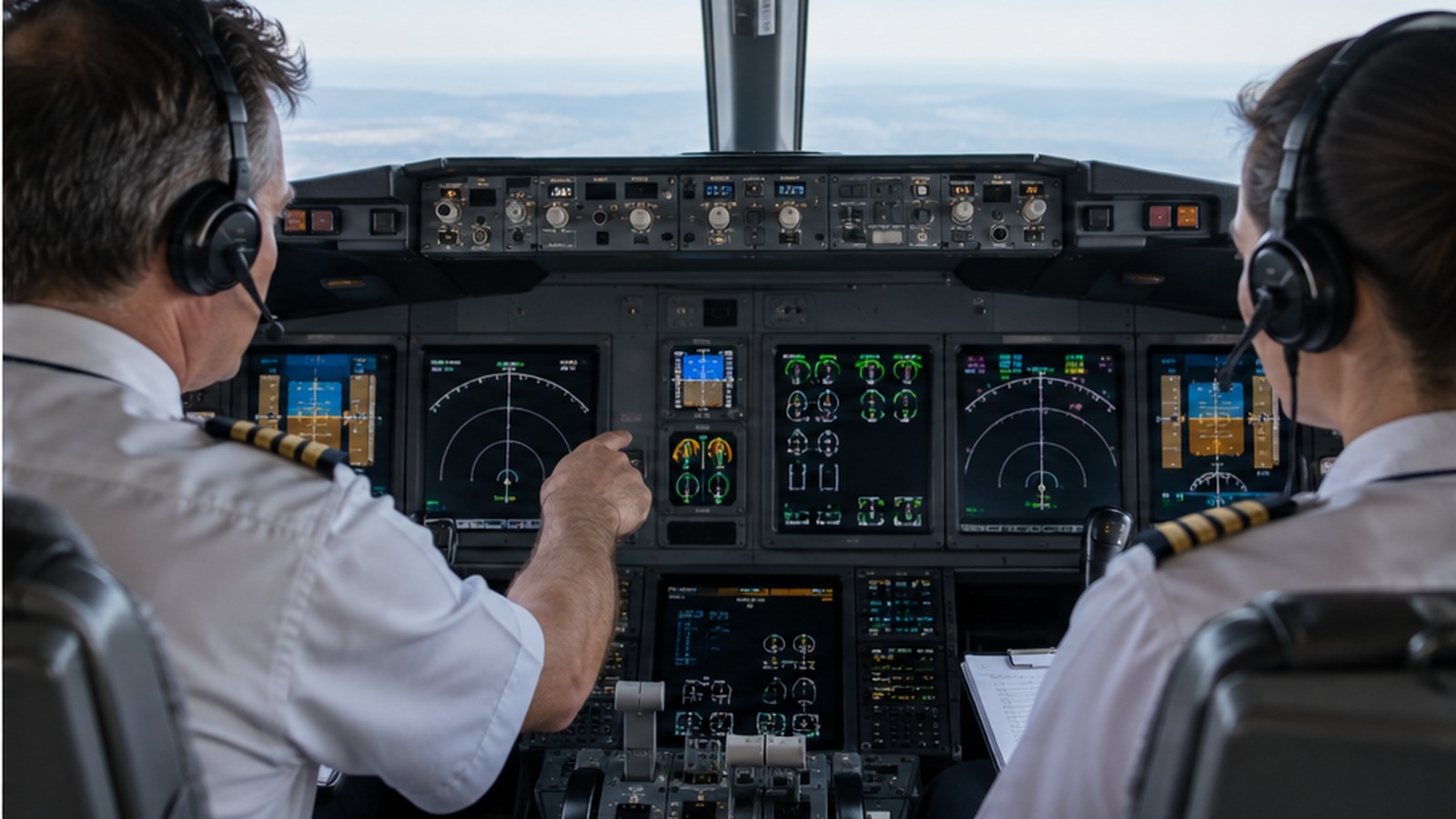
VNAV flies the vertical trajectory on the basis of programmed altitudes and waypoints. If the function fails, the automation does not disappear entirely. The crew must, however, carry out additional steps. It is precisely this additional workload that is at the centre of the review: a rare problem can be relevant to safety if it appears unexpectedly in an already demanding phase of flight.
Boeing cites versions 14 and 14.1 of the operating system of the flight management computers. The manufacturer told CBS News that in August it had informed all 737 operators, confirmed the existing procedures and worked on a lasting software update.
No grounding of existing fleets
There is no flight ban and no general grounding order. Initially, Boeing did not classify the problem as an immediate safety hazard in its note to operators. The FAA has announced that it will convene a Corrective Action Review Board and act immediately if the review should reveal a safety problem.
Alaska Airlines, American Airlines, Southwest and United told CBS News that their MAX fleets currently in service do not use the software in question. These statements apply to the US fleets cited; it cannot be inferred from them that no aircraft worldwide is affected. There is no complete list of operators that is accessible to the public. For Swiss travellers, therefore, the concrete software version matters more than the aircraft type alone.
According to CBS News, Boeing first became aware of the problem in November 2024. In February 2025 the company reached the conclusion that it was not a safety risk. Additional information provided by operators led in 2026 to a formal internal safety review, whose results are now with the FAA. This chronology raises the question of whether the risks were reassessed early enough — but it does not prove any cover-up.
Why airlines are holding back deliveries
Southwest and United say they do not want to take delivery of new aircraft delivered with the software versions in question. For now they prefer an earlier version. This is neither a worldwide suspension of deliveries nor a return of existing aircraft. It is a precautionary measure by some customers for new aircraft.
The affair may nevertheless weigh on Boeing's schedule. The MAX 7, recently certified, was to be delivered to Southwest; for the MAX 10, whose certification is not yet complete, the FAA review could generate additional work. A note to operators initially foresaw updated procedures in November and a definitive fix only in 2028. Boeing says it is working to accelerate both.
The review process will decide
The new bug cannot be placed on the same level as the old MCAS system, which played a central role in two accidents in 2018 and 2019. The only point the two cases have in common is that the software and its integration into pilot training, displays and procedures must be examined carefully.
Three elements will now be decisive for a solid assessment: the FAA's evaluation, a clear timeline for the corrected software and transparency about the version used by each delivered aircraft. Until then, the accurate statement is neither "the MAX is dangerous" nor "the problem is trivial." What is established is a rare VNAV failure, judged manageable, but one that can generate additional workload in a critical phase of flight.


